Cultural
How to build a social life in Spain: clubs, sports and community events
A practical guide to making friends in Spain: clubs, sports teams, volunteering, language exchanges, local fiestas and tips that work for adult newcomers.









Updated: October 2026
Finding a flat and sorting out your NIE are only the start of moving to Spain. Building friendships is what turns a new address into a home, and for many adults it is the hardest part. This guide brings together the main ways to meet people in Spain, from clubs and sports teams to volunteering, language exchanges and local fiestas, with links to our detailed guides on each one.
Why your social life deserves a plan
In Spain, social life is central to daily life, but many friendship groups formed decades ago in school or the neighbourhood. Newcomers rarely get absorbed into them by chance. The people who settle in fastest usually choose a few regular activities and stick with them. A network also brings practical benefits, from tips on bureaucracy to job leads and trusted tradespeople. Read more in why social life matters for expats in Spain.









Six ways to meet people in Spain
1. Join a club or association
Spain has associations for almost everything: neighbourhood associations, peñas, choirs, hiking clubs, photography groups and more. Town halls and cultural centres are the best places to find them. See our guide to joining local clubs and associations.
2. Play a sport
Padel, football, running, cycling and hiking clubs welcome all levels, and municipal sports centres (polideportivos) offer affordable classes. Training together every week builds friendships quickly. Read joining a sports team in Spain.
3. Volunteer
Food banks, animal shelters, environmental groups and social organisations all need help, and volunteering puts you side by side with local people. Our guide to volunteering in Spain explains how to find a role.
4. Go to community events and fiestas
Patron saint fiestas, ferias, markets and open-air concerts are open to everyone. Go regularly and people will start to recognise you. See community events and festivals for expats.








5. Try a language exchange
Language exchanges (intercambios) bring together Spanish speakers who want to practise another language and foreigners learning Spanish, usually in a bar or café. They are relaxed, cheap and full of people who actively want to meet newcomers. Look on Meetup, at language schools and in local social media groups.
6. Use online communities wisely
Facebook groups, WhatsApp groups and forums for your town are useful for questions and event tips, and can help you make a first contact before you arrive. Use them as a bridge to meeting people in person rather than a replacement. Remote workers can also try coworking spaces; see our guide to Málaga for digital nomads for an example.
Tips for making friends as an adult
- Be consistent: one activity every week for months works better than many one-off events.
- Take the first step: suggest a coffee, a walk or a caña after the activity. Spaniards are often happy to accept, even if they would not think to ask first.
- Say yes: accept invitations, even last-minute ones. Spontaneous plans are common.
- Mix circles: other expats understand what you are going through, while Spanish friends open the door to local life. You need both.
- Learn the language: even basic Spanish changes how people respond to you.
Food, meals and social customs
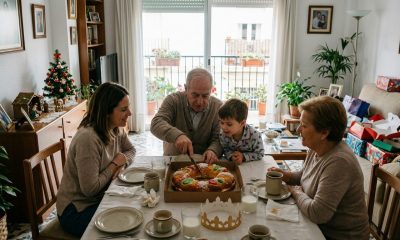
Much of Spanish social life revolves around food: tapas with friends, long weekend lunches and the sobremesa, the conversation that continues at the table after the meal. If you are invited to someone’s home, bringing a small gift such as wine, pastries or flowers is appreciated. Expect later meal times than you may be used to, with lunch often after 2 pm and dinner after 9 pm. Our article on unexpected cultural differences in Spain covers more customs.
Common challenges
- Language barrier: start in bilingual settings and move to Spanish-speaking groups as you improve.
- Homesickness and loneliness: very common in the first year. Keep a routine, stay in touch with home and ask for help if it does not lift. See our guide to mental health support for expats.
- Patience: deep friendships take time everywhere. Give each activity a few months before you judge it.
Useful links
- Meetup – language exchanges, hiking and social groups in Spanish cities
- Spain.info events calendar – festivals and events across Spain
- Hacesfalta.org – volunteering opportunities by province
- Spanish festivals for expats
FAQ: building a social life in Spain
What is the quickest way to meet people in Spain?
Join a weekly group activity, such as a sports team, a choir or a language exchange, and go every week. Regular contact with the same people works faster than one-off events.
How does a language exchange work?
People meet, usually in a bar or café, and split their time between two languages so everyone gets to practise. Most are free or ask you to buy a drink.
Is it hard to make Spanish friends?
It can take time because many Spaniards have long-standing friendship groups, but once you are included, friendships tend to be warm and loyal. Shared activities are the best way in.
What should I bring if I am invited to a Spanish home?
A small gift such as a bottle of wine, pastries or flowers is a nice gesture.
What if I still feel lonely after months?
Talk to your GP or a psychologist, and look at our mental health guide for English-speaking support. In a crisis you can call Spain’s 024 helpline at any time.
Disclaimer: This article is general information only. Clubs, events and services change over time – always check with the organiser or official source before you go.