Cultural
Why social life matters for expats in Spain
Friends and local contacts make life in Spain easier, healthier and more practical. Why a social network matters for expats and how to start building one.









Updated: October 2026
Most people plan a move to Spain around housing, paperwork and work. Far fewer plan how they will make friends, yet that is often what decides whether the move feels like a success. This article is for new and soon-to-be expats. It explains why a social life matters so much in Spain, what it gives you in practical terms, the common obstacles and the first steps to building your own network.
Why Spain is a social country
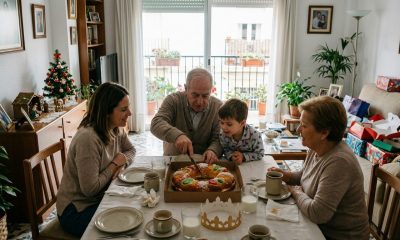
Daily life in Spain is lived in company. People meet in bars for breakfast, spend long lunches together on Sundays, stroll in the evening and fill the plazas at night. Families and old school friends stay close, and much information travels by word of mouth rather than through official websites. If you are not part of these circles, it is easy to feel like an observer. Once you are, the country opens up.









What a social network gives you
Wellbeing
Moving abroad means leaving behind family, friends and routines. Feeling lonely or low in the first year is very common, and having people to talk to, laugh with and call on in a crisis makes a real difference to how you cope.
Practical help
- Bureaucracy: friends who have been through the NIE, padrón or residency process can tell you which office to go to and which documents to bring.
- Trusted contacts: recommendations for a doctor, gestor, plumber or school are often more reliable than online reviews.
- Housing and jobs: many flats and jobs in Spain are filled through personal contacts before they are ever advertised.
- Emergencies: someone who can collect your children, feed your pet or come with you to hospital.
Language and culture
Regular conversations with Spanish speakers do more for your Spanish than any app. Local friends also explain the unwritten rules, from greetings and meal times to how to behave at a wedding or funeral, which helps you avoid awkward moments.
Common obstacles and how to handle them
- Closed friendship groups: Spanish adults often socialise with friends they have known for decades. Joining shared activities, rather than waiting for invitations, is the way in.
- The language barrier: start with bilingual settings such as language exchanges, then move into Spanish-speaking groups as your confidence grows.
- The expat bubble: other foreigners are a great support at first, but if all your friends are expats you miss much of what Spain offers. Aim for a mix.
- Working remotely: without colleagues, days can pass without real conversation. Coworking spaces and fixed weekly activities help.
- Different rhythms: late dinners and spontaneous plans can feel tiring at first. You do not have to adopt everything, but saying yes more often pays off.
First steps to building your network
- Pick one weekly activity and stick with it for at least two months, such as a sports team, choir or language class.
- Become a regular at a local café, bar or market stall. Being recognised is the first step to being included.
- Join a language exchange to meet Spaniards who want to meet foreigners.
- Volunteer for a cause you care about.
- Go to local events and fiestas, and go back each year.
- Follow up: when you meet someone you like, suggest a coffee or a walk within a week.
Our hub guide on how to build a social life in Spain covers each of these in more detail, with separate guides on clubs and associations and volunteering.
When loneliness becomes more than a phase
If low mood, anxiety or isolation last for weeks and start to affect your sleep, work or relationships, talk to your GP at the health centre or a psychologist. Our guide to mental health support for expats in Spain lists options, including English-speaking help. If you are in crisis or thinking about suicide, call 024, Spain’s free, confidential 24-hour helpline, or 112 in an emergency.








Useful links
- Meetup – language exchanges and social groups in Spanish cities
- Spain.info events calendar – festivals and events across Spain
- Mental health support for expats in Spain
- How to build a social life in Spain
FAQ: social life for expats
Is it normal to feel lonely after moving to Spain?
Yes, very. Many expats feel isolated in the first months. It usually improves once you have a regular activity and a few people you see every week.
How long does it take to make real friends?
It varies, but think in months rather than weeks. Seeing the same people regularly through a club, team or class speeds it up considerably.
Can I build a social life without speaking Spanish?
You can start one in English through international groups and language exchanges, but learning Spanish widens your circle and helps you feel part of local life.
I am an introvert. Where should I start?
Choose small, structured activities with a shared task, such as a walking group, a workshop or volunteering. They make conversation easier than parties or large events.
Disclaimer: This article is general information only and is not medical advice. If you are struggling with your mental health, contact a health professional, call 024 or, in an emergency, 112.