




















































Healthcare
Healthcare in Spain for foreign residents in 2026: how to get access


Updated: October 2026
Spain has one of the best public health systems in Europe – but as a foreign resident you only get access once you are registered in the right way. How you qualify depends on whether you work, receive a pension or live on your own income. Here is how it works in 2026, step by step.
Who can use the public health system?
- Employees and self-employed (autónomos): you are covered through your social security contributions, and so are your registered family members.
- EU pensioners: register your S1 form from your home country with the Spanish social security (INSS). Your home country then pays for your care in Spain.
- Residents without work or S1: you can join the public system by paying a monthly fee through the convenio especial – after at least one year of registration on the padrón. The national fee is around €60 per month under 65 and €157 from 65, and some regions run their own schemes.
- Visitors and new arrivals: EU citizens on a short stay can use their European Health Insurance Card (EHIC). Others need travel or private insurance.
How to register – step by step
- Get your NIE and padrón – you need both for almost everything. See how to get your NIE.
- Get your social security number – your employer usually arranges it, or you apply yourself at the social security office.
- Apply for recognition of your right to healthcare at the INSS (online or by appointment), with your S1 form if you are a pensioner.
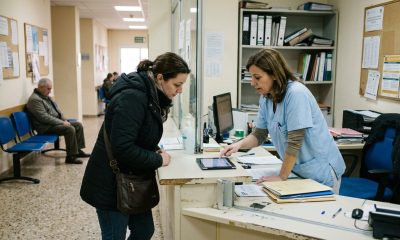
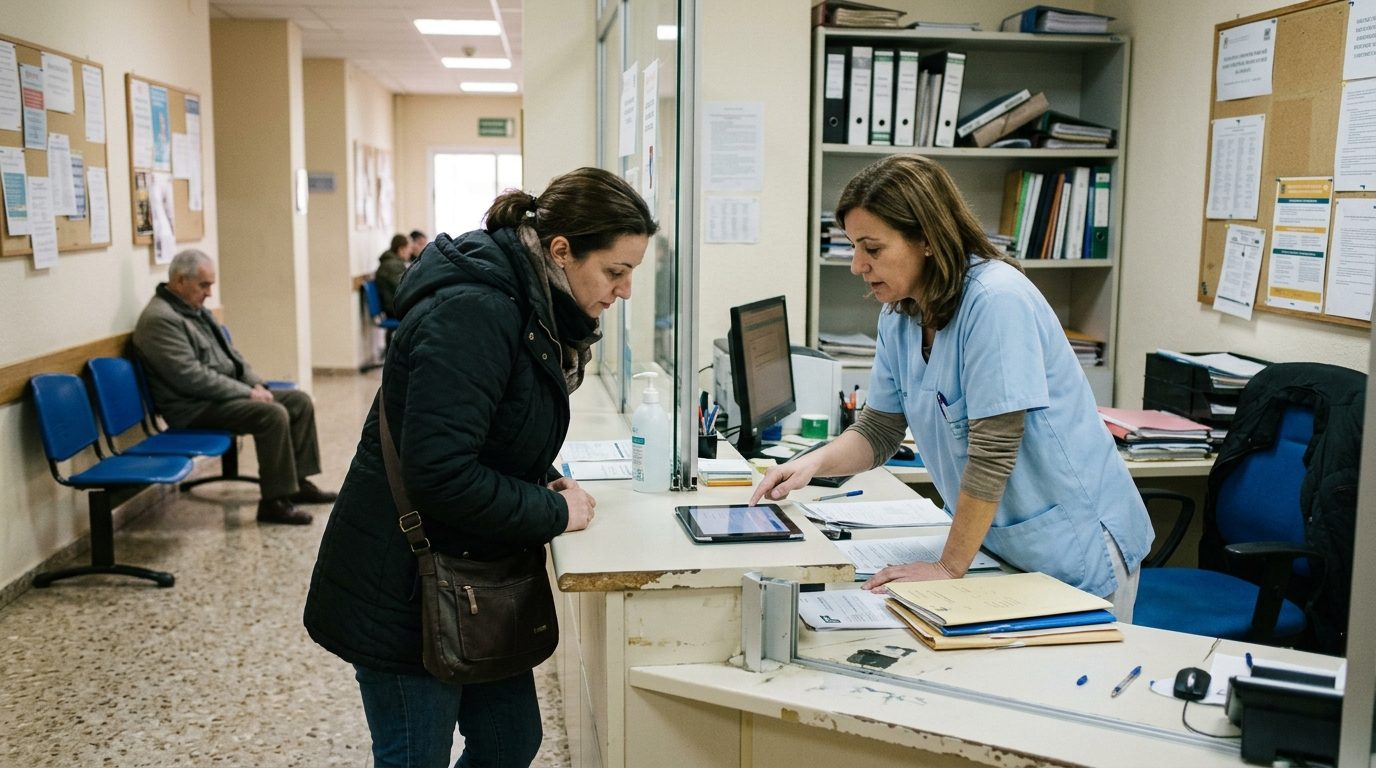
- Register at your local health centre (centro de salud) with your passport, NIE, padrón and INSS document. You will be given a family doctor.
- Receive your health card (tarjeta sanitaria individual) by post or at the health centre. Download your region’s health app to book appointments.
Public or private health insurance?
- Public: free at the point of use (prescriptions have a co-payment based on income). Waiting lists for specialists can be long.
- Private: faster access to specialists and English-speaking doctors. Many expats combine both. Policies typically cost €50–150 per month per adult, depending on age and cover.
- For visas: non-lucrative, digital nomad and student visas require private insurance with full cover and no co-payments (sin copagos) unless you are covered by social security.
Emergencies
Call 112 for any emergency – operators often speak English. Public hospital emergency departments (urgencias) treat everyone; if you are not covered, you may receive a bill afterwards.
FAQ: healthcare in Spain
Is healthcare free in Spain for foreigners?
It is free at the point of use if you are covered through work, an S1 form or the convenio especial. Otherwise you need private insurance.
Can I keep using my EHIC card when I live in Spain?
No. The EHIC is for temporary stays. Once you live in Spain you must register in the Spanish system or have private insurance.
How do I find an English-speaking doctor?
In tourist areas many public and private doctors speak English. Private insurers list English-speaking doctors in their apps.
Do I pay for medicines?
Yes, a share. Working-age patients pay 40–60% depending on income, and pensioners usually pay 10% with a monthly cap.
Useful links
- Spanish social security (INSS)
- Official directory of public health centres
- Mental health support for expats
Disclaimer: This article is general information only. Rules and fees differ between regions and can change – always check with the INSS or your regional health service.




Updated: October 2026
Moving to a new country can be exciting, but it also brings challenges that can affect your mental health. Many expats in Spain experience periods of loneliness, stress, or anxiety—especially during the first months. The good news is that Spain offers a growing range of mental health resources, both public and private, and there are many ways to get support as a foreigner. Here’s what you need to know about looking after your mental well-being in Spain.
Common mental health challenges for expats
- Loneliness and homesickness
- Culture shock and language barriers
- Stress from bureaucracy or job searches
- Relationship and family pressures
- Adjustment to new routines and environments
Where to find help in Spain
- Public health system: You can access a psychologist or psychiatrist through your local health center (centro de salud), though waiting times can be long.
- Private therapists: Many English-speaking psychologists work in major cities. Try menteAmente in Madrid or Therapy in Barcelona.
- Online therapy: Platforms like BetterHelp and Talkspace offer sessions in English and other languages.
- Support groups: Many expat communities run peer support groups, both in person and online (check Facebook or Meetup).
- Emergency help: For urgent mental health support, call 112 or visit the nearest hospital’s emergency department.
Tips for protecting your mental health as an expat
- Stay connected with friends and family back home.
- Join clubs, sports, or volunteering to build a local network.
- Learn Spanish—it helps you feel more in control and less isolated.
- Maintain healthy routines: eat well, sleep enough, and exercise.
- Don’t hesitate to seek professional help—mental health is just as important as physical health.
Useful links
- English-speaking psychiatrists and psychologists in Madrid (menteAmente)
- Therapy in Barcelona
- Spanish public health centers (official directory)
- BetterHelp – online therapy
- Talkspace – online therapy
FAQ: expat mental health in Spain
Can I see an English-speaking therapist in Spain?
Yes, especially in larger cities and online. Check the links above for options.
Is mental health care free in Spain?
Public health care covers basic mental health services, but waiting times can be long. Private care is faster but paid.
How do I find expat support groups?
Search Facebook or Meetup, or ask at international schools and expat centers.
What should I do in a mental health emergency?
Call 112 or go to the nearest hospital emergency department.
Are there therapists who speak other languages?
Yes, many private therapists offer sessions in English, French, German and other languages.
How can I reduce loneliness as an expat?
Get involved in local activities, join clubs and keep in touch with loved ones.
Can I use online therapy from Spain?
Yes – services like BetterHelp and Talkspace are available to residents in Spain.
How do I get a referral for public mental health care?
Visit your local health center (centro de salud) and ask your GP for a referral.
What if I don’t speak Spanish well?
Look for English-speaking professionals, or bring a friend to help with translation.
Disclaimer: This article is for informational purposes only. Always contact a professional for specific mental health advice.


In Spain, eye operations, including those for cataracts, are widely available and are performed using advanced techniques and technology.
Here’s a detailed guide on how the process works, especially for foreigners, focusing on cataract surgeries such as the Grey and Green cataract surgeries.
Understanding Cataract Surgery in Spain
Cataract surgery is a common procedure to remove the clouded lens of the eye (cataract) and replace it with an artificial lens to restore clear vision.
In Spain, these surgeries are typically categorized by different procedures, including traditional methods and laser-assisted techniques.
Public Healthcare System
Access to Surgery
Eligibility:
As a resident in Spain, you can access public healthcare services, including cataract surgery, through the National Health System (Sistema Nacional de Salud).
European Union citizens can use their European Health Insurance Card (EHIC) to receive treatment under the same conditions as Spanish citizens.
Non-EU citizens typically need to have private health insurance or be part of a bilateral health agreement to access public healthcare services.
Referral Process:
To get cataract surgery through the public healthcare system, you must first visit a general practitioner (GP) who will refer you to an ophthalmologist.
The ophthalmologist will conduct a thorough eye examination and determine the necessity of cataract surgery.
Waiting Times:
There might be waiting lists for cataract surgery in the public system, depending on the urgency of your case and the region where you live.
Emergency cases are prioritized, but routine surgeries might have longer wait times.
Cost:
Cataract surgery is generally covered by the public healthcare system, so there is no direct cost to the patient if you are eligible for public healthcare services.
Private Healthcare System
Access to Surgery
Finding a Specialist:
Private hospitals and clinics offer cataract surgery with shorter waiting times and access to advanced technology, such as laser-assisted surgery.
Many private clinics have English-speaking staff and cater to expatriates.
Consultation and Surgery:
You can directly schedule a consultation with an ophthalmologist in a private clinic without needing a referral from a GP.
The ophthalmologist will assess your condition and recommend the appropriate type of cataract surgery (e.g., phacoemulsification, laser-assisted).
Cost:
The cost of cataract surgery in private clinics varies depending on the type of surgery and the clinic’s location.
It can range from €1,500 to €3,000 per eye.
Some private health insurance plans cover cataract surgery, so it’s important to check with your insurer about coverage details.
Buying Eye Products and Medications
Post-surgery medications and eye drops can be purchased at pharmacies, usually with a prescription from your ophthalmologist.
Over-the-counter eye care products are also widely available.
Practical Tips for Foreigners
Health Insurance:
Ensure you have comprehensive health insurance that covers ophthalmological procedures. This is particularly important if you are a non-EU citizen.
Check if your insurance plan includes coverage for cataract surgery and related treatments.
Documentation:
Carry all relevant medical documents, including prescriptions and previous eye health records, when consulting with an ophthalmologist.
If you have a foreign prescription, it’s advisable to consult with a Spanish doctor to obtain a local prescription for any necessary medications.
Language:
Seek out clinics and doctors who speak your language, especially if you are not fluent in Spanish.
Many private clinics in urban areas and popular expatriate destinations offer multilingual services.
Emergency Situations:
In case of an eye emergency, public hospitals provide urgent care.
For less urgent but immediate concerns, private clinics might offer quicker service.
Cataract Surgery Options
Grey (Gris )Cataract Surgery:
Typically refers to traditional cataract surgery methods, such as phacoemulsification.
Involves making a small incision in the eye, breaking up the cloudy lens, and replacing it with an artificial intraocular lens (IOL).
Green (Verde) Cataract Surgery:
Often refers to advanced, laser-assisted cataract surgery.
Uses laser technology to make precise incisions and break up the cataract, potentially resulting in quicker recovery times and improved outcomes.
Summary
Understanding how the system works for eye operations like cataract surgery in Spain, whether through public or private healthcare, is crucial for ensuring you receive the appropriate care.
As a foreigner, having the right documentation, insurance coverage, and language support can make the process smoother and more efficient.
If you need specific recommendations or further assistance, feel free to ask!
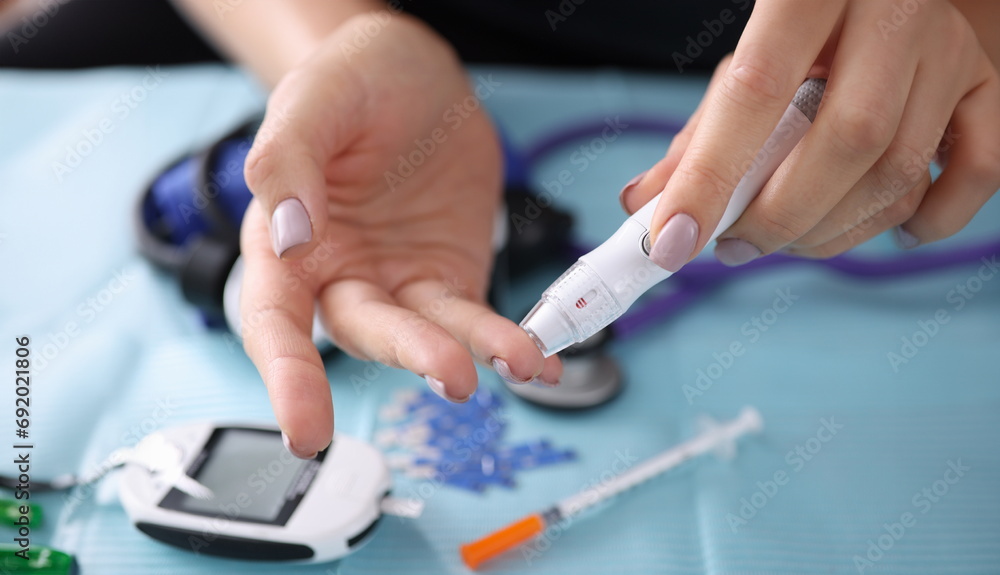
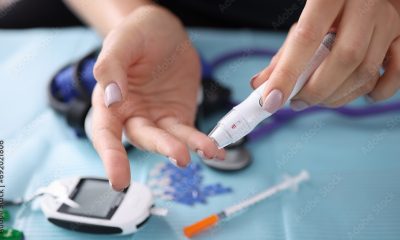
Spain offers comprehensive healthcare services for individuals with diabetes, including both Type 1 and Type 2 diabetes.
Here’s an overview of how the system works for diabetics in Spain, especially as a foreigner, and the availability of diabetic products.
Public Healthcare System
Primary Care:
Diabetic care usually begins at the primary care level with a general practitioner (GP) who can diagnose and manage diabetes.
The GP can refer patients to specialists such as endocrinologists for more advanced care.
Specialized Care:
Endocrinologists provide specialized care for diabetics, including advanced treatment plans, monitoring, and management of complications.
Public hospitals and clinics offer services such as blood sugar monitoring, HbA1c tests, retinal exams, and foot care.
Medication and Supplies:
Insulin and other diabetic medications are available through the public healthcare system, often at reduced costs or free of charge for those with a medical card (Tarjeta Sanitaria).
Blood glucose meters, test strips, and other diabetic supplies can also be obtained, though there may be some co-payments.
Education and Support:
Diabetes education programs are available to help patients manage their condition effectively.
Dietitians and nutritionists provide guidance on diet and lifestyle changes.
Private Healthcare System
Private healthcare in Spain offers more flexibility and shorter waiting times.
Private insurance can cover the cost of consultations with specialists, medications, and diabetic supplies.
Many private clinics have English-speaking staff, making it easier for foreigners.
Accessing Diabetic Care as a Foreigner
European Union Citizens:
EU citizens can use their European Health Insurance Card (EHIC) to access public healthcare services, including diabetic care, under the same conditions as Spanish citizens.
Non-EU Citizens:
Non-EU citizens typically need private health insurance to cover medical costs.
Some bilateral agreements may exist between Spain and certain countries, providing some level of healthcare access.
Buying Diabetic Products at Pharmacies
Without a Spanish Prescription:
Diabetic supplies such as blood glucose meters, test strips, and lancets can be purchased over-the-counter at pharmacies without a prescription.
Insulin and other prescription medications require a prescription, which generally needs to be from a Spanish doctor.
With a Foreign Prescription:
Some pharmacies might accept prescriptions from other countries, especially within the EU, but this is not guaranteed.
It’s advisable to have a Spanish prescription to ensure you can obtain the necessary medications without issues.
Practical Tips for Diabetics in Spain
Finding a Doctor:
Look for a GP or endocrinologist who speaks your language or has experience with expatriates.
Many private clinics in larger cities and tourist areas have multilingual staff.
Health Insurance:
Ensure you have adequate health insurance that covers chronic conditions like diabetes.
Check if your insurance plan covers diabetic medications and supplies.
Carrying Documentation:
Always carry important medical documentation, such as a letter from your doctor detailing your condition, current medications, and treatment plan.
This can be useful in emergencies or when visiting a new healthcare provider.
Regular Monitoring:
Keep up with regular monitoring of your blood sugar levels and other health indicators.
Schedule regular check-ups with your healthcare provider to manage your condition effectively.
Emergency Situations:
In case of a medical emergency, call 112, the emergency number in Spain.
Public hospitals provide emergency care, but for non-emergent issues, visiting a private clinic might be quicker.
Understanding these aspects will help you navigate diabetic care in Spain efficiently as a foreigner.
If you have any specific questions or need further assistance, feel free to ask!

Tvmate Pro app & Streambox 4K media box for expats in Spain

The Spanish job market in 2026: sectors with the most opportunities for expats

Mental health support for expats in Spain: resources & tips

Understanding the tax system in Spain

Marbella guide: beaches, Puerto Banús and the old town

Andalucía: history, culture and places to visit
-

 Banking & Finances2 years ago
Understanding the tax system in Spain
-
Tourist Info2 years ago
Marbella guide: beaches, Puerto Banús and the old town
-
Tourist Info2 years ago
Andalucía: history, culture and places to visit
-
Legal Requirements & Documentation2 years ago
How to get your Spanish NIE number in 2026 – step by step
-
Safety & Emergency2 years ago
Terrorism threat level and safety in Spain
-
Legal Requirements & Documentation2 years ago
Residency in Spain 2026: how to become a legal resident – step by step
-
Employment2 years ago
Living on a small salary in Spain
-
Legal Requirements & Documentation2 years ago
Work visa and work permit in Spain 2026 – which one you need and how to apply