





















































Cultural
International Feria de los Pueblos in Fuengirola: a celebration of cultures and community

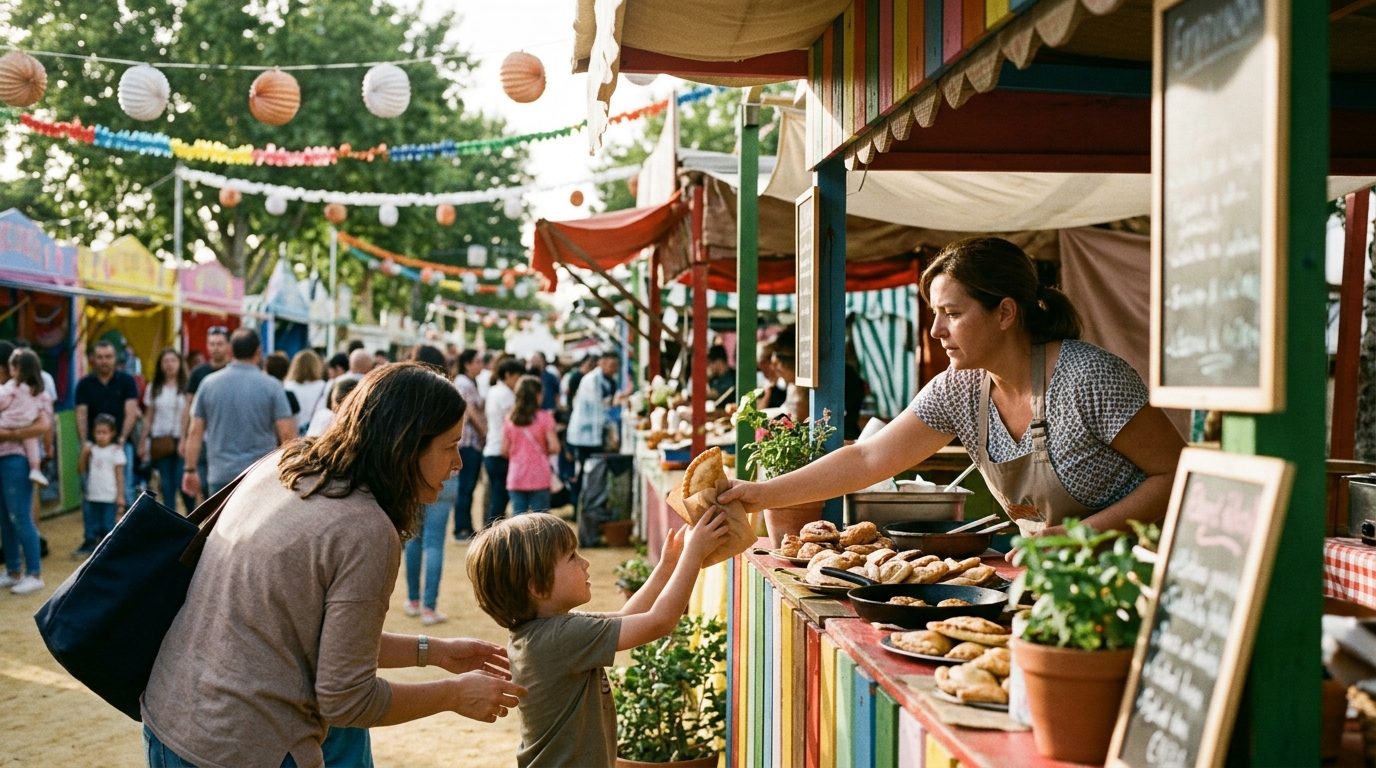

International Feria de los Pueblos in Fuengirola
Updated: October 2026
Every spring, Fuengirola on the Costa del Sol transforms into one of Spain’s most vibrant showcases of international culture. The International Feria Fuengirola—also known as Feria de los Países—brings together more than 30 countries for five unforgettable days of music, food, dance, and friendship. Every year, the fairground welcomes tens of thousands of visitors, expats and locals alike, for a true celebration of diversity, unity, and joy.
A festival for everyone
The Feria is much more than just an event—it’s a living symbol of how people from all over the world can come together in Spain and create something unique. With more than 30 national pavilions, you can stroll from Spanish flamenco to Argentinian tango, from Finnish sauna culture to Peruvian ceviche, all in a single afternoon. The atmosphere is pure happiness: families, friends, and strangers laughing, dancing, and sharing experiences with almost no trouble or conflict—just five fantastic days of community spirit.
Highlights from around the world
Each country’s stand is a mini-embassy of culture. Spain’s own pavilion is always a crowd-pleaser, with regional food, live flamenco, and artisan crafts. The Argentinian stand draws crowds for its sizzling steaks and passionate tango shows, while Chile’s booth offers pisco sours and lively cueca dancing. Germany’s beer garden is a social hub, with bratwurst and folk music, while the UK and Ireland stands serve up fish & chips, Guinness, and live rock bands. Peru’s pavilion is a must for foodies, with ceviche and pisco cocktails, and Finland surprises many with smoked salmon, reindeer snacks, and even a pop-up sauna.
Beyond food and drink, each stand hosts cultural performances—traditional dances, live concerts, costume parades, and workshops for kids and adults. It’s not just about watching; visitors are encouraged to join in, try a dance, sample a dish, or learn a few words in a new language.
Family-friendly fun
The Feria is designed for all ages. There are children’s workshops, face painting, international games, and plenty of open space to run and play. Many families make a day of it, sampling treats from different countries and enjoying the colorful parades that wind through the fairground each afternoon.
Peaceful, positive atmosphere
What makes the International Feria Fuengirola truly special is its peaceful, inclusive vibe. Despite the crowds and the many different languages and cultures represented, there’s virtually no trouble—just people enjoying life together. It’s a powerful example of how multicultural Spain really is, and how expats and locals can celebrate side by side.
Practical tips for visiting
- Dates: usually five days around 1 May – check the official website for next year’s dates. The fair is held annually, usually around the same dates.
- Location: Fuengirola Fairground (official site), easily reached by train, bus, or car.
- Admission: Entry is free. Food, drinks, and some activities are paid per item.
- Opening hours: Stands typically open from midday to late evening.
- Family tips: Arrive early for easier parking and less crowded stands. Bring cash for food and souvenirs.
- Accessibility: The fairground is flat and accessible to wheelchairs and strollers.
- What to bring: Comfortable shoes, sunscreen, and an open mind!
Useful links
- Official Feria website
- Sur in English – Feria news
- YouTube: Feria de los Pueblos 2024 walking tour
- MamaMalaga – Feria review
Gallery: authentic moments from International Feria Fuengirola

FAQ: International Feria Fuengirola
When is the Feria held?
Usually in early May. The feria is usually held for five days around 1 May. Check the official website for next year’s dates.
Is the Feria suitable for children?
Yes, there are activities, workshops, and plenty of space for families.
How much does it cost to enter?
Entry to the fairground is free. Food, drinks, and some activities are paid per item.
Can I buy tickets in advance?
No ticket needed for entry, but some shows or tastings may require advance booking.
Are pets allowed?
Pets are generally not allowed due to crowds and noise, but check official info for exceptions.
How do I get there?
The fairground is in central Fuengirola, close to the train station and with good parking options.
Can I volunteer or participate as a performer?
Contact the organizers via the official site for info on participation.
Is the event accessible for people with disabilities?
Yes, the fairground is flat and accessible for wheelchairs and strollers.
Which countries are represented?
Over 30 countries, including Spain, Argentina, Chile, Germany, UK, Ireland, Peru, Finland, and many more.
Where can I find more photos and videos?
Visit the official Feria gallery or search “Feria de los Países Fuengirola” on YouTube and Instagram.
Disclaimer: This article is for informational purposes only. All photos and screenshots are credited to their original creators. Please contact us if you would like your images featured or credited.
Updated: October 2026
Spain is world-famous for its vibrant festivals – from wild street parties to solemn processions and everything in between. For expats, joining in these celebrations is one of the best ways to experience Spanish culture, meet locals, and make lifelong memories. Here’s your guide to the most popular Spanish festivals in 2026, plus tips on how foreigners can join the fun.
Why festivals matter in Spain
Festivals (fiestas) are at the heart of Spanish life. Each town, city, and region has its own unique celebrations, often rooted in history, religion, or local traditions. These events bring communities together, break down barriers, and create unforgettable experiences for everyone – locals and newcomers alike.
Top Spanish festivals in 2026
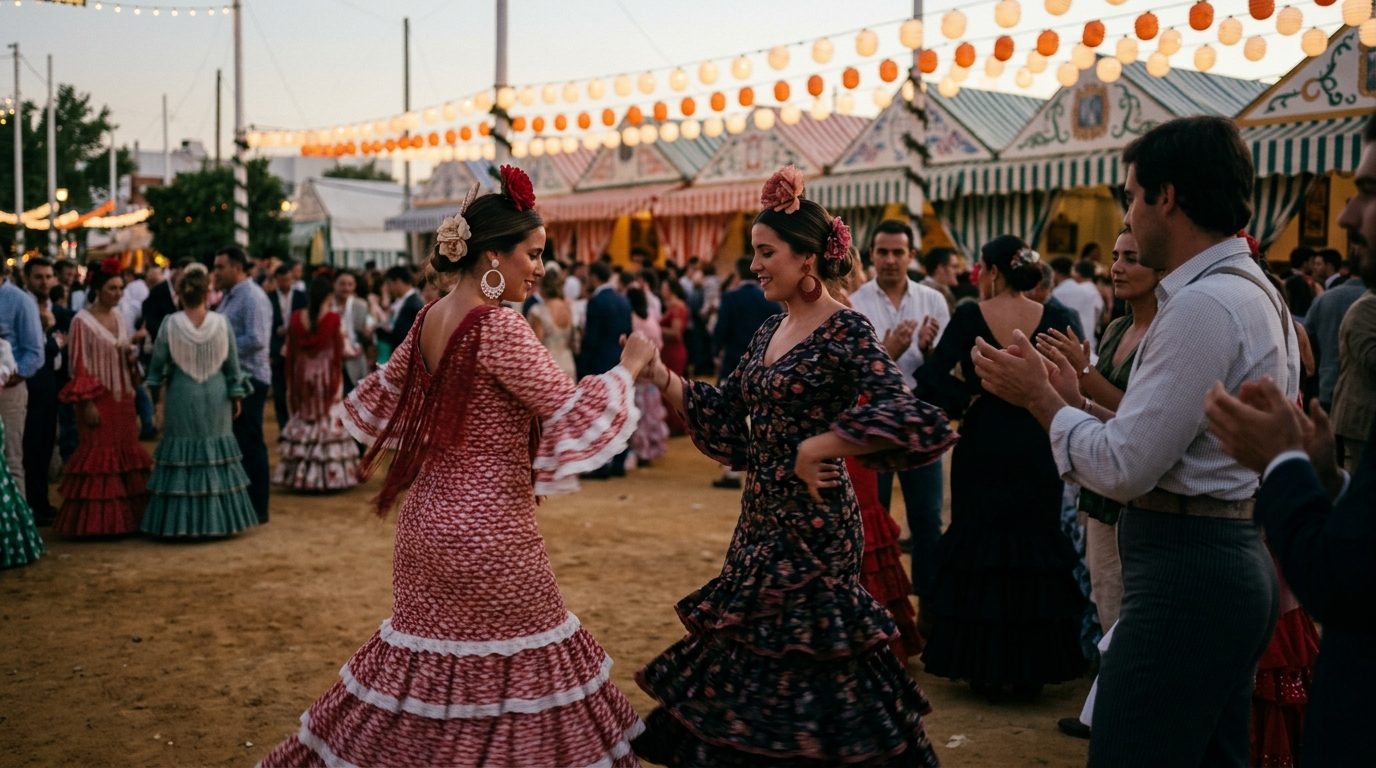
- La Feria de Abril (Seville): A week of flamenco, horses, and casetas. Join in by renting a traditional costume and dancing until dawn.
- San Fermín (Pamplona): Famous for the running of the bulls. Expats can watch safely from balconies or join the parades and concerts.
- La Tomatina (Buñol): The world’s biggest tomato fight! Tickets are required – book early – they sell out fast.
- Las Fallas (Valencia): Giant sculptures, fireworks, and street parties. Volunteer to help build a falla or join a local group.
- Semana Santa (nationwide): Dramatic Easter processions in cities like Málaga, Seville, and Granada. Respectful participation is welcome.
- Feria de los Países (Fuengirola): Celebrate global cultures with food, music, and dance – perfect for expats!
- Fiesta de San Juan (coastal towns): Bonfires and beach parties on the shortest night of the year. Bring friends and jump the flames for luck.
How expats can join in
- Check your local town hall or tourist office for festival dates and activities.
- Look for expat groups or language exchanges organizing group visits.
- Volunteer for setup or events – many festivals welcome extra hands.
- Respect local customs and dress codes, especially for religious events.
- Bring cash, comfortable shoes, and a sense of adventure!
Useful links
FAQ
Can foreigners participate in local festivals?
Yes! Most festivals are open to everyone, and locals love to welcome newcomers.
Do I need to buy tickets for festivals?
Some events are free, but big ones like La Tomatina require advance tickets.
What should I wear to a Spanish festival?
Dress comfortably, but check if traditional clothing is encouraged or required.
Are festivals family-friendly?
Most are, but some (like San Fermín) can be very crowded or wild.
How can I find out about festivals in my area?
Check your town hall’s website, local Facebook groups, or Spain.info.
Can I volunteer at festivals?
Yes, many festivals welcome volunteers for setup, parades, or food stalls.
Is it safe to join big festivals?
Generally yes, but always follow local advice and keep an eye on your belongings.
Do I need to speak Spanish to enjoy festivals?
Not necessarily, but learning a few phrases helps you join in.
Are there festivals all year round?
Yes, there’s something happening every month somewhere in Spain.
Where can I see photos and videos from festivals?
Search YouTube, Instagram, or Spain.info for galleries and highlights.
Disclaimer: This article is for informational purposes only. Always check official sources for dates and details before attending.
Cultural
Volunteering in Spain: how expats can get involved in their local community
Where expats can volunteer in Spain, how to find a role, what the volunteering law requires and how to make the most of it for language and friendships.
Updated: October 2026
Volunteering is one of the quickest ways to stop feeling like a visitor and start feeling part of a Spanish town. This guide is for newcomers who want to give some time each week or month, whether you are retired, working remotely or between jobs. You will find the main types of volunteering, where to look for roles, what Spanish volunteering law means for you and practical tips for getting started.
Why volunteering works so well for expats
Volunteering puts you side by side with local people on a shared task, which makes conversation easy even when your Spanish is basic. You learn everyday vocabulary, see how local institutions work and meet people you would rarely cross paths with in expat circles. Regular shifts also give your week a structure, which helps a lot in the first months after a move.
- Language practice: real conversations rather than classroom phrases
- Friendships: a ready-made group of people who share your values
- Local knowledge: tips on everything from doctors to the best market stalls
- Experience: a Spanish reference or certificate that can help when job hunting
Types of volunteering you can do
Social support
Large organisations such as Cruz Roja (the Spanish Red Cross), Cáritas and many local associations run programmes for older people living alone, migrants and refugees, people experiencing homelessness and children who need help with homework. Native English speakers are often welcome for language support activities.
Food banks
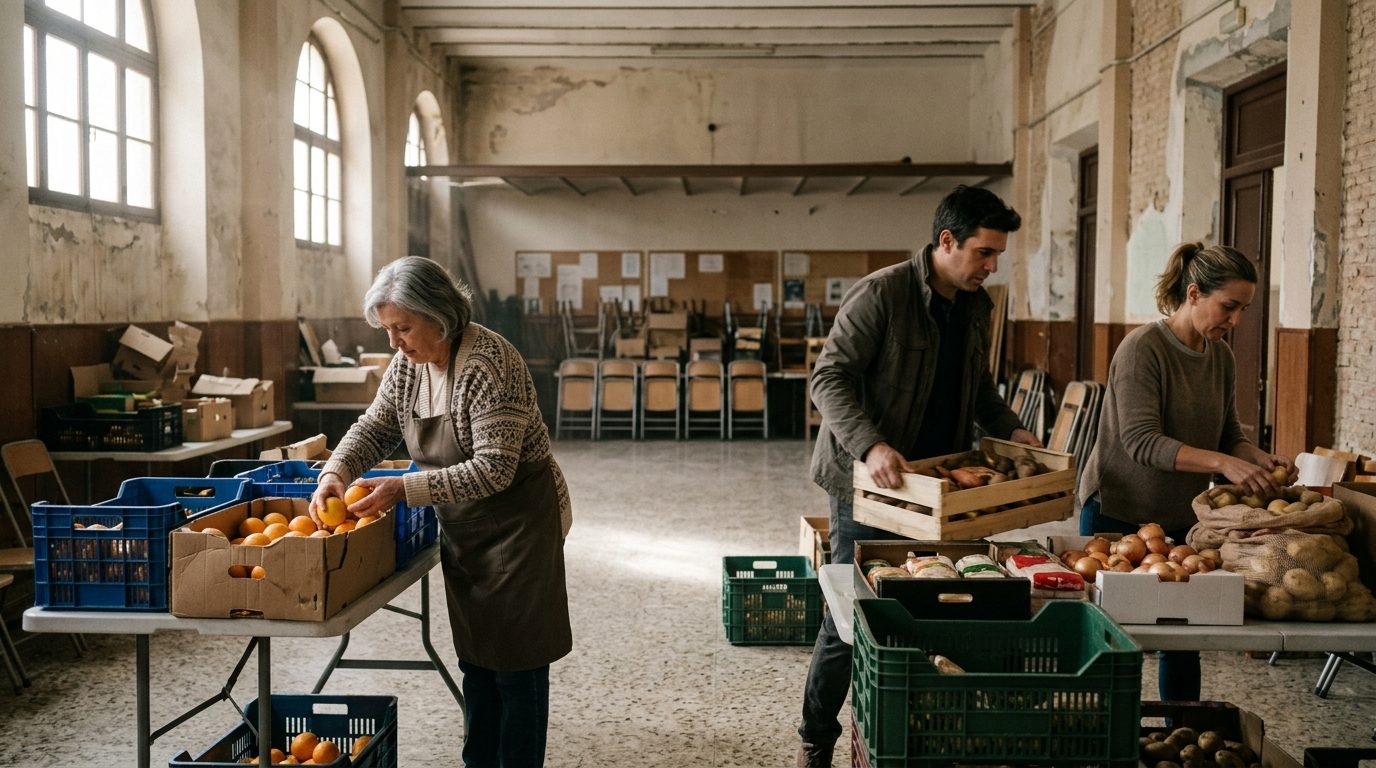
Each province has a food bank (banco de alimentos) that needs volunteers in its warehouse and during big supermarket collection campaigns, usually in late autumn. Shifts are flexible and little Spanish is needed to sort and pack food.
Environment and nature
Beach and river clean-ups, tree planting, bird counts and campaigns run by groups such as Ecologistas en Acción take place across the country, often at weekends. They are a relaxed way to try volunteering for a day.
Animal welfare
Animal shelters (protectoras) rely on volunteers for dog walking, cleaning, fundraising and fostering. Search for “protectora de animales” plus your town to find the nearest ones.
Culture, sport and events
Town halls, marathons, film festivals and local fiestas recruit volunteers for information points, registration desks and logistics. These one-off roles are a good way to meet many people quickly.
How to find a volunteering role
- Search national portals such as hacesfalta.org, where you can filter opportunities by province and type of activity.
- Ask your town hall. Many ayuntamientos have a volunteering office or a list of registered associations, often under the social services or citizen participation department.
- Contact organisations directly. Most have a “hazte voluntario” form on their website and hold short information sessions for new volunteers.
- Use local networks. Libraries, cultural centres, language schools and expat groups on social media regularly share calls for help.
- Try a one-day activity first, such as a clean-up or food collection, before committing to a weekly role.
What Spanish volunteering law means for you
Volunteering in Spain is regulated by the national volunteering law (Ley 45/2015, del Voluntariado), and some regions have their own rules as well. In practice this means a few things for new volunteers:
- It is unpaid, but the organisation can reimburse expenses linked to the activity, such as transport.
- Written agreement: you normally sign an agreement (acuerdo de incorporación) setting out your tasks, hours and rights.
- Insurance: the organisation must cover volunteers with insurance for accidents and civil liability during the activity.
- Working with children: roles in regular contact with minors require a certificate showing you have no convictions for sexual offences. The organisation will tell you how to request it.
- Young volunteers: people under 18 can volunteer with parental consent or authorisation, depending on their age.
Volunteering is not a substitute for a work permit. If you are a non-EU citizen, make sure the role is genuinely unpaid and does not replace a paid job, and check how it fits with your residence status. Our guides to becoming resident in Spain and visas and work permits explain the basics.
Tips for a good start
- Be realistic about the time you can give. A reliable two hours a week is worth more than an ambitious plan you cannot keep.
- Have your NIE or passport ready, as most organisations register volunteers formally.
- Tell the coordinator if you want to practise Spanish; they can pair you with local volunteers.
- Say yes to the coffee after the shift. That is often where friendships begin.
Volunteering is one part of a wider social life. For more ideas, see our guide on how to build a social life in Spain and our tips on joining local clubs and associations.
Useful links
- Hacesfalta.org – national search engine for volunteering opportunities
- Cruz Roja Española – Spanish Red Cross volunteering
- Banco de Alimentos – food bank network
- Ecologistas en Acción – environmental campaigns and local groups
- Mental health support for expats in Spain
FAQ: volunteering in Spain
Do I need to speak Spanish to volunteer?
Not for every role. Food banks, clean-ups and animal shelters need little Spanish, while social support roles usually require at least a conversational level.
Will I be paid or get expenses?
Volunteering is unpaid by law, but organisations can reimburse costs linked to the activity, such as transport. Ask before you start.
Am I insured while volunteering?
Organisations must insure their volunteers for accidents and civil liability during the activity. Confirm this when you sign your volunteer agreement.
Why do I need a certificate to work with children?
Anyone in regular contact with minors, paid or unpaid, must show they have no convictions for sexual offences. The organisation will explain how to request the certificate.
Can I get a reference for my CV?
Yes. Most organisations can issue a certificate stating your tasks and hours, which is useful when applying for jobs in Spain.
Disclaimer: This article is general information only and is not legal advice. Requirements and opportunities vary by organisation and region – always check with the organisation and official sources before you start.
Cultural
Sustainable living in Spain: practical eco tips for expats
How to recycle the Spanish way, cut energy bills in a hot climate, get around without a car and shop more sustainably after moving to Spain.
Updated: October 2026
Moving to Spain is a good moment to set up greener habits from day one. This guide is for newcomers who want to lower their footprint and their bills at the same time. You will learn how the Spanish recycling system works, how to keep a home cool without running the air conditioning all day, how to get around by train, bus and bike, and where to shop more sustainably.
How recycling works in Spain
Most Spanish towns use large street containers rather than household bins, colour-coded by type of waste. Under the national waste law (Ley 7/2022), town halls have had to add separate collection of organic waste, so the brown bin is now common in most areas. The exact system varies by municipality, so check your ayuntamiento’s website.
| Container | What goes in |
|---|---|
| Yellow | Packaging: plastic bottles and wrappers, cans, drink cartons, foil trays |
| Blue | Paper and cardboard (flatten boxes) |
| Green (igloo shape) | Glass bottles and jars, without lids |
| Brown | Food scraps and other organic waste |
| Grey or dark green | Everything else (resto) |
- Medicines: take old medicines and their packaging to the SIGRE collection point found in most pharmacies.
- Punto limpio: every area has a recycling centre for electronics, batteries, paint, cooking oil, furniture and other bulky items. Many towns also offer free pick-up of large items (recogida de enseres) if you book it.
- Textiles: clothing containers, often run by charities, are increasingly common on the street and at supermarkets.
Save energy in a hot climate
In much of Spain the biggest energy challenge is summer heat. Spanish homes are built with this in mind, and using them the traditional way saves a lot of electricity.
- Use the shutters: close persianas and awnings on the sunny side in the morning, and open windows at night to let cool air through.
- Fans first: ceiling and standing fans use far less power than air conditioning. If you use AC, set it around 25 to 27 degrees rather than very low.
- Shift your usage: most household electricity contracts have time-of-use periods, with the cheapest hours at night and at weekends. Run the washing machine and dishwasher then.
- Check the energy certificate: when renting or buying, the certificado energético shows how efficient the property is. A better rating usually means lower bills.
- Green electricity: many suppliers sell certified renewable electricity, including cooperatives such as Som Energia. Compare the price per kWh and the fixed power charge, not only the green label.
If you own your home, rooftop solar for self-consumption (autoconsumo) is widespread in Spain. Some town halls offer discounts on property tax for installing panels, so ask your ayuntamiento. Our guide to property taxes for foreign owners explains how IBI works.
Get around without a car
Spain has an extensive rail network, from high-speed lines between major cities to local Cercanías trains around Madrid, Barcelona, Málaga, Valencia and other areas. Long-distance coaches cover towns without a station, and most cities have good bus networks.
- Look at season tickets: regional transport consortia and Renfe offer passes and multi-trip cards that are much cheaper than single tickets for regular commuters.
- Cycle: many cities have bike lanes and public bike-sharing schemes you can join with a monthly or annual subscription.
- Know the scooter rules: e-scooters must follow traffic rules, cannot be ridden on pavements and are increasingly regulated by each town hall. Some public transport operators restrict them on board.
- Low-emission zones: larger towns have introduced low-emission zones (ZBE) that limit older cars. If you bring or buy a car, check its DGT environmental sticker and your town’s rules.
Shop and eat more sustainably
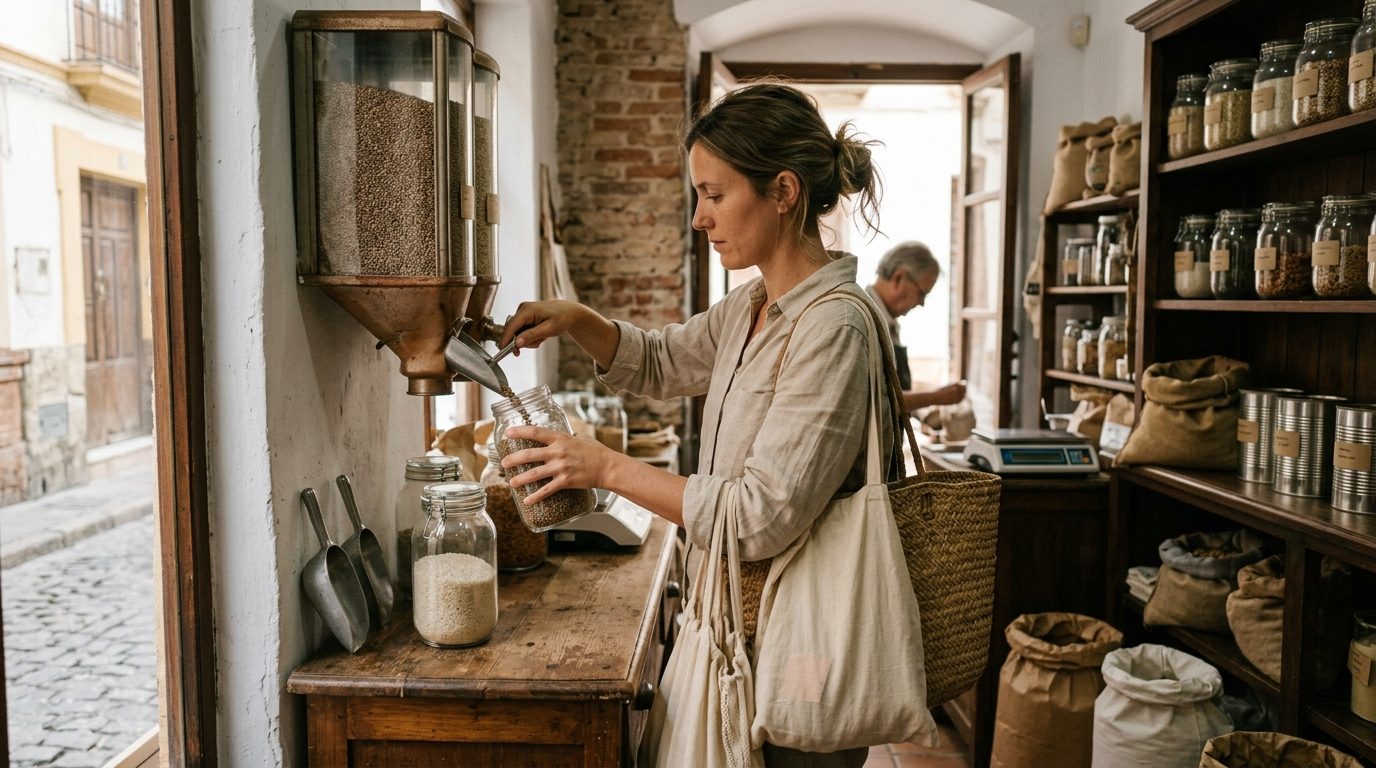
- Use the municipal market: almost every town has a mercado municipal and weekly street markets with local, seasonal produce. Bring your own bags and containers.
- Look for “ecológico”: certified organic products carry the EU organic logo and the word ecológico or “eco” on the label.
- Ask for tap water: bars and restaurants must offer tap water free of charge, so you can skip bottled water when eating out. At home, a filter jug helps if you dislike the taste of hard water.
- Buy second-hand: apps such as Wallapop, charity shops (many run by animal shelters) and local rastros (flea markets) are good for furniture and household items when you first move.
- Save water: much of Spain faces recurring drought, and some areas impose restrictions on filling pools or watering gardens. Follow local notices.
Get involved locally
Beach clean-ups, community gardens (huertos urbanos) and local environmental groups are a good way to meet like-minded people while doing something useful. See our guide to volunteering in Spain for how to find them.
Useful links
- Renfe – national rail operator, timetables and passes
- Som Energia – renewable energy cooperative
- Ecologistas en Acción – environmental groups across Spain
- Renting in Spain as a foreigner
- Property taxes for foreign owners in Spain
FAQ: sustainable living in Spain
Which bin does a plastic bottle go in?
The yellow container, together with cans, drink cartons and other packaging. Glass bottles go in the green igloo.
Where do I take old electronics or furniture?
To your local punto limpio, or book the town hall’s free collection of bulky items. Shops selling new appliances usually have to take back the old one when they deliver.
When is electricity cheapest?
On most household contracts the cheapest period is at night and at weekends. Check your bill or contract for the exact time bands.
Can I ask for free tap water in a restaurant?
Yes. Hospitality businesses must offer tap water free of charge, although you may be asked if you prefer bottled water.
Disclaimer: This article is general information only. Recycling systems, tariffs and local rules vary by town and can change – always check with your town hall or the official source before you act.

Floods, DANA storms and weather warnings in Spain: how to prepare and stay safe

Car insurance in Spain for expats in 2026: what you need to know

How to register on the padrón in Spain in 2026 (empadronamiento)

Understanding the tax system in Spain

Andalucía guide: cities, culture and life in southern Spain

Marbella guide: areas, beaches and everyday life
-

 Banking & Finances2 years ago
Understanding the tax system in Spain
-
Tourist Info2 years ago
Andalucía guide: cities, culture and life in southern Spain
-
Tourist Info2 years ago
Marbella guide: areas, beaches and everyday life
-
Legal Requirements & Documentation2 years ago
How to get your Spanish NIE number in 2026 – step by step
-
Cost of Living2 years ago
Living on a small salary in Spain in 2026
-
Legal Requirements & Documentation2 years ago
Residency in Spain 2026: how to become a legal resident – step by step
-
Legal Requirements & Documentation2 years ago
Work visa and work permit in Spain 2026 – which one you need and how to apply
-
Housing & Utilities1 year ago
Tvmate Pro app & Streambox 4K media box for expats in Spain