





















































Employment
The Spanish job market in 2026: sectors with the most opportunities for expats



Updated: October 2026
Spain’s economy has grown faster than most of Europe in recent years, and employment is at record levels – but unemployment is still higher than in northern Europe, and salaries are lower. For expats, the trick is to look where demand is strongest. Here are the sectors with the best chances in 2026 and how to find a job.
Sectors with the most opportunities
- Tech and IT: software development, cybersecurity, data and AI. Málaga, Madrid, Barcelona and Valencia have growing tech hubs, and many international companies hire in English.
- Tourism and hospitality: hotels, restaurants and tour companies need staff with languages – especially on the coasts and islands.
- Healthcare and elderly care: nurses, doctors and carers are in short supply. Foreign qualifications must be recognised first.
- Renewable energy: solar and wind projects need engineers, technicians and project managers.
- Customer service and sales: multilingual call centres and shared service centres hire native speakers of many European languages.
- Education: English teachers for language schools, international schools and business clients.
- Construction and trades: electricians, plumbers and builders are in demand in growing coastal areas.
Good to know about working in Spain
- Minimum wage 2026: €1,221 per month in 14 payments (€17,094 per year).
- Contracts: since the 2022 labour reform, permanent contracts (indefinido) are the norm, and temporary contracts are limited.
- Working week: 40 hours is the legal maximum, and many collective agreements set less.
- Remote work: common in tech and creative jobs. Working remotely for a foreign company is possible with the digital nomad visa.
How to find a job as an expat
- Get your paperwork ready: NIE, social security number and – for non-EU citizens – the right work permit.
- Adapt your CV to Spanish style (short, with a photo is still common) and translate it if you apply for Spanish-speaking jobs.
- Use the right job sites: InfoJobs, LinkedIn, Indeed and the public employment service SEPE.
- Network: expat groups, coworking spaces and local business events are often the fastest way in.
- Get your qualifications recognised if you work in a regulated profession such as healthcare, law or teaching.
FAQ: working in Spain
Do I need to speak Spanish to get a job?
Not always – many tech, tourism and international jobs use English. But Spanish widens your options a lot, especially outside the big cities.
Which cities have the most jobs for expats?
Madrid, Barcelona, Málaga, Valencia and Alicante, plus the Balearic and Canary Islands for tourism.
Can non-EU citizens work in Spain?
Yes, with the right permit. See our guide to work visas and permits.
Are salaries lower than in northern Europe?
Generally yes, but so is the cost of living outside the biggest cities. Tech, finance and specialised jobs pay best.
Useful links
- SEPE – Spanish public employment service
- InfoJobs – Spain’s largest job portal
- LinkedIn Jobs
- TEFL.com – English teaching jobs
Disclaimer: This article is general information only. Always check the current rules for work permits and qualifications with the official authorities.






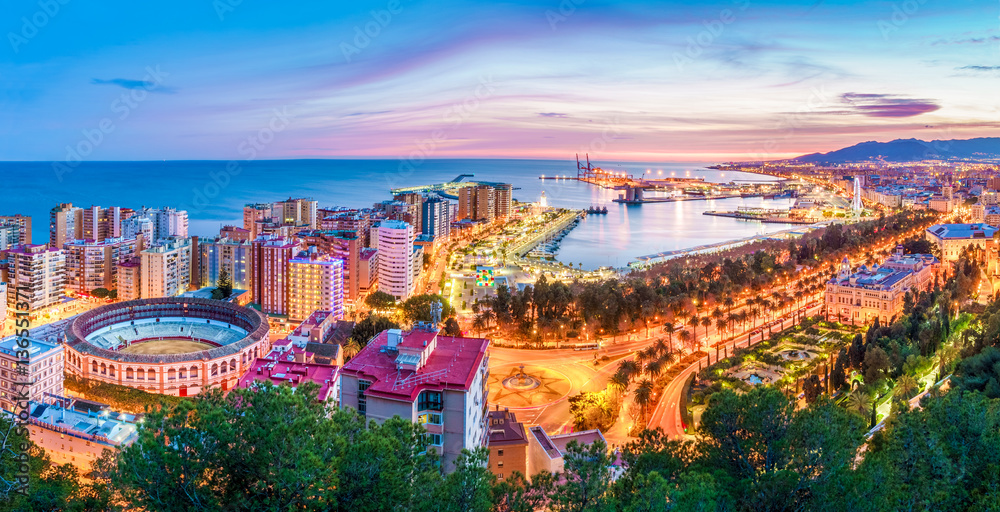
In recent years, Málaga, located on Spain’s southern coast in the heart of the Costa del Sol, has emerged as one of Europe’s most attractive destinations for digital nomads and remote workers.
The city boasts a unique blend of natural beauty, cultural richness, and modern infrastructure, making it a prime location for those seeking a balanced lifestyle while working remotely.
Here’s why Málaga is becoming increasingly popular among international professionals.
1. Exceptional Weather Year-Round
Málaga enjoys a Mediterranean climate, with over 320 sunny days a year. Winters are mild, and summers are warm but not unbearably hot thanks to the cooling sea breeze. This weather creates an ideal environment for outdoor activities, from beach days to hiking in the nearby mountains, ensuring remote workers can make the most of their free time.
2. Cost of Living
Compared to other European tech hubs such as London, Berlin, or Amsterdam, Málaga offers a significantly lower cost of living. Housing, dining, and transportation are affordable, allowing workers to enjoy a high quality of life without breaking the bank. Even luxury apartments or coworking spaces in prime areas are accessible to those on moderate budgets.
3. Modern Infrastructure
Málaga has undergone substantial modernization in recent years. The city offers reliable high-speed internet, state-of-the-art coworking spaces, and a well-connected public transport system. Remote workers have access to top-notch facilities, including trendy coffee shops and networking-friendly environments that cater specifically to the digital nomad community.
4. Ease of Connectivity
Málaga is home to one of Spain’s busiest international airports, connecting the city to major destinations across Europe and beyond. Frequent flights and affordable travel options make it easy for remote workers to visit family, travel for work, or explore neighboring countries during weekends or holidays.
5. A Thriving Digital Nomad Community
The influx of international professionals has created a vibrant and supportive digital nomad community. Numerous meetups, networking events, and coworking spaces provide opportunities to meet like-minded individuals. Organizations and online forums also help newcomers integrate and connect with other expatriates.
6. Rich Culture and Lifestyle
Málaga is a cultural hotspot with its rich history, art, and traditions. The city is the birthplace of Pablo Picasso and hosts world-class museums, such as the Picasso Museum and the Centre Pompidou Málaga. Local festivals like Feria de Málaga and Semana Santa provide immersive cultural experiences. Additionally, the relaxed Spanish lifestyle—characterized by late dinners, siestas, and a focus on family and leisure—is a refreshing change for many international workers.
Why Málaga is a Top Destination for Remote Workers from Abroad
In recent years, Málaga, located on Spain’s southern coast in the heart of the Costa del Sol, has emerged as one of Europe’s most attractive destinations for digital nomads and remote workers. The city boasts a unique blend of natural beauty, cultural richness, and modern infrastructure, making it a prime location for those seeking a balanced lifestyle while working remotely. Here’s why Málaga is becoming increasingly popular among international professionals.
1. Exceptional Weather Year-Round
Málaga enjoys a Mediterranean climate, with over 320 sunny days a year. Winters are mild, and summers are warm but not unbearably hot thanks to the cooling sea breeze. This weather creates an ideal environment for outdoor activities, from beach days to hiking in the nearby mountains, ensuring remote workers can make the most of their free time.
2. Cost of Living
Compared to other European tech hubs such as London, Berlin, or Amsterdam, Málaga offers a significantly lower cost of living. Housing, dining, and transportation are affordable, allowing workers to enjoy a high quality of life without breaking the bank. Even luxury apartments or coworking spaces in prime areas are accessible to those on moderate budgets.
3. Modern Infrastructure
Málaga has undergone substantial modernization in recent years. The city offers reliable high-speed internet, state-of-the-art coworking spaces, and a well-connected public transport system. Remote workers have access to top-notch facilities, including trendy coffee shops and networking-friendly environments that cater specifically to the digital nomad community.
4. Ease of Connectivity
Málaga is home to one of Spain’s busiest international airports, connecting the city to major destinations across Europe and beyond. Frequent flights and affordable travel options make it easy for remote workers to visit family, travel for work, or explore neighboring countries during weekends or holidays.
5. A Thriving Digital Nomad Community
The influx of international professionals has created a vibrant and supportive digital nomad community. Numerous meetups, networking events, and coworking spaces provide opportunities to meet like-minded individuals. Organizations and online forums also help newcomers integrate and connect with other expatriates.
6. Rich Culture and Lifestyle
Málaga is a cultural hotspot with its rich history, art, and traditions. The city is the birthplace of Pablo Picasso and hosts world-class museums, such as the Picasso Museum and the Centre Pompidou Málaga. Local festivals like Feria de Málaga and Semana Santa provide immersive cultural experiences. Additionally, the relaxed Spanish lifestyle—characterized by late dinners, siestas, and a focus on family and leisure—is a refreshing change for many international workers.
7. Proximity to Nature
For outdoor enthusiasts, Málaga is a paradise. From the golden beaches of the Costa del Sol to the dramatic landscapes of nearby natural parks like El Torcal and Caminito del Rey, the region offers countless opportunities for hiking, cycling, and water sports. The city’s beachfront promenades are perfect for morning runs or sunset strolls.
8. Language and Accessibility
While Spanish is the primary language, many locals and expatriates speak English, especially in urban and touristic areas. Language schools and conversation groups make it easy for foreigners to learn Spanish, further enhancing their integration into the community.
9. Supportive Policies for Remote Workers
Spain has recently introduced initiatives to attract remote workers, including the implementation of a digital nomad visa. This visa allows non-EU citizens to live and work in Spain for extended periods, making Málaga even more appealing for professionals from abroad.
Conclusion
Málaga’s appeal as a destination for remote workers is undeniable. The city’s blend of affordability, culture, lifestyle, and modern infrastructure offers everything a remote worker could want. Whether you’re drawn by the sunny beaches, thriving expat community, or the city’s rich history, Málaga provides an unbeatable setting for living and working abroad. For many, it’s not just a place to work—it’s a place to call home.

Top 10 Best-Paid Jobs in Spain & Career Paths for Foreigners
Spain’s job market is as diverse as its landscapes, with industries ranging from high-paying executive roles in multinational companies to skilled trades in demand across the nation.
For those looking to work in Spain, understanding which sectors offer the highest salaries and which careers are commonly pursued by expatriates can be helpful.
In this guide, we’ll cover the top 10 highest-paying jobs in Spain, followed by a list of popular professions among foreigners living in Spain.
The 10 Best-Paid Jobs in Spain
1. Surgeons and Medical Specialists
Average Salary: €70,000–€100,000+
Overview: Due to the complexity and long years of training, surgeons and specialized doctors are among the top earners in Spain, especially those in private healthcare institutions.
2. Engineering Managers
Average Salary: €60,000–€90,000
Overview: Engineering management, particularly in industries like aeronautics, energy, and construction, commands a high salary as demand grows for infrastructure and technical expertise.
3. IT Managers and Directors
Average Salary: €55,000–€85,000
Overview: With digital transformation a priority, IT managers, especially those experienced in cybersecurity, data science, and cloud technologies, are in high demand in Spain.
4. Banking Executives
Average Salary: €60,000–€90,000+
Overview: High-level positions within banks, particularly in investment banking and finance management, offer high salaries to professionals with a solid financial background and strategic skills.
5. Lawyers and Legal Advisors
Average Salary: €50,000–€80,000+
Overview: Specialized lawyers, particularly those with expertise in corporate, tax, or international law, can earn impressive salaries in Spain’s legal sector.
6. Commercial Pilots
Average Salary: €50,000–€100,000+
Overview: Pilots, especially those flying internationally, earn high salaries due to the responsibility, training, and skill involved in this profession.
7. Pharmacists and Medical Scientists
Average Salary: €45,000–€70,000
Overview: Spain’s healthcare sector values pharmacists, especially those involved in research, with attractive salaries offered in both public and private sectors.
8. Marketing Directors
Average Salary: €50,000–€75,000
Overview: Marketing roles, especially within multinational companies based in major cities like Madrid and Barcelona, offer competitive pay, particularly to those skilled in digital marketing and brand strategy.
9. Financial Analysts and Advisors
Average Salary: €45,000–€65,000
Overview: Financial advisors and analysts, especially those with experience in financial modeling and analysis, are in demand for their ability to manage investments and economic strategies.
10. University Professors and Researchers
Average Salary: €40,000–€60,000+
Overview: Professors in specialized fields, especially within business or medical universities, can earn competitive salaries, with public research grants providing additional income for researchers.
Careers Popular Among Foreigners in Spain
For expatriates in Spain, a variety of roles in diverse industries are accessible and frequently sought-after. Here are common jobs that many foreigners pursue:
1. Language Teachers
Teaching English or other languages is a popular job among foreigners. English teachers, in particular, find opportunities in both private and public schools as well as private tutoring.
2. Customer Service Representatives
Many multinational companies based in Spain hire foreigners for customer service roles, especially those who can provide support in multiple languages.
3. IT and Tech Specialists
Foreign IT professionals are in demand for positions such as software development, data analysis, and cybersecurity.
4. Hospitality and Tourism Staff
The tourism sector in Spain offers numerous roles for foreigners in hotels, restaurants, and tour services, especially those who speak multiple languages.
5. Digital Marketing and Content Creation
Foreigners with expertise in digital marketing, SEO, and content creation often find work with Spanish or international companies focused on online business.
6. Real Estate Agents
Many foreigners in Spain work in real estate, particularly in areas popular with expatriates, assisting other newcomers with property purchases or rentals.
7. Freelance Writers and Translators
Freelancing offers flexibility, making it a popular choice among foreigners for writing, translating, and editing work.
8. Sales Executives
Expats often work in international sales, especially those who can leverage multilingual skills to work with clients abroad.
9. Healthcare Support Roles
Foreigners with healthcare experience may find roles in support functions within private clinics, especially in areas popular among expatriates.
10. Entrepreneurs and Small Business Owners
Spain is known for its vibrant community of expat entrepreneurs who start businesses in hospitality, consulting, wellness, and retail.
Final Thoughts
Understanding the Spanish job market can help you make informed decisions about your career in Spain.
Whether you’re aiming for one of the highest-paid roles or pursuing a career commonly held by foreigners, the opportunities are plentiful.
For more insights on living and working in Spain, visit New In Spain.


Working as a Telemarketing Worker in Málaga:
Choosing Between an Office Job and Co-Working Spaces
The sunny Málaga area is increasingly becoming a hotspot for telemarketing professionals, offering an inviting combination of a beautiful environment, affordable living costs,
and a growing job market in customer service and sales.
If you’re considering telemarketing work in Málaga, you’ll likely come across two main options for your workspace:
working from a traditional office job or renting a desk from a co-working space.
Each choice has its own set of benefits and drawbacks that can significantly impact your work-life balance, productivity, and job satisfaction.
Here’s a detailed look at the pros and cons of both options.
1. Traditional Office Job
Pros of Working in a Traditional Office
- Structure and Stability: Working in a dedicated office environment provides a structured routine, which can improve productivity and maintain a clear boundary between work and personal life.
- Team Collaboration: An office setting encourages teamwork and provides face-to-face interaction with colleagues, which can be motivating and help build strong working relationships.
- Provided Equipment: Offices typically come equipped with all necessary telemarketing tools: phones, headsets, computers, and software. This setup reduces the need to invest in your own technology.
- Supervision and Guidance: Having supervisors and managers nearby can be beneficial for receiving immediate feedback, guidance, and support, especially in sales-focused roles.
- Opportunities for Advancement: Working in an office may present clearer opportunities for growth within the company, including promotions, bonuses, and professional development programs.
Cons of Working in a Traditional Office
- Commute: Commuting to and from the office, especially during peak hours, can be time-consuming and costly.
- Less Flexibility: Office jobs generally follow fixed schedules, which can limit flexibility for personal matters and make it harder to achieve a work-life balance.
- Potential for Distractions: While offices can foster teamwork, they can also be noisy, with colleagues, phone calls, and meetings potentially interrupting focus.
- Dress Code: Many offices have dress codes, which might require additional costs for professional attire and less comfort compared to a casual workspace.
- Higher Stress Levels: The sales-oriented nature of telemarketing work, combined with the pressure of a monitored environment, can sometimes lead to stress and reduced morale.
2. Renting a Desk from a Co-Working Space
Pros of Working in a Co-Working Space
- Flexibility: Co-working spaces often offer flexible rental options, from daily desk rentals to monthly plans, allowing you to choose what works best for your schedule and budget.
- Networking Opportunities: Co-working spaces are filled with professionals from diverse fields, creating networking opportunities that could lead to new clients, job offers, or collaborations.
- Modern Amenities and Comfort: Most co-working spaces offer modern amenities, including ergonomic seating, quiet areas, and sometimes even lounges, kitchens, and coffee stations, which create a comfortable environment.
- Work-Life Balance: A co-working space can serve as a middle ground between an office and remote work, allowing you to separate your work and personal life without a rigid office schedule.
- Creative Atmosphere: Many co-working spaces are designed with creativity and collaboration in mind, with open layouts, natural light, and stylish décor, which can boost motivation and inspiration.
Cons of Working in a Co-Working Space
- Cost: Renting a desk in a co-working space, especially in Málaga’s popular areas, can add up over time, ranging from €100 to €400 per month depending on location and amenities.
- Lack of Supervision: Working independently in a co-working space means you won’t have a supervisor nearby, which could be a disadvantage if you need frequent feedback or guidance.
- Potential for Distractions: While co-working spaces are generally quieter than traditional offices, they can still be bustling, with other workers’ conversations or activities becoming distractions.
- Limited Availability of Equipment: Unlike a dedicated office, you may need to bring or rent your own telemarketing tools, such as headsets or specific software, which could incur additional costs.
- Less Job Stability: Working from a co-working space often comes with more contractual and freelance-style roles, meaning less job security and fewer company benefits than a permanent office job might offer.
Summary Table of Pros and Cons
| Option | Pros | Cons |
|---|---|---|
| Traditional Office Job | – Structure and stability – Team collaboration – Provided equipment – Supervision and guidance – Opportunities for advancement |
– Commute – Less flexibility – Potential for distractions – Dress code – Higher stress levels |
| Co-Working Space | – Flexibility – Networking opportunities – Modern amenities and comfort – Work-life balance – Creative atmosphere |
– Cost – Lack of supervision – Potential for distractions – Limited availability of equipment – Less job stability |
Conclusion
Choosing between a traditional office job and a co-working space in Málaga depends on your personal preferences, career goals, and work style.
If you prefer structure and enjoy working closely with a team, a traditional office environment may be more suitable.
On the other hand, if you value flexibility, networking, and a modern atmosphere, a co-working space might be the better option.
For more insights on living and working in Spain, visit New In Spain

Tvmate Pro app & Streambox 4K media box for expats in Spain

The Spanish job market in 2026: sectors with the most opportunities for expats

Mental health support for expats in Spain: resources & tips

Understanding the tax system in Spain

Marbella guide: beaches, Puerto Banús and the old town

Andalucía: history, culture and places to visit
-

 Banking & Finances2 years ago
Understanding the tax system in Spain
-
Tourist Info2 years ago
Marbella guide: beaches, Puerto Banús and the old town
-
Tourist Info2 years ago
Andalucía: history, culture and places to visit
-
Legal Requirements & Documentation2 years ago
How to get your Spanish NIE number in 2026 – step by step
-
Safety & Emergency2 years ago
Terrorism threat level and safety in Spain
-
Legal Requirements & Documentation2 years ago
Residency in Spain 2026: how to become a legal resident – step by step
-
Employment2 years ago
Living on a small salary in Spain
-
Legal Requirements & Documentation2 years ago
Work visa and work permit in Spain 2026 – which one you need and how to apply