




















































Housing & Utilities
Best internet and mobile providers in Spain for expats (2026)


Updated: October 2026
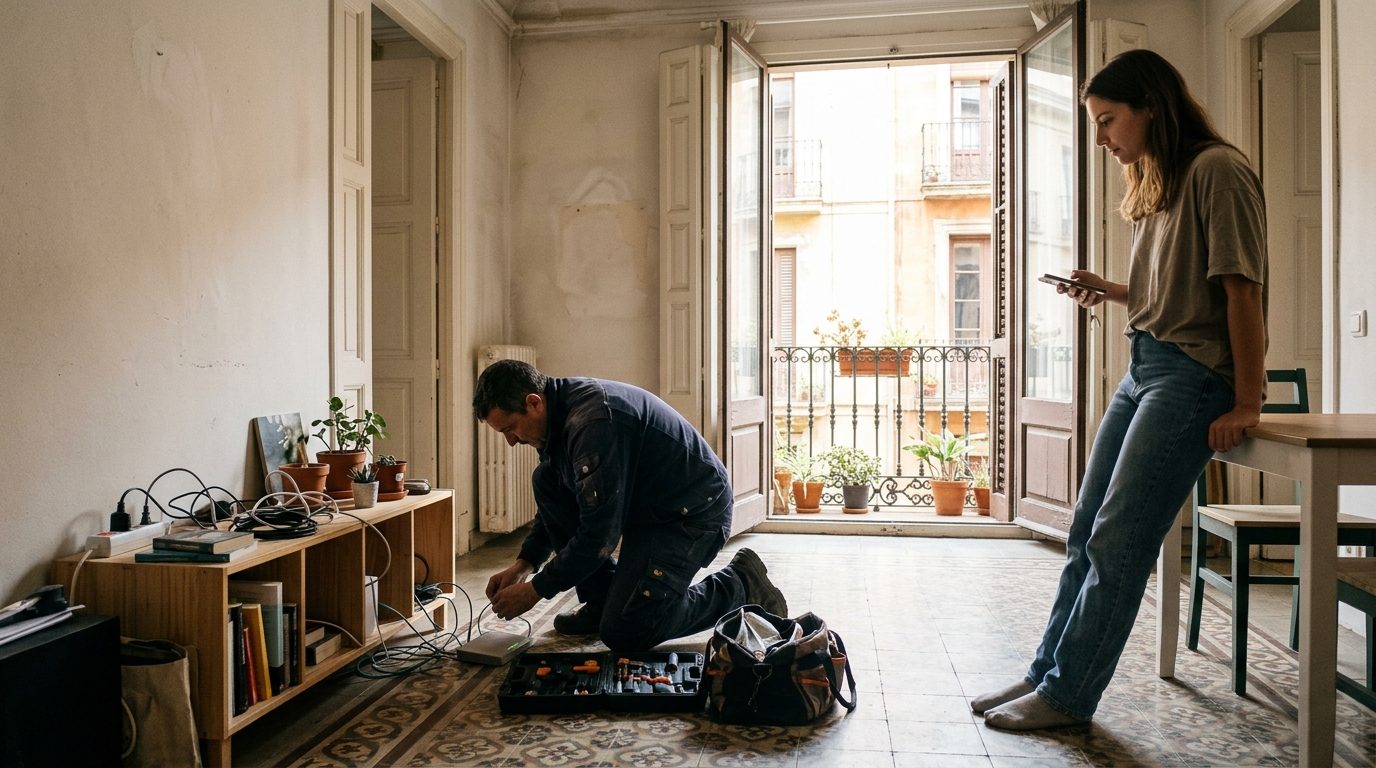
Fast fibre and a good mobile plan are among the first things you need in Spain. The market is competitive and prices are low compared with northern Europe – but contracts, permanence periods and installation rules can be confusing. Here is an overview of the main providers in 2026 and what to check before you sign.
The big providers
- Movistar: the former national operator with the widest fibre network, also in small villages. Good TV packages (football), but usually the most expensive.
- Orange: part of MasOrange, the largest operator by customers after the merger with MásMóvil. Wide coverage and frequent offers.
- Vodafone: solid fibre and 5G network, often with English-language support and international roaming options.
- Digi: the fast-growing low-cost operator with very cheap fibre and mobile plans and no permanence period. Popular with expats.
Budget brands worth checking
Many cheap brands use the big networks, so coverage is the same but the price is lower: Lowi and Finetwork (Vodafone network), Simyo, Jazztel, Yoigo and Pepephone (MasOrange), and O2 (Movistar network). Most offer online sign-up and no long contract.
What does it cost in 2026?
| Product | Typical price per month |
|---|---|
| Fibre only (300 Mb – 1 Gb) | €20 – €40 |
| Mobile only (SIM, lots of data) | €5 – €20 |
| Fibre + mobile bundle | €30 – €60 |
| Bundle with TV and football | €70 – €130 |
Prices change often and introductory offers usually rise after 6–12 months, so always check the price after the promotion ends.
What you need to sign up
- Passport or NIE/TIE. Most operators require ID to register a SIM card – this is the law in Spain.
- A Spanish bank account (IBAN) for direct debit – some operators also accept cards.
- Your address and, for fibre, permission from the owner if you rent (installation needs a small hole or cable).
Tips before you sign
- Check fibre coverage at your exact address on the operator’s website before you sign.
- Watch the permanence period (permanencia) – leaving early can cost a penalty, often linked to the router or a discounted phone.
- Rural areas: if there is no fibre, look at 4G/5G home internet or satellite internet.
- Keep your number: number porting (portabilidad) is free and usually takes 1–2 working days.
- Roaming: calls and data within the EU are charged as in Spain. Check the rules if you often travel to the UK or outside the EU.
FAQ: internet and mobile in Spain
Can I get a SIM card without a NIE?
Yes. Prepaid SIM cards can be bought with your passport. For a contract with fibre, most operators also want a Spanish bank account.
How long does fibre installation take?
Usually between a few days and two weeks, depending on the area and whether the building already has fibre.
Which provider has the best customer service in English?
It varies by area. Vodafone and some budget brands offer English support online. In tourist areas, local shops often have English-speaking staff.
How do I cancel a contract?
Operators must let you cancel the same way you signed up – online or by phone. Return the router if required, and check whether a permanence penalty applies.
Useful links
Disclaimer: Prices and offers are indicative and change often. Always check the provider’s current conditions before you sign.
Housing & Utilities
Tvmate Pro app & Streambox 4K media box for expats in Spain
The Tvmate Pro app for Android and Apple, and the Streambox Sword 4K media box – easy TV for expats in Spain.

Tvmate Pro app & Streambox media box – TV made easy
Just moved to Spain and want your TV set up the easy way? Choose the Tvmate Pro app for your phone, tablet or smart TV – or the Streambox Sword 4K media box that turns any TV into a fast smart TV. We use both ourselves and help you get started.
Two ways to watch
Tvmate Pro – the app
A modern media player app with programme guide (EPG), favourites, catch-up and recording support. Works on Android and Apple – phones, tablets, Android TV, Apple TV and Fire TV.
Streambox Sword 4K – the media box
Plug it into any HDMI TV and get 4K, Android TV, Chromecast and all your apps on the big screen – Tvmate Pro included.
Why expats like it
4K Ultra HD
Sharp 4K at 60 fps with HDR10+ on any HDMI TV.
Your apps
Netflix, Disney+, Prime Video, YouTube and thousands of apps from Google Play.
Chromecast
Cast from your phone, plus Miracast screen mirroring.
Parental control
Set limits and keep the kids’ viewing safe.
Media box specifications
Android 11 TV · 2 GB RAM · 16 GB storage · Dual-band WiFi 2.4/5 GHz + Ethernet · AV1 / HEVC / HDR10+ · HDMI · 2× USB · black or white · 22 × 14 × 7 cm, 250 g.
In the box
Streambox Sword TV box, remote control, HDMI cable, power adapter and user manual. Automatic software updates (OTA).
Good to know
The app and the box come without TV channels or content subscriptions. You use your own accounts with official, licensed services such as Netflix, Disney+, Prime Video or your home country’s public broadcasters’ apps.
Request price & set-up help
Choose app, media box or both – we reply within 24 hours.
Published: August 2025
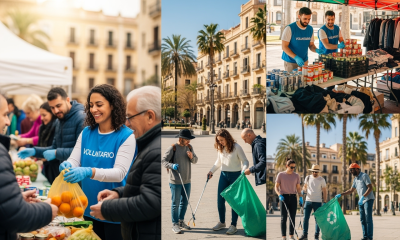
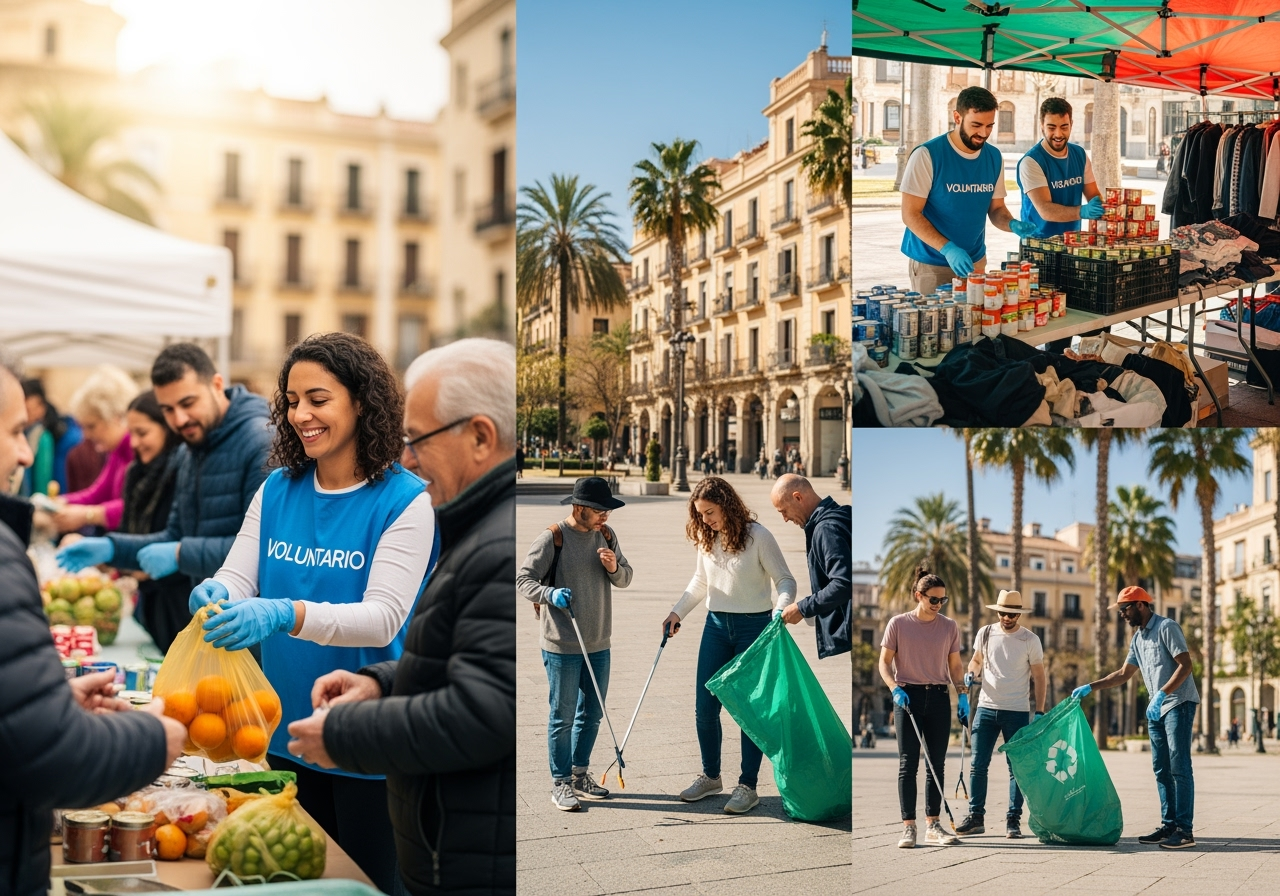
Moving to Spain isn’t just about enjoying the sun and culture – it’s also about becoming part of the local community. Volunteering is one of the best ways to build networks, learn the language, and make a real difference while integrating. Spain offers a wide range of volunteer opportunities, from social projects to environmental protection and animal welfare. Here’s a guide to how expats can easily get involved – and why it’s so rewarding.
Why volunteering is valuable for expats
Volunteering opens doors to new friendships, improves your language skills, and gives you insight into Spanish culture and daily life. Many expats find that getting involved as a volunteer makes the transition to life in Spain much easier and more meaningful.
Popular volunteering areas in Spain
- Social projects: Help vulnerable groups, the elderly, children or refugees through local NGOs or church organizations.
- Environment and nature: Join beach clean-ups, reforestation, or environmental education – see for example Ecologistas en Acción.
- Animal welfare: Work with animal shelters or rescue groups. See Protectora Málaga.
- Food banks and social aid: Help with distributing food and supplies. Banco de Alimentos has branches across the country.
- Culture and events: Volunteer at local festivals, sports events, or international events like Feria de los Países.
How to find volunteering opportunities
- Search local Facebook groups for expats and volunteers.
- Contact your town hall (“ayuntamiento”) for lists of local projects.
- Use networks like voluntariado.net or hacesfalta.org.
- Ask at language schools, libraries, or cultural centers – there are often noticeboards with opportunities.
Tips for expat volunteers
- Be open to new experiences and cultures.
- Use volunteering as a way to learn Spanish in practice.
- Start with short-term projects if you’re unsure – it’s easy to get more involved later.
- Be patient with paperwork – some roles require background checks or references.
Useful links
- voluntariado.net – nationwide volunteering portal
- hacesfalta.org – volunteer jobs and social projects
- Ecologistas en Acción – environmental volunteering
- Banco de Alimentos – food banks
- Protectora Málaga – animal welfare
FAQ: volunteering in Spain as an expat
Do I need to speak Spanish to volunteer?
No, many organizations welcome English speakers, but learning some Spanish will help you get more involved.
Is volunteering paid in Spain?
No, volunteering is unpaid, but you may get meals or transport covered.
Can I volunteer as a tourist or do I need residency?
Short-term volunteering is possible as a tourist, but longer-term roles may require residency or NIE.
How do I find animal shelters to volunteer at?
Search for “protectora de animales” + your city, or use the links above.
Are there age restrictions for volunteering?
Most roles are for adults (18+), but some accept younger volunteers with parental consent.
Can I get a reference for my volunteering?
Yes, most organizations are happy to provide a reference or certificate of participation.
Is volunteering a good way to meet people?
Absolutely – it’s one of the best ways to build a local network and make friends.
Are there volunteering opportunities in rural areas?
Yes, especially in environmental projects and animal rescue.
Do I need special skills to volunteer?
Most roles require only enthusiasm and commitment, but some projects may ask for specific experience.
How can I combine volunteering with learning Spanish?
Choose projects where you interact with locals – it’s the fastest way to improve your language skills.
Disclaimer: This article is for informational purposes only. Always check with the organization for up-to-date requirements and opportunities.
Published: August 2025
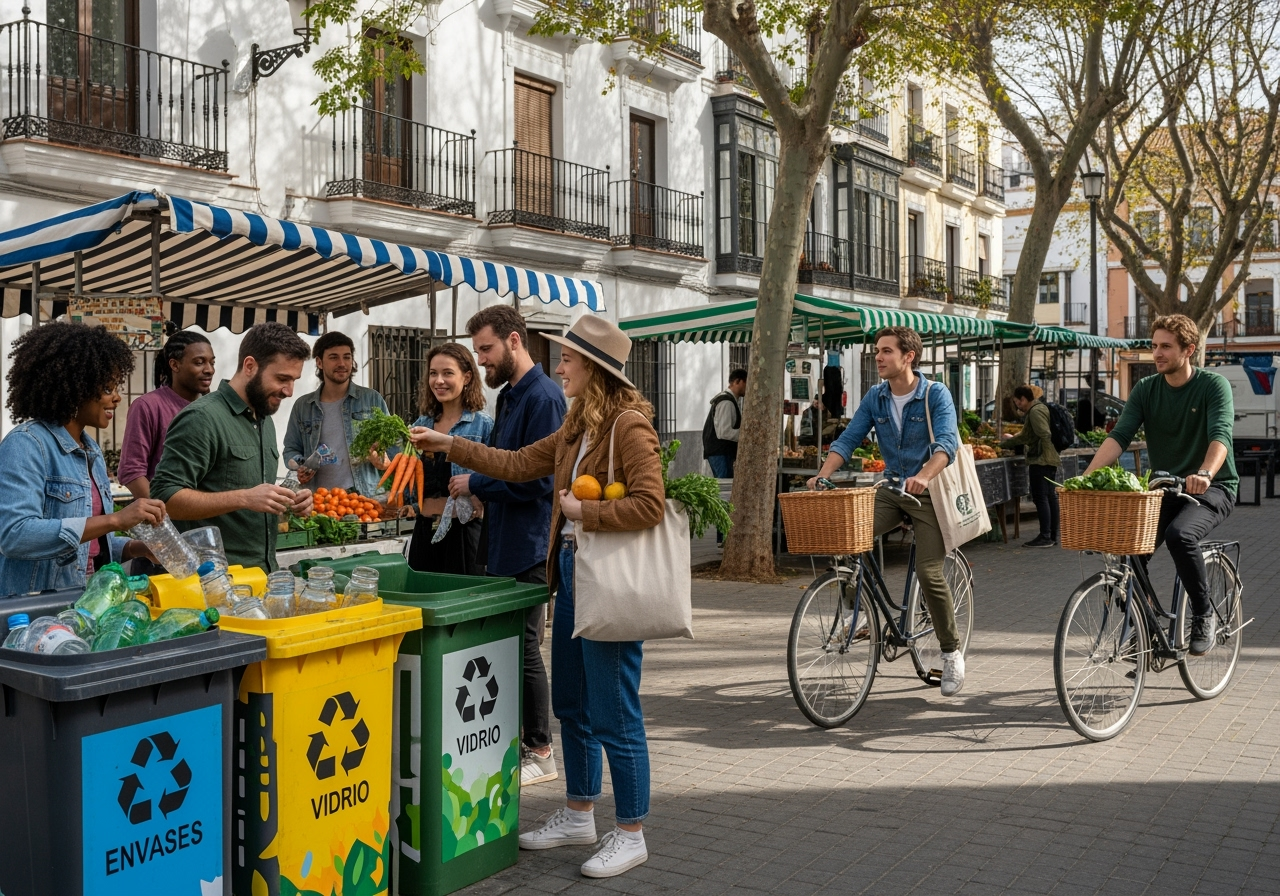
Moving to Spain offers a new adventure, but also a chance to rethink your lifestyle and live more sustainably. Spain is making strides in renewable energy, recycling, and green living, and expats can easily join the movement. Here are practical tips for living eco-friendly in Spain, saving money, and reducing your carbon footprint.
Why sustainable living matters in Spain
Spain is one of Europe’s leaders in solar and wind energy. Many regions have strong recycling programs and incentives for using public transport or electric vehicles. As an expat, you can help protect Spain’s beautiful landscapes and vibrant cities by making small changes in your daily life.
Reduce, reuse, recycle
- Sort your waste: Most towns have colored bins—yellow for plastics, blue for paper, green for glass, brown/grey for general waste.
- Compost: Community composting is available in some cities. Ask your local town hall.
- Donate or sell unwanted items instead of throwing them away. Try Wallapop or local Facebook groups.
Save energy at home
- Switch to LED lighting and unplug devices when not in use.
- Consider a green energy provider—many regions offer 100% renewable plans. See Holaluz or Som Energia.
- Install fans or awnings instead of air conditioning to save energy in summer.
Choose sustainable transport
- Use public transport—Spain’s trains and buses are reliable and widespread. See Renfe for trains and ALSA for buses.
- Cycle or walk whenever possible. Many cities have bike-sharing systems.
- Consider an electric scooter or car—charging stations are growing fast.
Shop and eat green
- Buy local and seasonal produce at markets—support farmers and reduce food miles.
- Try vegetarian or vegan options, which are becoming more popular in Spain.
- Bring your own bags and containers—plastic bags are being phased out.
Useful links
- Ecologistas en Acción – Spain’s leading environmental NGO
- Holaluz – renewable energy provider
- Som Energia – green energy cooperative
- Wallapop – secondhand marketplace
FAQ: sustainable living in Spain
How do I recycle in Spain?
Use the colored bins provided in your area—check your town hall’s website for details.
Are there eco-friendly energy providers?
Yes, companies like Holaluz and Som Energia offer 100% renewable electricity.
Is public transport reliable in Spain?
Yes, especially in cities and along the coast. Trains and buses are affordable and frequent.
Can I compost in my apartment?
Some cities have community composting—ask your building manager or town hall.
Where can I buy local organic food?
Visit farmers’ markets or look for “eco” sections in supermarkets.
How can I reduce energy use in summer?
Use fans, close shutters during the day, and ventilate at night.
Are there bike-sharing schemes?
Yes, most big cities have them—check your city’s transport website.
How can I donate or sell unwanted items?
Use Wallapop, Facebook Marketplace, or local charity shops.
Is vegan food easy to find in Spain?
Yes, especially in big cities and tourist areas.
How do I find eco-groups or events?
Search Facebook, Meetup, or ask at your local town hall.
Disclaimer: This article is for informational purposes only. Always check local regulations and resources for the latest updates.

Tvmate Pro app & Streambox 4K media box for expats in Spain

The Spanish job market in 2026: sectors with the most opportunities for expats

Mental health support for expats in Spain: resources & tips

Understanding the tax system in Spain

Marbella guide: beaches, Puerto Banús and the old town

Andalucía: history, culture and places to visit
-

 Banking & Finances2 years ago
Understanding the tax system in Spain
-
Tourist Info2 years ago
Marbella guide: beaches, Puerto Banús and the old town
-
Tourist Info2 years ago
Andalucía: history, culture and places to visit
-
Legal Requirements & Documentation2 years ago
How to get your Spanish NIE number in 2026 – step by step
-
Safety & Emergency2 years ago
Terrorism threat level and safety in Spain
-
Legal Requirements & Documentation2 years ago
Residency in Spain 2026: how to become a legal resident – step by step
-
Employment2 years ago
Living on a small salary in Spain
-
Legal Requirements & Documentation2 years ago
Work visa and work permit in Spain 2026 – which one you need and how to apply