Cultural
All Saints’ Day (Todos los Santos) in Spain: traditions and what to expect
What happens on Todos los Santos in Spain: cemetery visits, chestnuts and sweets, regional customs, and which regions have Monday 2 November 2026 off.








Updated: October 2026
On 1 November Spain celebrates Todos los Santos, All Saints’ Day. For many Spanish families it is a quiet, important day for remembering relatives who have died, rather than a party. This guide explains what happens, the food and regional customs you will notice, and how the holiday works in 2026, when 1 November falls on a Sunday.
What All Saints’ Day means in Spain
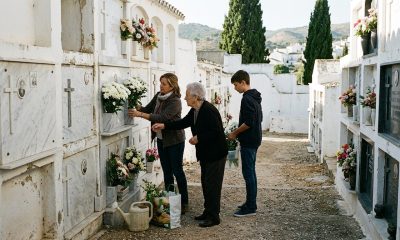
All Saints’ Day is a Catholic feast honouring all saints, and the next day, 2 November, is All Souls’ Day (Día de los Difuntos), dedicated to the dead. In everyday Spanish life the two have merged into one tradition: in the days around 1 November, families visit the cemetery to clean and decorate the graves of their loved ones.







Even people who are not religious often take part, because it is as much about family as faith. Relatives travel back to their home town, meet at the cemetery, then share a meal. If you have Spanish neighbours, friends or a partner, you may be invited along. It is a respectful occasion, so dress neatly and follow their lead.
Is it a public holiday in 2026?
Yes. 1 November is a national public holiday every year. In 2026 it falls on a Sunday, so each region could choose whether to move the day off to Monday 2 November. According to the official 2026 holiday calendar published in the BOE, nine regions did so:
- Monday 2 November is a holiday in: Andalusia, Aragón, Asturias, the Canary Islands, Castilla-La Mancha, Castilla y León, Extremadura, Madrid and Navarra.
- Normal working day in: the other regions, including Catalonia, the Valencian Community, the Balearic Islands, Galicia, Murcia and the Basque Country, which used that holiday elsewhere in their calendar.
So on the Costa del Sol and in the rest of Andalusia you get a long weekend from Saturday 31 October to Monday 2 November. Expect public offices, banks and health centres to be closed on the Monday. In Andalusia, larger shops are allowed to open on 2 November, as it is on the regional list of authorised trading days. For the full calendar, see our guide to public holidays in Spain in 2026.
Cemetery visits: what to expect
Cemeteries are at their busiest in the last days of October and on 1 November. In Spain many people are buried in nichos, wall niches stacked several rows high, so you will see families on ladders cleaning marble fronts and placing fresh flowers.








- Flowers: chrysanthemums, carnations and gladioli are the classic choices. Florists and market stalls are very busy, so buy a few days before if you can.
- Opening hours and transport: many town halls extend cemetery hours and add extra buses or traffic controls around the holiday. Check your ayuntamiento website for local arrangements.
- Behaviour: keep your voice low, do not take photos of other families and keep children close. Some cemeteries also hold Masses on the day.
- Traffic: roads near cemeteries and to inland villages get congested over the long weekend, so allow extra time.
Food and sweets of the season
Bakeries fill up with seasonal sweets in the weeks before 1 November. Look out for:
- Huesos de santo: “saints’ bones”, small rolls of marzipan filled with sweet egg yolk cream or other fillings.
- Buñuelos de viento: light fried dough balls, often filled with cream or chocolate.
- Roasted chestnuts: street sellers with smoking chestnut carts appear in town centres as the weather cools, often with roasted sweet potatoes too.
- Panellets: small almond sweets covered in pine nuts, typical in Catalonia.
Regional customs worth knowing
Spain’s regions mark the season in their own ways, and some of these customs are fun for families and newcomers.
- Catalonia – La Castanyada: on the eve of All Saints, families eat roasted chestnuts, sweet potatoes and panellets, often with sweet wine.
- Galicia and the north-west – Magosto: an autumn chestnut festival with bonfires, roasted chestnuts and new wine, held in many villages around this time.
- Cádiz – Tosantos: in the days before 1 November, stalls in the city’s food markets are decorated with comic scenes made from fruit, vegetables, fish and meat, a tradition with a long local history.
- Cocentaina (Alicante) – All Saints’ Fair: one of Spain’s oldest fairs, dating back to the 14th century, with markets, crafts and livestock. Spain’s official tourism site lists it around 1 November.
- Don Juan Tenorio: theatres in many cities stage José Zorrilla’s 19th-century play about the legendary seducer around this date, a long-standing tradition.
Halloween on 31 October has become very popular in Spain too, especially with children and young people. You will see costume parties, decorated bars and trick-or-treating in some urban areas, side by side with the traditional cemetery visits. For more autumn events, see our guides to Spanish festivals for expats and events on the Costa del Sol.
Practical tips for newcomers
- Check whether Monday 2 November is a holiday in your region and in the town where you work, before booking appointments.
- Do your food shopping before the weekend. Smaller supermarkets may close or open shorter hours.
- Book travel and hotels early if you plan a trip, as many Spaniards travel home or take a short break.
- Keep an eye on the weather. Late autumn can bring heavy rain, so read our guide to DANA storms and weather warnings.
- If a colleague or neighbour mentions visiting the cemetery, a simple, kind word is appreciated. It is a day of remembrance, not mourning in public.
Useful links
- BOE resolution with the 2026 holiday calendar (copy on Granada City Council website)
- Sundays and holidays when shops may open in 2026 (Ministry, PDF)
- Festivals in Spain in November (Spain’s official tourism site)
- Public holidays in Spain 2026
- Spanish festivals and how expats can join in
FAQ: All Saints’ Day in Spain
Is Monday 2 November 2026 a holiday in Málaga?
Yes. Andalusia moved the All Saints’ holiday from Sunday 1 November to Monday 2 November in 2026, so it is a day off across the region.
Is 2 November always a holiday in Spain?
No. All Souls’ Day on 2 November is not a public holiday in its own right. It only becomes one when a region moves the 1 November holiday because it falls on a Sunday, as happens in nine regions in 2026.
Do Spaniards celebrate Halloween?
Increasingly, yes, especially children and young adults in cities. It sits alongside the older tradition of cemetery visits and family meals on 1 November.
What are huesos de santo?
Small marzipan rolls shaped like bones and filled with sweet cream, sold in bakeries around All Saints’ Day.
Disclaimer: This article is general information only. Holiday dates are set by the State, regions and town halls, and local events and opening hours can change – always check the official source for your area before you plan.