





























































Tourist Info
Estepona: living in the garden of the Costa del Sol
A newcomer’s guide to Estepona: the flower-filled old town, beaches, areas to live, transport, healthcare and who the town suits.









Updated: October 2026
Estepona sits on the western Costa del Sol, between Marbella and Manilva, and is often called the garden of the Costa del Sol because of its flower-filled old town. This guide is for newcomers thinking of living there or spending a long stay. You will learn what the town is like, which beaches and areas to know, how daily life works and what to check before you move.
Why Estepona is called the garden of the Costa del Sol
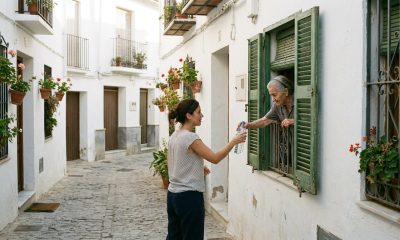
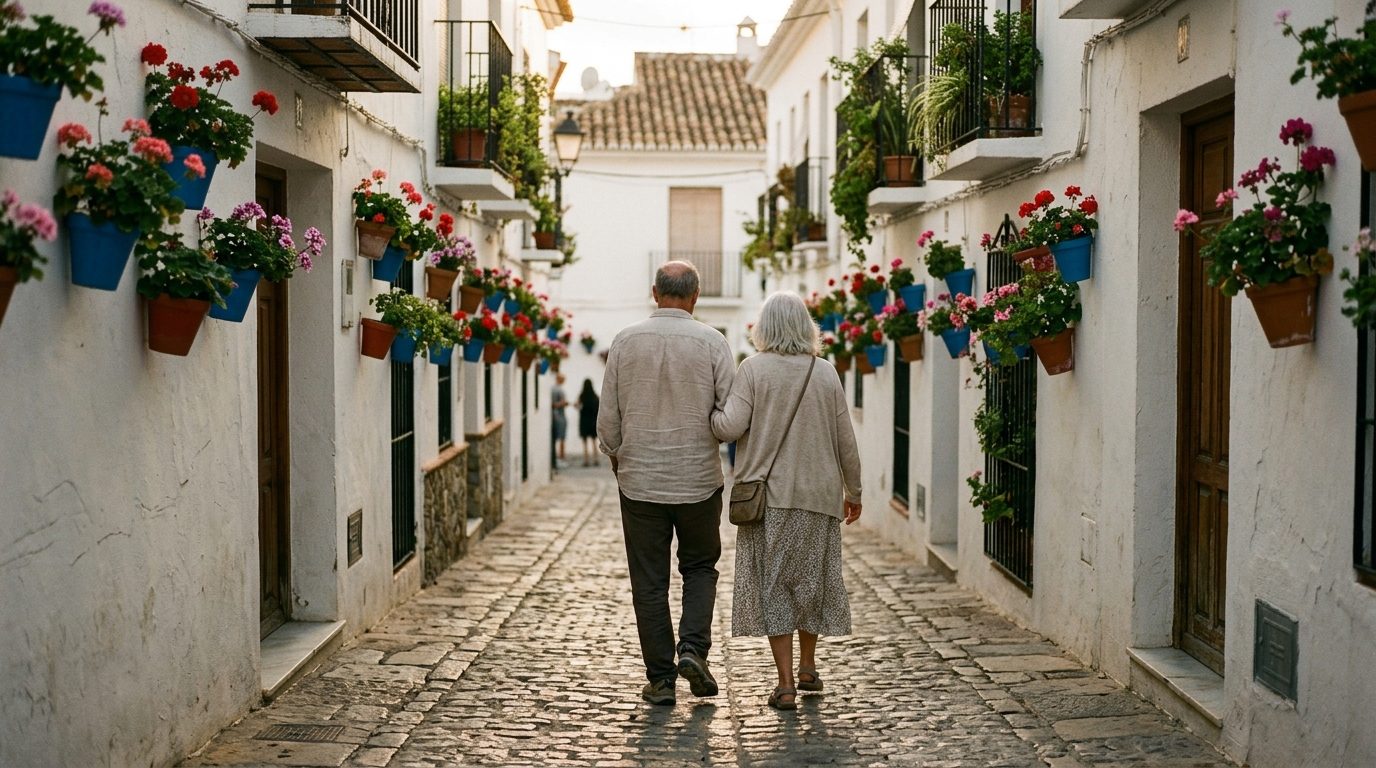
The nickname comes from the casco antiguo, the old town. Its whitewashed streets are lined with thousands of flowerpots hanging on walls and balconies, and the small Plaza de las Flores is the heart of it. The town has invested heavily in planting, street art and pedestrian streets over the last two decades, and it shows.







On top of the flowers, Estepona has three walking routes that make the town feel like an open-air gallery:
- Murals route: more than 40 large wall paintings, many covering whole apartment blocks.
- Sculpture route: more than 30 sculptures by different artists placed around the streets and the seafront.
- Poetry route: poems displayed on walls and tiles across the old town, in several languages.
Close to the centre you also find the Parque Botánico y Orquidario, a botanical park with a large glass orchid house that is a pleasant place to walk on a hot day.
What to see in and around town
Estepona is not a museum town, but it has more history than many visitors expect. Worth knowing:
- Torre del Reloj: the old clock tower, one of the landmarks of the old town.
- Iglesia de los Remedios: an 18th-century church at the edge of the historic centre.
- Castillo de San Luis: the remains of the old castle.
- Casa del Aljibe: home to the town’s archaeological museum.
- Necrópolis Megalítica de Corominas: a prehistoric burial site, a reminder that people lived here long before tourism.
- The port: the Puerto Deportivo has bars and restaurants, and a market with local products and crafts on Sundays.
Inland, the Sierra Bermeja rises steeply behind the town. It is a protected natural area with hiking trails, and from the Pico de los Reales (1,449 m) you can see the western Costa del Sol, the Rock of Gibraltar and, on a clear day, North Africa. Families with children also have the Selwo Aventura animal park in the municipality.







Beaches in Estepona
Estepona has around 21 km of coastline, so you can choose between busy town beaches and quiet stretches with dunes. A few to know:
| Beach | What it is like | Good for |
|---|---|---|
| La Rada | The long central beach (about 2.6 km) along the promenade, with full services | Daily swims, walks, living in town |
| El Cristo | A small sheltered bay by the port with calm, clear water | Families and small children |
| El Padrón | Lively beach west of town with beach bars and restaurants | Weekends and long lunches |
| Guadalmansa and Saladillo | Quieter beaches east of town, Saladillo with dunes and pines | Peace and space |
| Costa Natura | An established naturist beach | Naturists |
Several beaches have adapted access and assisted bathing for people with reduced mobility during the summer season. Before swimming, read up on flags, currents and jellyfish in our beach and sea safety guide.
Areas to live in
Estepona is spread out along the coast, and where you live changes your daily life a lot.
- Old town and centre: walkable, with shops, bars, the market and the beach on your doorstep. Apartments are older and parking can be hard.
- Seafront and port area: newer apartment blocks with sea views and easy access to the promenade.
- East towards Marbella (the “New Golden Mile”): urbanisations, villas and golf, popular with buyers who want space. You will need a car.
- West towards Manilva and Casares: quieter developments, often a little cheaper, with the historic village of Casares a short drive inland.
Prices have risen as more international buyers discover the town, and long-term rentals can be scarce in summer. Read our guide to renting in Spain as a foreigner before you sign anything, and compare with nearby Marbella if you are flexible on location.
Everyday life: transport, health and paperwork
Getting around
There is no train in Estepona – the coastal Cercanías line from Málaga ends in Fuengirola. Most residents drive, using the A-7 or the AP-7 toll motorway. Buses connect Estepona with Marbella, Málaga and Málaga airport, which is roughly an hour away by car depending on traffic. Gibraltar airport is another option for flights to the UK. See our airports guide for transfers.
Healthcare
Estepona has a public hospital, the Hospital de Alta Resolución de Estepona, run by the Andalusian health service, plus public health centres and several private clinics. For more serious cases patients may be referred to larger hospitals on the coast. Our guide to hospitals on the Costa del Sol explains how the system fits together.
First paperwork
- Register on the padrón at the town hall once you have an address – see our padrón guide.
- Sort your residency status and NIE.
- Register with a public health centre or arrange private insurance.
- Open a bank account and set up utilities in your name.
Who Estepona suits
Estepona suits people who want a real Spanish town with a lively centre, good beaches and a slower pace than Marbella. It is popular with families, retirees and remote workers who do not need to be in Málaga every day. Golfers are well served too, with many courses between Estepona and Marbella – see our golf guide.
It is less ideal if you depend on public transport, need a big city job market or want nightlife on the scale of Marbella or Málaga. Summer is busy, while winter is calm and some beach businesses close or reduce hours.
Useful links
- Estepona on Spain.info, the official Spanish tourism portal (Spanish)
- Marbella guide: areas, beaches and everyday life
- Renting in Spain as a foreigner
- How to register on the padrón
- Beach and sea safety in Spain
FAQ: living in Estepona
Why is Estepona called the garden of the Costa del Sol?
Because of the thousands of flowerpots and plants that decorate the whitewashed streets of the old town, together with its parks and the botanical garden with an orchid house.
Can I live in Estepona without a car?
In the old town and along the seafront, yes – shops, the beach and buses are within walking distance. In the urbanisations outside town a car is close to essential, as there is no train and bus routes are limited.
Is Estepona cheaper than Marbella?
In general it has been somewhat cheaper, but prices have risen fast. Compare current listings in both towns for the type of home you want before deciding.
Is there a hospital in Estepona?
Yes. The public Hospital de Alta Resolución de Estepona has an emergency department, and there are public health centres and private clinics in town.
Disclaimer: This article is general information only. Prices, services and opening times can change – always check with the town hall or the official source before you act.

Tourist Info
Public transport on the Costa del Sol: trains, buses and travel cards
How the Cercanías trains, Metro, Consorcio buses and coaches work on the Costa del Sol, and which travel card or pass saves you the most money.

Updated: October 2026
Living on the Costa del Sol without a car is easier than many newcomers expect, at least between Málaga and Fuengirola. This guide explains how the local trains, the Málaga Metro, the metropolitan buses and the long-distance coaches fit together, and which travel card or monthly pass makes sense for the way you travel.
The big picture: who runs what
Public transport on the coast is a mix of operators, and knowing who runs which service saves a lot of confusion when you look for timetables or tickets.
- Renfe Cercanías: the local train network around Málaga, run by the national rail operator.
- Metro de Málaga: two light-rail lines inside the city of Málaga.
- EMT Málaga: the city bus company in Málaga itself. Other towns have their own urban buses.
- Consorcio de Transporte Metropolitano del Área de Málaga (CTMAM): the regional body that coordinates the metropolitan buses between Málaga and the surrounding towns and issues the shared transport card.
- Avanza and other coach companies: longer routes along the coast, for example from Málaga to Marbella, San Pedro and Estepona.
Cercanías trains: the backbone between Málaga and Fuengirola
Málaga has two Cercanías lines. The C-1 runs from Málaga Centro-Alameda via María Zambrano station and the airport to Torremolinos, Benalmádena and Fuengirola. The C-2 runs inland from Málaga to Álora. For most expats the C-1 is the line that matters: it links the airport, the city centre and the main coastal towns west of Málaga.
Single tickets are priced by zones. You can buy them at machines and ticket offices, and Renfe also lets you pay a single journey by tapping a contactless bank card or your phone at the turnstiles. If you commute every day, a monthly pass is far cheaper.
A few realistic expectations help. The C-1 is busy at rush hour and has had delays, cancellations and engineering works in 2026, so leave some margin before flights and appointments. The authorities have also announced longer works on the C-1 between Málaga and Torremolinos planned for late 2027 into 2028, with replacement services expected. Check the current situation on the Renfe Cercanías Málaga page before you rely on the train.
Monthly passes on Cercanías
The fully free Cercanías passes ended in mid-2025. Since then Renfe sells discounted monthly passes for regular travellers. At the time of writing the general monthly Cercanías pass costs around €20, with a lower price for young people, but prices and conditions are set by the government each year, so confirm them on renfe.com or at the ticket office before you buy.
The Consorcio card: the most useful card on the coast
If you take metropolitan buses, the tarjeta de transporte from the Consorcio de Transporte Metropolitano del Área de Málaga is the first thing to get. It is a rechargeable card that you top up with money and tap when you board. Journeys paid with the card are much cheaper than paying cash on board: in the official fare tables the card price is often around a third to a half lower than a single ticket, and for some longer routes the saving is even bigger.
- Where to buy it: at Consorcio sales points, including many tobacconists (estancos) and kiosks. The Consorcio website lists the sales points.
- Where it works: on the metropolitan bus lines and on the Málaga Metro. One card can usually pay for several people travelling together, unless it is a personal card.
- Transfers: changing between metropolitan lines within a set time is cheaper with the card than buying two tickets. The Consorcio publishes the transfer prices and time limits.
- Tarjeta Joven: a personal card with extra discounts for people under 30, and free travel for children born between 1 January 2012 and 31 December 2026.
- Large families: holders of an Andalusian familia numerosa title can get a personal card with reduced fares.
The Consorcio network is growing. Vélez-Málaga joined in 2026, which made trips between the Axarquía and Málaga much cheaper with the card. The network covers Málaga and many surrounding towns, but not every town on the coast, so check the line map for your route.
Getting around Málaga city: Metro and EMT buses
Inside Málaga, the Metro has two lines: Line 1 from Andalucía Tech (the university campus) to Atarazanas in the centre, and Line 2 from Palacio de los Deportes to Guadalmedina. Trains run from early morning until around 23:00 on most days and later on Friday and Saturday nights. A single ticket costs around €1.35, and you can also pay by tapping a contactless bank card at the gates. The Consorcio card is accepted too.
EMT Málaga runs the city buses, including the express airport bus. Fares are set by the city council and were under review in 2026, so check the current price on the EMT website or app before you travel. If you live in the city, it is worth comparing EMT’s own passes with the Consorcio card for your usual journeys.
West of Fuengirola: Marbella, San Pedro and Estepona
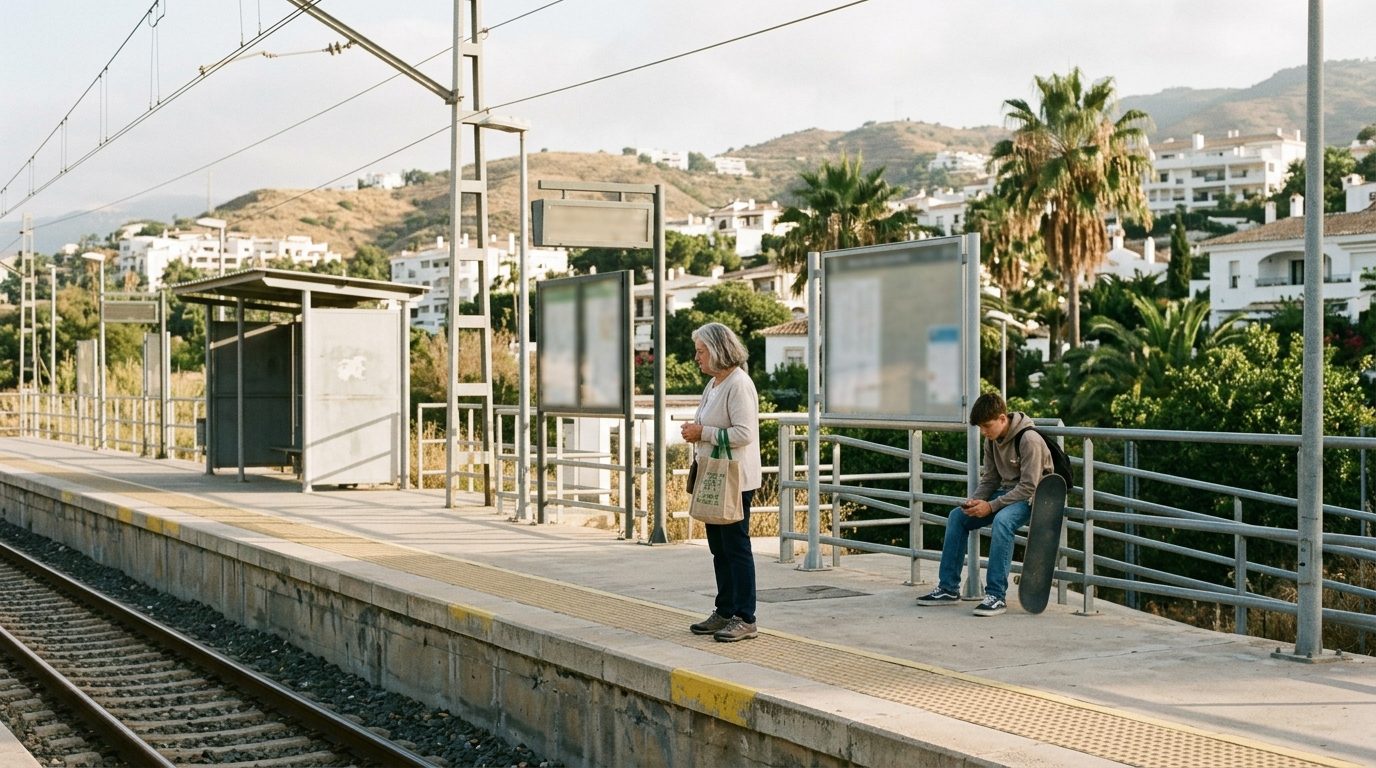
The train stops at Fuengirola. Beyond that, the coast depends on buses. Avanza runs frequent coaches between Málaga (bus station and airport) and Marbella, San Pedro de Alcántara and Estepona, as well as routes between Fuengirola and Marbella. Marbella and Estepona also have their own town bus services for local trips.
For daily commuting on the western coast, many people end up with a car. If that is you, read our guides to driving licence rules in Spain and car insurance for expats.
Abono Único: one pass for trains and state coaches
In 2026 the Spanish government introduced the Abono Único, a personal 30-day pass with unlimited travel on Renfe Cercanías and Media Distancia trains and on the state-run interregional bus routes. According to the government’s announcement, it costs €60, or €30 for people under 26.
- Have your DNI or NIE, a mobile phone number and an email address ready.
- If you are under 26, register first with the Ministry of Transport to get the youth price.
- Buy the pass through a participating operator’s website, app, ticket office or machine.
- You receive a locator code. Enter it each time you book a journey, and the trip costs €0.
For someone who only uses the C-1 every day, the cheaper Cercanías monthly pass is usually enough. The Abono Único pays off if you also take regional trains, for example to Granada, Sevilla or Ronda. It does not cover city buses, the Metro or the Consorcio buses.
Which ticket should you choose?
| How you travel | Best option to check first |
|---|---|
| Occasional trips, visitors | Contactless bank card on the train and Metro, Consorcio card on buses |
| Daily commute on the C-1 | Renfe monthly Cercanías pass |
| Regular bus trips between towns | Consorcio card (Tarjeta Joven if under 30) |
| Trains plus regional trips across Andalucía | Abono Único |
| Málaga to Marbella or Estepona | Avanza coach tickets, bought online in advance |
Young people should also look out for the summer Verano Joven scheme, which in recent years has given big discounts on train and coach tickets across Spain. For a broader view of monthly costs, see our guide to the cost of living in Spain.
Useful links
- Renfe Cercanías Málaga – timetables, service alerts and passes
- Consorcio de Transporte Metropolitano del Área de Málaga – card, fares, lines and sales points
- Metro de Málaga timetables and fares (PDF)
- Avanza coaches to and from Málaga
- Airports in Spain and how to get into town
- Moving to Málaga city
- Fuengirola for newcomers
FAQ: public transport on the Costa del Sol
Can I get from Málaga airport to Fuengirola by train?
Yes. The airport has its own station on the C-1 Cercanías line, which runs west to Torremolinos, Benalmádena and Fuengirola and east to the centre of Málaga.
Is there a train to Marbella?
No. The train line ends in Fuengirola. Marbella, San Pedro and Estepona are reached by coach, mainly with Avanza.
Do I need to be a resident to get the Consorcio card?
The standard rechargeable card can be bought at sales points without residency. Personal cards such as the Tarjeta Joven or the large-family card require an application with your personal details.
Are trains still free in Málaga?
No. Free Cercanías passes ended in 2025. Regular travellers now use discounted monthly passes or the Abono Único.
Disclaimer: This article is general information only. Fares, passes, timetables and routes change often – always check with the transport operator before you travel or buy a pass.
Tourist Info
Ronda: a day trip from the coast and a place to live
How to get to Ronda from Málaga and Marbella, what to see in a day, and what living in this inland mountain town is really like.

Updated: October 2026
Ronda sits on a rocky plateau in the mountains behind the Costa del Sol, split in two by a deep gorge. It is one of the most popular day trips from Málaga and Marbella, and a growing number of foreigners also choose it as a quieter, cooler place to live. This guide covers how to get there, what to see in a day and what to consider before moving.
Getting to Ronda
By car
Driving is the most flexible option. From Málaga the trip takes roughly an hour and a half on inland roads. From Marbella and San Pedro de Alcántara, the A-397 climbs through the Serranía de Ronda; it is scenic but has many bends, so allow extra time and take care in fog or rain. Parking in the centre is limited, so use one of the public car parks and walk.
By bus
Several companies run direct coaches between Málaga and Ronda every day. The fastest take about an hour and a half, while others stop more often and take two hours or more. There are also buses from the western Costa del Sol. Check the timetable for the last bus back if you are visiting for the day.
By train
There is no direct train from Málaga to Ronda. Normally you change at Antequera, but the railway between Antequera and Ronda has been affected by long-running track renewal works, and in autumn 2026 Renfe was using a replacement bus on that section. Check Renfe for the current situation and book the whole journey as one ticket.
What to see on a day trip
Ronda’s centre is compact, so you can see the main sights on foot in a day. Wear comfortable shoes, as some paths are steep and cobbled.
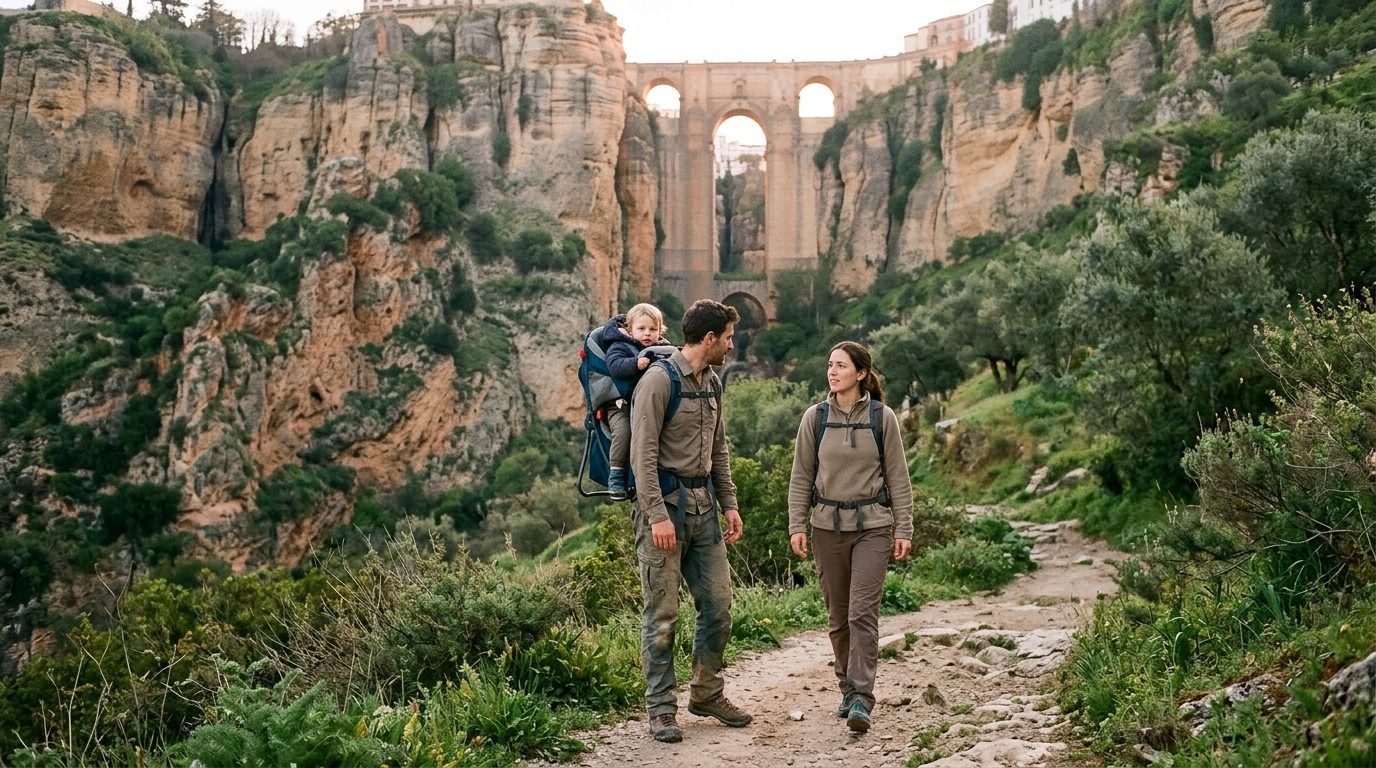
- Puente Nuevo: the 18th-century bridge over the Tajo gorge, rising nearly 100 metres above the Guadalevín river. A small interpretation centre inside the bridge, in a room above the central arch, explains its history.
- The viewpoints: walk along the Alameda del Tajo and the cliff-top paths for views across the valley, then follow the path down towards the old mills for the classic view of the bridge from below.
- La Ciudad: the old Moorish town south of the gorge, with palaces, churches, the old walls and quiet squares.
- The Arab baths: well-preserved medieval bathhouse ruins near the old bridges at the bottom of the town.
- The bullring: one of the oldest in Spain, with a museum. Ronda is closely linked to the history of bullfighting.
- Casa del Rey Moro gardens: terraced gardens with a long stairway cut into the rock down to the river.
Ronda is also the centre of a wine area with small wineries in the surrounding hills, many of which offer tours. Our guide to wine regions of Spain is a good introduction. If you have more time, nearby villages such as Setenil de las Bodegas and the Grazalema and Sierra de las Nieves natural areas make excellent extensions.
When to visit
Spring and autumn are ideal for walking, with green hills and mild days. Summer days are hot but evenings are usually fresher than on the coast. Winter is clearly colder than Málaga, with frosty nights and occasional snow on the surrounding peaks. Weekends and bank holidays bring coach tours, so a weekday visit or an overnight stay lets you enjoy the town when it is quieter. In early September the town celebrates its feria, which includes the traditional Goyesca events.
Living in Ronda: what to expect
Ronda appeals to people who want a real Andalusian town, mountain scenery and lower property prices than the coast, while still being within reach of the beach and Málaga airport. It is a market town that serves the whole Serranía, with a public hospital, schools, supermarkets and local services.
Things to consider
- A car is almost essential: public transport to the coast is limited, and many homes are in the countryside. Read our guides to the Spanish driving licence and car insurance.
- Spanish matters: the international community is much smaller than on the coast, so daily life, paperwork and medical visits are mostly in Spanish.
- Heating counts: winters are cold, so check insulation, heating type and running costs before you buy or rent.
- Countryside properties: rural homes (fincas and cortijos) can come with issues such as access roads, water supply and planning status. Use an independent lawyer before buying.
- Work: the local economy is based on tourism, agriculture and services, so remote work or a pension is common among foreign residents.
Once you have an address, register on the padrón at the town hall; it gives you access to local services and is needed for many other procedures. For contracts and tenant rights, see our guide to renting in Spain as a foreigner.
Useful links
- Puente Nuevo and its interpretation centre (Sierra de las Nieves)
- Ronda’s municipal tourist office publishes opening times for monuments on its website, turismoderonda.es.
- Andalucía guide: cities, culture and life in southern Spain
- Marbella guide: areas, beaches and everyday life
FAQ: Ronda
Is one day enough for Ronda?
One day is enough for the bridge, the old town and the viewpoints. Stay a night if you want to visit wineries, walk in the surrounding hills or see the town after the day visitors leave.
Can I get to Ronda without a car?
Yes. Direct buses run from Málaga several times a day. There is no direct train, and the rail section from Antequera has been served by a replacement bus during works, so check Renfe before relying on it.
Is Ronda a good place to live for foreigners?
It suits people who want a quieter, more traditional life and mountain scenery. Expect cold winters, fewer English speakers and a need for a car.
Is the road from Marbella to Ronda dangerous?
It is a good mountain road but has many bends. Drive calmly, avoid overtaking on curves and take extra care at night or in fog.
Disclaimer: This article is general information only. Transport timetables, rail works, opening times and prices can change – always check with the operator or official source before you travel, and get independent legal advice before buying property.
Tourist Info
Córdoba guide: the Mezquita, the patios and life in the city
Visit Córdoba’s Mezquita with the official ticket rules, see the May patios and learn about neighbourhoods, transport from Málaga and the summer heat.
Updated: October 2026
Córdoba is smaller and calmer than Seville or Málaga, but it has one of the most remarkable buildings in Europe and a flower festival that draws visitors from all over Spain. This guide is for newcomers who want to visit from the coast or are considering a move. You will find the official rules for visiting the Mezquita, how the patios work, which neighbourhoods to know and how to get there from Málaga.
The Mezquita-Catedral: what to know before you go
The Mosque-Cathedral began as a great mosque in the Umayyad era and later had a Christian cathedral built in its centre. Its forest of columns and red-and-white arches is unforgettable. It is still an active place of worship, so dress respectfully and expect some areas or times to change on religious feast days.
Tickets according to the official site
The official tickets and opening hours page listed the following in October 2026. Always check it again before you go.
| Ticket | Price listed |
|---|---|
| Mosque-Cathedral, general | €15 |
| Reduced (over 65, students 15–26, Youth Card) | €12 |
| Children 10–14 | €8 |
| Bell tower | €4 |
| Night visit “The Soul of Córdoba” | €25 |
- Free for residents: people born in or living in the Diocese of Córdoba enter free, as do children under 10. Bring proof such as your ID and padrón certificate.
- Free early-morning entry: Monday to Saturday from 8:30 to 9:30, entry is free for individual visitors. Groups are not allowed in this slot, and access closes at 9:20.
- Last entry: half an hour before closing. Opening hours vary by date and are shown in a calendar tool on the official page.
- Buying: buy online through the official ticket site or at the information centre in the San Eulogio courtyard. Avoid unofficial resellers.
The bell tower climb is done in timed groups and has limited space, so book it at the same time as your main ticket if you want the view over the old town.
The patios of Córdoba
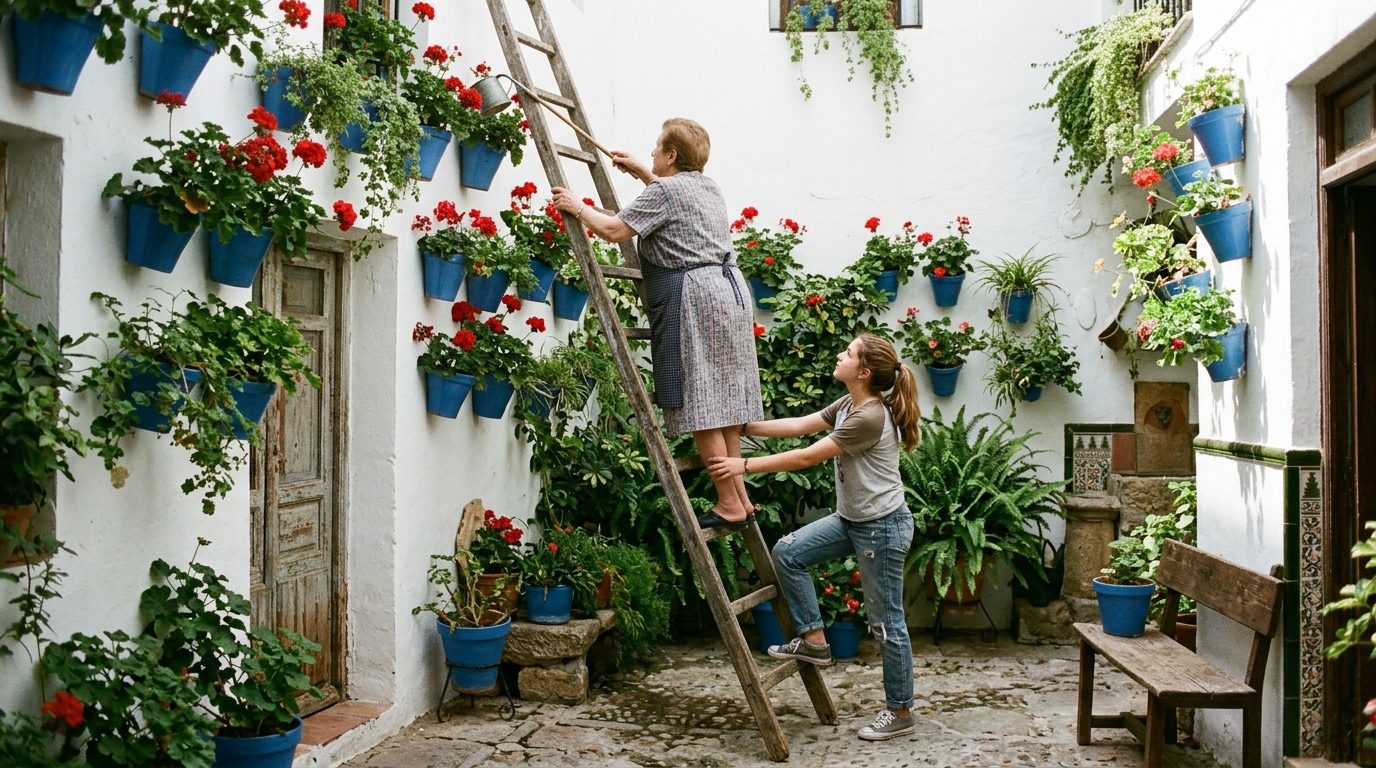
Córdoba’s courtyard houses are filled with hundreds of potted plants, mostly geraniums, hanging on whitewashed walls around a well or fountain. Every May the city holds the Festival de los Patios, when private owners open their courtyards to the public and compete for prizes. The festival is recognised by UNESCO as Intangible Cultural Heritage.
- When: usually the first two weeks of May. In 2026 it ran from 4 to 17 May. Dates for the next edition are announced by the city council in spring.
- Cost: visiting the competing patios is generally free, with opening hours split into a morning and an evening session. Queues can be long at weekends.
- Where: the patios are grouped in old neighbourhoods such as San Basilio (Alcázar Viejo), Santa Marina, San Lorenzo and the Judería, with an official map published for each edition.
- Outside May: the Palacio de Viana, with its many courtyards, is open year-round, and some patios in San Basilio also open outside the festival.
For practical tips on routes and timings, this long-running Andalucía guide to the patios is a useful overview. May is also the month of the Cruces de Mayo and Córdoba’s feria, so book accommodation early. See our guide to Spanish festivals for more.
Neighbourhoods and what else to see
- Judería: the old Jewish quarter around the Mezquita, with narrow lanes, the synagogue and the Calleja de las Flores. Lovely to explore, busy with visitors, not ideal for daily life.
- San Basilio and the Alcázar: home to the Alcázar de los Reyes Cristianos with its terraced gardens, and some of the most famous patios.
- Centro and Las Tendillas: the commercial heart, with shops, offices and the Plaza de la Corredera nearby.
- Santa Marina and San Lorenzo: traditional, less touristy barrios with churches, taverns and a strong neighbourhood life.
- Ciudad Jardín and the newer districts: practical residential areas with flats, schools and shops, often better value for renters.
Do not miss the Roman bridge over the Guadalquivir, best at sunset, and the ruins of Medina Azahara, a 10th-century palace city just outside Córdoba and a UNESCO World Heritage Site. Local food is worth the trip on its own: try salmorejo, flamenquín and the wines of nearby Montilla-Moriles. Our guide to Spanish cheese and olive oil covers the region’s famous oils.
Getting to Córdoba from Málaga
- Train: the fastest option. High-speed trains between Málaga and Seville or Madrid stop in Córdoba, and the journey takes around an hour. This makes Córdoba one of the easiest day trips from the coast.
- Car: the drive takes roughly two hours via Antequera. The historic centre has restricted access and narrow streets, so park outside it.
- Bus: coaches connect the two cities and are cheaper but slower than the train.
The train station is a walk or short bus ride from the old town. Inside the historic centre, walking is the easiest way to get around.
When to go and living with the heat
Spring is the classic season, with orange blossom, the patios and comfortable temperatures. Autumn is also pleasant and quieter. Córdoba is one of the hottest cities in Spain in summer, often well above 40°C in July and August, so plan sightseeing for early morning or evening and read our heatwave safety guide. Winters are mild in the day but cold at night, and many older homes lack proper heating.
If you are thinking of moving, Córdoba offers a quieter pace, a traditional Andalusian lifestyle and generally lower housing costs than the coast. Fewer people speak English, and the job market is smaller than in Málaga or Seville. Once you have an address, register on the padrón; it is also what proves you live in the diocese for free Mezquita entry.
Useful links
- Mezquita-Catedral: official tickets and opening hours
- The patios of Córdoba: practical overview
- Andalucía guide: cities, culture and life in southern Spain
- Cost of living in Spain by region
FAQ: Córdoba, the Mezquita and the patios
Is the Mezquita free at any time?
Yes. The official site lists free entry for individual visitors from 8:30 to 9:30, Monday to Saturday, without groups. Residents of the Diocese of Córdoba and children under 10 enter free at any time.
Can I visit Córdoba as a day trip from Málaga?
Yes. With high-speed trains taking about an hour, a day is enough for the Mezquita, the Judería and the Roman bridge. Add a night if you want to see Medina Azahara too.
Do I need tickets for the patios festival?
Visiting the competing patios is generally free, though queues can be long. Check the city council’s programme each spring for dates, opening times and any changes.
When should I avoid visiting Córdoba?
July and August are extremely hot. If you must go then, visit monuments early in the morning and rest indoors in the afternoon.
Disclaimer: This article is general information only. Ticket prices, free-entry rules, festival dates and opening times can change – always check the official Mezquita-Catedral and Córdoba city websites before you travel.








Estepona: living in the garden of the Costa del Sol

Public transport on the Costa del Sol: trains, buses and travel cards

Pharmacies in Spain: how they work and what they can help with

Andalucía guide: cities, culture and life in southern Spain

Understanding the tax system in Spain

Marbella guide: areas, beaches and everyday life








-

 Tourist Info2 years ago
Andalucía guide: cities, culture and life in southern Spain
-
Banking & Finances2 years ago
Understanding the tax system in Spain
-
Tourist Info2 years ago
Marbella guide: areas, beaches and everyday life
-
Cost of Living2 years ago
Living on a small salary in Spain in 2026
-
Legal Requirements & Documentation2 years ago
How to get your Spanish NIE number in 2026 – step by step
-
Legal Requirements & Documentation2 years ago
Work visa and work permit in Spain 2026 – which one you need and how to apply
-
Tourist Info2 years ago
Benalmádena explained: Pueblo, Arroyo de la Miel and the coast
-
Legal Requirements & Documentation2 years ago
Residency in Spain 2026: how to become a legal resident – step by step