Pets
Dog beaches on the Costa del Sol: where your dog is allowed
Where dogs are allowed on beaches in Málaga province, the rules on dog beaches and how to keep your dog safe by the sea.








Updated: October 2026
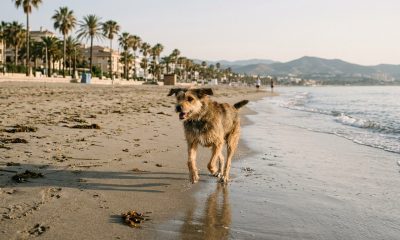
Taking your dog to the beach is one of the joys of living on the Costa del Sol – but on most Spanish beaches dogs are not allowed, at least not in the bathing season. The good news: several towns have designated dog beaches (playas caninas), and outside the summer some local rules are more relaxed. Here is where you can go and what the rules are.
The basic rule: no dogs on normal bathing beaches
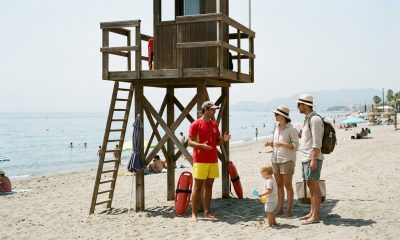
Town halls set the beach rules through local bylaws (ordenanzas). On almost every beach in Málaga province, dogs are banned during the bathing season, which usually runs from around June to September, and many towns keep the ban all year. Fines can be issued by the local police. Always check the signs at the beach entrance – they show the local rule.









Dog beaches in Málaga province
These dog beaches were listed as operating in 2026. Rules, opening periods and even locations change from year to year, so check the town hall’s website before you go.
- Málaga / Rincón de la Victoria – Arroyo Totalán, near La Araña, east of Málaga city.
- Vélez-Málaga – dog beach in Torre del Mar.
- Torrox – Torrox dog beach.
- Benalmádena – El Carvajal area. The former Arroyo Hondo dog beach has been closed.
- Fuengirola – next to Sohail Castle.
- Marbella – El Pinillo and Ventura del Mar.
- Casares – Piedra Paloma.
Mijas’ former dog beach has been closed for years, so dog owners in Mijas usually go to Fuengirola or Benalmádena.
Rules on dog beaches
- Your dog must be microchipped, vaccinated and registered – carry the documents or the pet passport.
- Keep the dog under control at all times; some beaches require a lead, and many require a muzzle for dogs over 20 kg or classed as potentially dangerous.
- Pick up after your dog – bags and bins are usually provided.
- Sick, aggressive or female dogs in heat are not allowed.
- Many dog beaches are marked as not suitable for human bathing.
Keeping your dog safe at the beach
- Heat: sand and promenades get very hot in summer. Go early in the morning or in the evening, bring shade and fresh water.
- Salt water: stop your dog drinking sea water and rinse the coat with fresh water afterwards.
- Jellyfish and weever fish: both sting. If your dog yelps after stepping in shallow water or picking something up, rinse with sea water and call a vet.
- Leishmaniasis: sandflies are most active at dusk in the warm months. Ask your vet about a vaccine or a repellent collar.
If your dog causes damage or an accident, third-party liability insurance helps. Providers such as Petplan (ad) offer pet insurance in Spain – see our guide to pet insurance.
Dog-friendly alternatives
- Dog parks (parques caninos) in most towns, often with fenced areas for off-lead play.
- Riverbeds and paths inland, for example in the hills above Mijas, Benalmádena and Marbella.
- Many beach bars (chiringuitos) and terraces welcome well-behaved dogs – ask first.
More pet guides and a list of local shelters: Pets in Spain.








FAQ: dogs on Costa del Sol beaches
Can I take my dog on the beach in winter?
It depends on the town. Some allow dogs outside the bathing season, many ban them all year. Check the sign at the beach entrance or the town hall’s bylaw.
Is there a dog beach in Málaga city?
The nearest is at Arroyo Totalán, on the border between Málaga and Rincón de la Victoria, east of the city.
Do I need a muzzle on a dog beach?
For potentially dangerous breeds, yes. Many dog beaches also require a muzzle for dogs over 20 kg. Follow the rules on the sign.
Disclaimer: Beach rules are set by each town hall and change. This article is general information – check the current rules with the town hall before you go. Links marked “(ad)” are affiliate links – NewInSpain may earn a commission at no extra cost to you.