Tourist Info
Marbella guide: areas, beaches and everyday life
Marbella beyond the glamour: its old town, Puerto Banús, San Pedro, beaches, getting around without a train and what living there is really like.










Updated: October 2026
Marbella is the best-known name on the Costa del Sol, but the town is far more varied than its yachts-and-beach-clubs image. This guide is for visitors and people thinking of moving there: it explains the different areas, the beaches, how to get around and what everyday life costs and feels like.
Marbella in brief
Marbella lies in the west of Málaga province, between the Mediterranean and the Sierra Blanca mountains, which protect it from cold northern winds and give it a mild climate all year. The municipality stretches for more than 25 kilometres along the coast and includes several quite different districts, from a historic old town to modern golf valleys.











The area has Phoenician and Roman roots and was a walled Moorish town for centuries. Its modern history began in the 1950s and 1960s, when it turned into an international resort. Today it is a year-round town with a large resident population of many nationalities, not just a summer destination.
The main areas of Marbella
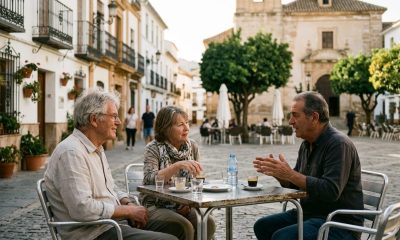
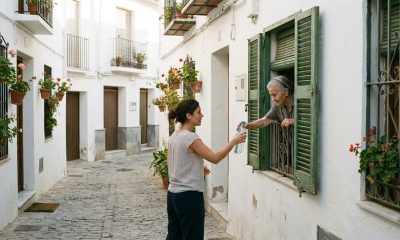
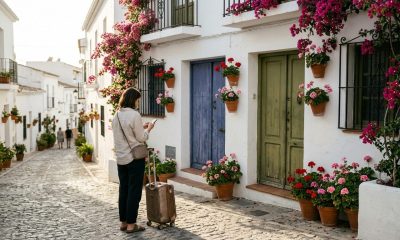
- Casco Antiguo (old town): narrow whitewashed streets around the Plaza de los Naranjos, with remains of the Moorish castle walls, small churches and plenty of restaurants. Charming, but parking is hard and some streets are noisy at night.
- Town centre and seafront: the Avenida del Mar with its Dalí sculptures, the Alameda park and the long promenade. Practical for living, with shops, schools and services within walking distance.
- Golden Mile (Milla de Oro): the strip west of the centre towards Puerto Banús, with luxury hotels, villas and gated complexes.
- Puerto Banús and Nueva Andalucía: the marina with designer shops and nightlife, and behind it the “golf valley” of Nueva Andalucía, popular with families and international buyers.
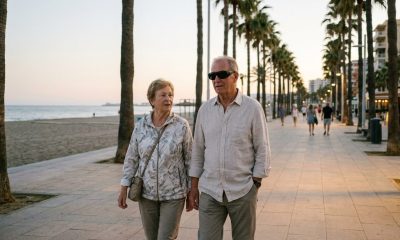
- San Pedro Alcántara: part of Marbella municipality but with its own town feel, a wide pedestrian boulevard to the beach and somewhat lower prices.
- East Marbella (Las Chapas, Elviria, Cabopino): quieter residential areas with pine woods, dunes and urbanisations. You will usually need a car.
Beaches and the outdoors
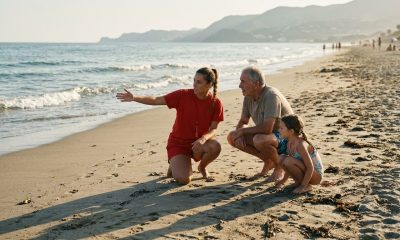
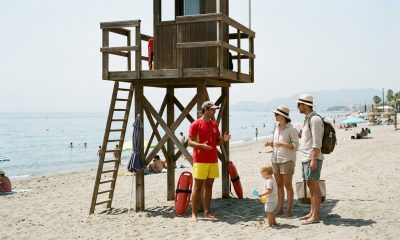
Central beaches such as La Fontanilla and El Faro are easy to reach and have sunbeds, chiringuitos (beach restaurants) and lifeguards in season. Towards the east, Cabopino is backed by the protected Artola dunes and feels much wilder. A seafront promenade lets you walk or cycle for many kilometres, much of the way from the centre to Puerto Banús.
Inland, the Sierra Blanca offers walks with sea views, including the climb to La Concha, which is steep and best done in cooler months with plenty of water. The Sierra de las Nieves National Park and white villages like Ojén and Istán are a short drive away.
Getting to and around Marbella
- Airport: Málaga airport is the nearest, around 45 minutes by car outside rush hour. Direct coaches run from the airport to Marbella bus station; Gibraltar airport is another option for the western side.
- No train: Marbella has no railway station. The Cercanías line from Málaga ends in Fuengirola, from where buses continue west.
- Roads: the coast has a free road (A-7) and a toll motorway (AP-7). In summer, the A-7 is often congested, so allow extra time.
- Local buses and taxis: urban buses connect the centre, Puerto Banús and San Pedro. For the eastern urbanisations and the hills, most residents rely on a car.
Culture, food and festivals
Beyond the beach, the old town has small museums such as the Museo del Grabado Español (Spanish prints), and the Ralli Museum on the Golden Mile shows Latin American and European art. Look out for exhibitions at the cultural centres and concerts in the summer season.









Food ranges from simple espetos (sardines grilled on a cane over embers) at beach bars to fine dining and international restaurants. For everyday shopping, locals use the municipal markets and the weekly street markets rather than the boutiques of Puerto Banús.
The main town festival is the Feria de San Bernabé around 11 June, the patron saint’s day. San Pedro Alcántara celebrates its own feria in October, and Semana Santa processions fill the old town in spring.
Living in Marbella: what to expect
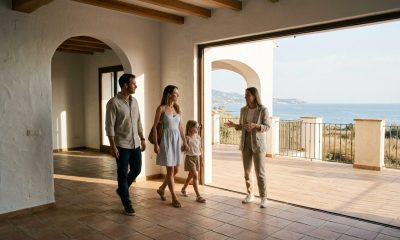
- Housing: one of the most expensive markets in Andalucía, especially for long-term rentals in summer. San Pedro and the town centre are usually cheaper than Nueva Andalucía or the Golden Mile.
- International community: many nationalities, international schools and English-speaking services, which makes the start easier but can slow down learning Spanish.
- Seasons: busy and loud in July and August, much calmer from November to March, when some beach businesses close.
- Paperwork: register on the padrón at the town hall once you have an address; you need it for many other steps, including residency and healthcare.
If you are buying, read our guide to property taxes for foreign owners. If you work remotely, the wider Málaga area is covered in our guide for digital nomads in Málaga.
Useful links
- Marbella municipal tourist office (Glorieta de la Fontanilla)
- Andalucía Tourist Board (Turismo Andaluz)
- Renting in Spain as a foreigner
- Property taxes for foreign owners
- How to build a social life in Spain
FAQ: Marbella
Can I reach Marbella by train?
No. Marbella has no railway station. Take the coach from Málaga airport or bus station, or the train to Fuengirola and a bus from there.
Is Puerto Banús a separate town?
No. Puerto Banús is a marina and district within Marbella municipality, between Nueva Andalucía and San Pedro Alcántara.
Which area of Marbella is best for families?
Many families choose San Pedro Alcántara, Nueva Andalucía or the town centre for schools and services. East Marbella is quieter but car-dependent.
Is Marbella busy all year?
It is lively all year because many people live there permanently, but July and August are by far the busiest months. Winter is calm and mild.
Disclaimer: This article is general information only. Prices, timetables and opening times can change – always check with the official source before you travel or make decisions.