Cultural
Sustainable living in Spain: practical eco tips for expats
How to recycle the Spanish way, cut energy bills in a hot climate, get around without a car and shop more sustainably after moving to Spain.









Updated: October 2026
Moving to Spain is a good moment to set up greener habits from day one. This guide is for newcomers who want to lower their footprint and their bills at the same time. You will learn how the Spanish recycling system works, how to keep a home cool without running the air conditioning all day, how to get around by train, bus and bike, and where to shop more sustainably.
How recycling works in Spain
Most Spanish towns use large street containers rather than household bins, colour-coded by type of waste. Under the national waste law (Ley 7/2022), town halls have had to add separate collection of organic waste, so the brown bin is now common in most areas. The exact system varies by municipality, so check your ayuntamiento’s website.








| Container | What goes in |
|---|---|
| Yellow | Packaging: plastic bottles and wrappers, cans, drink cartons, foil trays |
| Blue | Paper and cardboard (flatten boxes) |
| Green (igloo shape) | Glass bottles and jars, without lids |
| Brown | Food scraps and other organic waste |
| Grey or dark green | Everything else (resto) |
- Medicines: take old medicines and their packaging to the SIGRE collection point found in most pharmacies.
- Punto limpio: every area has a recycling centre for electronics, batteries, paint, cooking oil, furniture and other bulky items. Many towns also offer free pick-up of large items (recogida de enseres) if you book it.
- Textiles: clothing containers, often run by charities, are increasingly common on the street and at supermarkets.
Save energy in a hot climate
In much of Spain the biggest energy challenge is summer heat. Spanish homes are built with this in mind, and using them the traditional way saves a lot of electricity.
- Use the shutters: close persianas and awnings on the sunny side in the morning, and open windows at night to let cool air through.
- Fans first: ceiling and standing fans use far less power than air conditioning. If you use AC, set it around 25 to 27 degrees rather than very low.
- Shift your usage: most household electricity contracts have time-of-use periods, with the cheapest hours at night and at weekends. Run the washing machine and dishwasher then.
- Check the energy certificate: when renting or buying, the certificado energético shows how efficient the property is. A better rating usually means lower bills.
- Green electricity: many suppliers sell certified renewable electricity, including cooperatives such as Som Energia. Compare the price per kWh and the fixed power charge, not only the green label.
If you own your home, rooftop solar for self-consumption (autoconsumo) is widespread in Spain. Some town halls offer discounts on property tax for installing panels, so ask your ayuntamiento. Our guide to property taxes for foreign owners explains how IBI works.
Get around without a car
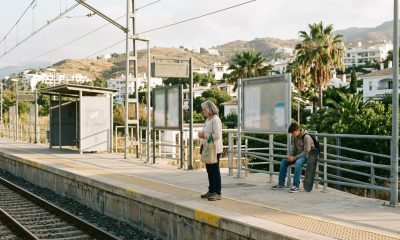
Spain has an extensive rail network, from high-speed lines between major cities to local Cercanías trains around Madrid, Barcelona, Málaga, Valencia and other areas. Long-distance coaches cover towns without a station, and most cities have good bus networks.
- Look at season tickets: regional transport consortia and Renfe offer passes and multi-trip cards that are much cheaper than single tickets for regular commuters.
- Cycle: many cities have bike lanes and public bike-sharing schemes you can join with a monthly or annual subscription.
- Know the scooter rules: e-scooters must follow traffic rules, cannot be ridden on pavements and are increasingly regulated by each town hall. Some public transport operators restrict them on board.
- Low-emission zones: larger towns have introduced low-emission zones (ZBE) that limit older cars. If you bring or buy a car, check its DGT environmental sticker and your town’s rules.
Shop and eat more sustainably
- Use the municipal market: almost every town has a mercado municipal and weekly street markets with local, seasonal produce. Bring your own bags and containers.
- Look for “ecológico”: certified organic products carry the EU organic logo and the word ecológico or “eco” on the label.
- Ask for tap water: bars and restaurants must offer tap water free of charge, so you can skip bottled water when eating out. At home, a filter jug helps if you dislike the taste of hard water.
- Buy second-hand: apps such as Wallapop, charity shops (many run by animal shelters) and local rastros (flea markets) are good for furniture and household items when you first move.
- Save water: much of Spain faces recurring drought, and some areas impose restrictions on filling pools or watering gardens. Follow local notices.
Get involved locally
Beach clean-ups, community gardens (huertos urbanos) and local environmental groups are a good way to meet like-minded people while doing something useful. See our guide to volunteering in Spain for how to find them.








Useful links
- Renfe – national rail operator, timetables and passes
- Som Energia – renewable energy cooperative
- Ecologistas en Acción – environmental groups across Spain
- Renting in Spain as a foreigner
- Property taxes for foreign owners in Spain
FAQ: sustainable living in Spain
Which bin does a plastic bottle go in?
The yellow container, together with cans, drink cartons and other packaging. Glass bottles go in the green igloo.
Where do I take old electronics or furniture?
To your local punto limpio, or book the town hall’s free collection of bulky items. Shops selling new appliances usually have to take back the old one when they deliver.
When is electricity cheapest?
On most household contracts the cheapest period is at night and at weekends. Check your bill or contract for the exact time bands.
Can I ask for free tap water in a restaurant?
Yes. Hospitality businesses must offer tap water free of charge, although you may be asked if you prefer bottled water.
Disclaimer: This article is general information only. Recycling systems, tariffs and local rules vary by town and can change – always check with your town hall or the official source before you act.