Cultural
Volunteering in Spain: how expats can get involved in their local community
Where expats can volunteer in Spain, how to find a role, what the volunteering law requires and how to make the most of it for language and friendships.









Updated: October 2026
Volunteering is one of the quickest ways to stop feeling like a visitor and start feeling part of a Spanish town. This guide is for newcomers who want to give some time each week or month, whether you are retired, working remotely or between jobs. You will find the main types of volunteering, where to look for roles, what Spanish volunteering law means for you and practical tips for getting started.
Why volunteering works so well for expats
Volunteering puts you side by side with local people on a shared task, which makes conversation easy even when your Spanish is basic. You learn everyday vocabulary, see how local institutions work and meet people you would rarely cross paths with in expat circles. Regular shifts also give your week a structure, which helps a lot in the first months after a move.









- Language practice: real conversations rather than classroom phrases
- Friendships: a ready-made group of people who share your values
- Local knowledge: tips on everything from doctors to the best market stalls
- Experience: a Spanish reference or certificate that can help when job hunting
Types of volunteering you can do
Social support
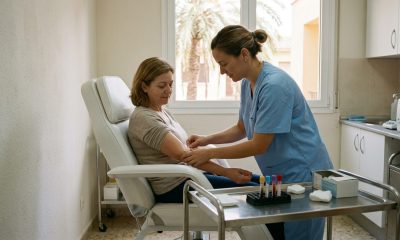
Large organisations such as Cruz Roja (the Spanish Red Cross), Cáritas and many local associations run programmes for older people living alone, migrants and refugees, people experiencing homelessness and children who need help with homework. Native English speakers are often welcome for language support activities.
Food banks
Each province has a food bank (banco de alimentos) that needs volunteers in its warehouse and during big supermarket collection campaigns, usually in late autumn. Shifts are flexible and little Spanish is needed to sort and pack food.
Environment and nature
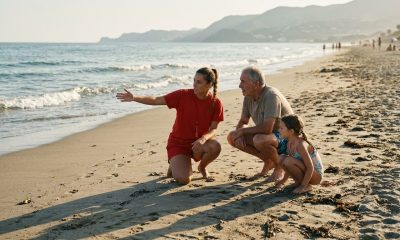
Beach and river clean-ups, tree planting, bird counts and campaigns run by groups such as Ecologistas en Acción take place across the country, often at weekends. They are a relaxed way to try volunteering for a day.
Animal welfare
Animal shelters (protectoras) rely on volunteers for dog walking, cleaning, fundraising and fostering. Search for “protectora de animales” plus your town to find the nearest ones.








Culture, sport and events
Town halls, marathons, film festivals and local fiestas recruit volunteers for information points, registration desks and logistics. These one-off roles are a good way to meet many people quickly.
How to find a volunteering role
- Search national portals such as hacesfalta.org, where you can filter opportunities by province and type of activity.
- Ask your town hall. Many ayuntamientos have a volunteering office or a list of registered associations, often under the social services or citizen participation department.
- Contact organisations directly. Most have a “hazte voluntario” form on their website and hold short information sessions for new volunteers.
- Use local networks. Libraries, cultural centres, language schools and expat groups on social media regularly share calls for help.
- Try a one-day activity first, such as a clean-up or food collection, before committing to a weekly role.
What Spanish volunteering law means for you
Volunteering in Spain is regulated by the national volunteering law (Ley 45/2015, del Voluntariado), and some regions have their own rules as well. In practice this means a few things for new volunteers:
- It is unpaid, but the organisation can reimburse expenses linked to the activity, such as transport.
- Written agreement: you normally sign an agreement (acuerdo de incorporación) setting out your tasks, hours and rights.
- Insurance: the organisation must cover volunteers with insurance for accidents and civil liability during the activity.
- Working with children: roles in regular contact with minors require a certificate showing you have no convictions for sexual offences. The organisation will tell you how to request it.
- Young volunteers: people under 18 can volunteer with parental consent or authorisation, depending on their age.
Volunteering is not a substitute for a work permit. If you are a non-EU citizen, make sure the role is genuinely unpaid and does not replace a paid job, and check how it fits with your residence status. Our guides to becoming resident in Spain and visas and work permits explain the basics.
Tips for a good start
- Be realistic about the time you can give. A reliable two hours a week is worth more than an ambitious plan you cannot keep.
- Have your NIE or passport ready, as most organisations register volunteers formally.
- Tell the coordinator if you want to practise Spanish; they can pair you with local volunteers.
- Say yes to the coffee after the shift. That is often where friendships begin.
Volunteering is one part of a wider social life. For more ideas, see our guide on how to build a social life in Spain and our tips on joining local clubs and associations.
Useful links
- Hacesfalta.org – national search engine for volunteering opportunities
- Cruz Roja Española – Spanish Red Cross volunteering
- Banco de Alimentos – food bank network
- Ecologistas en Acción – environmental campaigns and local groups
- Mental health support for expats in Spain
FAQ: volunteering in Spain
Do I need to speak Spanish to volunteer?
Not for every role. Food banks, clean-ups and animal shelters need little Spanish, while social support roles usually require at least a conversational level.
Will I be paid or get expenses?
Volunteering is unpaid by law, but organisations can reimburse costs linked to the activity, such as transport. Ask before you start.
Am I insured while volunteering?
Organisations must insure their volunteers for accidents and civil liability during the activity. Confirm this when you sign your volunteer agreement.
Why do I need a certificate to work with children?
Anyone in regular contact with minors, paid or unpaid, must show they have no convictions for sexual offences. The organisation will explain how to request the certificate.
Can I get a reference for my CV?
Yes. Most organisations can issue a certificate stating your tasks and hours, which is useful when applying for jobs in Spain.
Disclaimer: This article is general information only and is not legal advice. Requirements and opportunities vary by organisation and region – always check with the organisation and official sources before you start.