Tourist Info
Madrid for newcomers: neighbourhoods, transport and culture
A practical Madrid guide for newcomers: which neighbourhood suits you, how the transport card works, culture, day trips and the new rules on tourist flats.










Updated: October 2026
Madrid is Spain’s capital and its biggest job market, a city that runs late, eats out often and is easy to settle into. This guide is for people who have just moved or are planning to: how the neighbourhoods differ, how to get around, what to see and do, and the practical points that help in the first months.
Madrid in brief
Madrid sits on a high plateau in the centre of Spain, which gives it hot, dry summers and cold, sunny winters. It began as a Moorish fortress in the 9th century and became the royal capital in the 16th century. Today the city and its region are the economic heart of the country, with headquarters, universities, embassies and a large international population.











Unlike Barcelona, Valencia or Alicante, Madrid has only one official language, Spanish, which makes schooling and paperwork simpler for many newcomers.
Choosing a neighbourhood
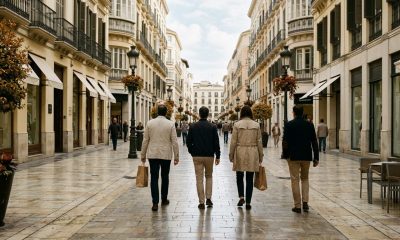
- Centro (Sol, La Latina, Lavapiés, Malasaña, Chueca): lively, walkable and full of bars. Great for the first months, but flats are small and nights can be noisy. Chueca is the heart of Madrid’s LGBTQ+ scene; Lavapiés is the most multicultural.
- Chamberí: classic residential Madrid with markets, terraces and good metro links. Popular with professionals and families.
- Salamanca and Retiro: elegant streets, upmarket shopping and easy access to Retiro Park. Among the most expensive areas.
- Arganzuela and Madrid Río: modern flats along the riverside park, good for runners, cyclists and families.
- Chamartín and Tetuán: near the business district in the north; Tetuán is more affordable and mixed.
- Suburbs (Pozuelo, Las Rozas, Majadahonda, Alcobendas): houses, gardens and international schools, with commuter trains or a car into the city.
Getting around
Madrid’s public transport is run as one network by the regional transport consortium (CRTM): metro, city buses (EMT), interurban buses, light rail and Cercanías commuter trains. Most residents use a personal Tarjeta Transporte Público loaded with a monthly Abono Transporte, which gives unlimited travel in the zones you choose. There are reduced passes for young people and older residents; check the current prices with the consortium before you buy.
- Airport: Madrid-Barajas is linked to the city by metro line 8, Cercanías trains from Terminal 4 and an express bus to the centre.
- Long distance: high-speed trains from Atocha and Chamartín reach Barcelona, Valencia, Seville, Málaga and many other cities in a few hours.
- Driving: low-emission zone rules apply in Madrid, so check your car’s environmental label before driving in. See our guide to driving licences in Spain if you are switching your licence.
Culture and things to do
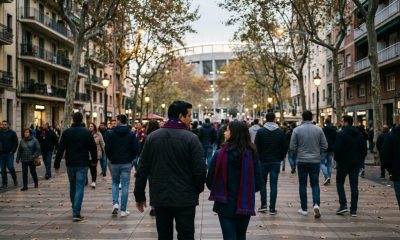
The Paseo del Prado and Retiro Park were together listed as a UNESCO World Heritage site in 2021. Along this boulevard you find the “golden triangle” of art: the Prado, the Thyssen-Bornemisza and the Reina Sofía, home of Picasso’s Guernica. Most museums have free-entry hours on certain days, which are worth looking up.
- Historic centre: the Royal Palace, Plaza Mayor and Puerta del Sol with its Kilometre Zero plaque.
- Markets: El Rastro flea market on Sunday mornings in La Latina, and neighbourhood food markets such as San Antón, San Fernando or Vallehermoso.
- Football: Real Madrid play at the Santiago Bernabéu and Atlético de Madrid at the Metropolitano.
- Festivals: San Isidro, the city’s patron saint, on 15 May; Madrid Pride in early summer; and neighbourhood fiestas such as San Cayetano, San Lorenzo and La Paloma in August.
- Food: cocido madrileño (chickpea stew) in winter, bocadillo de calamares near Plaza Mayor and chocolate con churros at any time of year.
Day trips from Madrid
Several UNESCO-listed cities are within an hour or so: Toledo, Segovia with its Roman aqueduct, Alcalá de Henares and the monastery of El Escorial. In summer, the Sierra de Guadarrama National Park north of the city offers cooler hiking.









Housing and practical tips
Rents in central Madrid are high and good flats go fast. Many newcomers start with a short let or a room in a shared flat while they look. Read our guide to renting in Spain as a foreigner before signing a contract.
If you plan to invest in holiday lets, be aware of Madrid’s Plan Reside, approved by the regional government in August 2025. It bars new tourist flats inside residential buildings in the historic centre and sets stricter conditions elsewhere in the city. Always check the urban planning status of a property before you buy.
- Register on the padrón at your local council office once you have an address.
- Book appointments for foreigner procedures early; slots can be scarce. Our guide to becoming resident in Spain explains the steps.
- Expect a late rhythm: lunch around 14:00–15:30, dinner from 21:00, and many shops open until 21:00 or later.
- Summers are very hot; August is quiet as many locals go away.
Useful links
- esMadrid: official tourism website of Madrid
- Comunidad de Madrid: Regional Transport Consortium (CRTM)
- Idealista news: Plan Reside approved (Spanish)
- The Spanish job market
- Renting in Spain as a foreigner
- How to become resident in Spain
FAQ: Madrid
Which area of Madrid is best for newcomers?
Chamberí and Arganzuela are popular for balance between liveliness and quiet. Malasaña or Lavapiés suit those who want nightlife, while families often look at Retiro or the suburbs.
How do I pay for public transport in Madrid?
Get a personal public transport card and load it with a monthly pass if you travel daily, or with single and multi-trip tickets if you travel occasionally. Reduced passes exist for young and older people.
Can I still open a tourist flat in central Madrid?
Under Plan Reside, new tourist flats are no longer allowed inside residential buildings in the historic centre. Rules differ by area, so get professional advice before buying for that purpose.
When is the best time to visit Madrid?
Spring and autumn are the most comfortable. Summer is very hot and winter can be cold, though usually sunny.
Disclaimer: This article is general information only and is not legal advice. Fares, opening times and housing rules can change – always check with the official source before you act.