Cultural
Community events and festivals: how expats can connect in Spain
Fiestas, ferias, markets and neighbourhood events are the easiest way into Spanish community life. Here is how to find them and join in as a newcomer.









Updated: October 2026
In Spain, much of social life happens in public: in the plaza, at the local fiesta, at the weekly market. For newcomers, these events are an open door into the community, because nobody needs an invitation. This guide explains the main types of community events, how to find out what is on in your town, how to join in rather than just watch, and a few practical tips for big celebrations.
Why local events matter when you are new
Spanish towns organise a surprising number of free or low-cost events, and the same faces turn up again and again. Going regularly means neighbours start to recognise you, conversations happen naturally and invitations follow. Events also show you what matters locally: the patron saint, the traditional dishes, the rivalries between neighbourhoods. That kind of knowledge helps you feel at home much faster than any guidebook.









Types of events you will come across
- Fiestas patronales: every town and many neighbourhoods celebrate their patron saint with several days of processions, concerts, fairground rides, fireworks and late-night dancing (verbenas).
- Ferias: in Andalusia especially, the annual feria brings casetas (marquees) with music, flamenco dresses, horses and food. Some casetas are private, but public ones are open to everyone.
- Religious and seasonal traditions: Semana Santa processions, the Noche de San Juan bonfires on the beach in June, carnival in February or March and the Three Kings parade (Cabalgata de Reyes) on 5 January.
- Food and wine events: harvest festivals, tapas routes, gastronomic weeks and wine fairs celebrate local products.
- Markets and fairs: weekly street markets, craft fairs, book fairs and Christmas markets.
- Culture and sport: open-air cinema and concerts in summer, theatre festivals, popular races and charity walks open to all levels.
- International events: many coastal towns hold fairs where resident nationalities run food and music stands, a good place to meet both Spaniards and other foreigners.
For dates of the major celebrations, see our overview of Spanish festivals for expats. If you live on the Costa del Sol, our guide to the Feria de los Pueblos in Fuengirola is a good example of an international fair.
How to find out what is on
- Check your town hall website and social media. Look for “agenda”, “cultura” or “fiestas”. The ayuntamiento publishes the official programme (programa de fiestas) a few weeks before each celebration.
- Visit the local tourist office or cultural centre. They often have printed monthly guides.
- Follow neighbourhood groups. Local Facebook groups, WhatsApp groups and the neighbourhood association (asociación de vecinos) share smaller events that never make the official agenda.
- Look at posters. Bars, bakeries and shop windows are still one of the best places to find concerts, talks and local fairs.
- Use national calendars such as the Spain.info events calendar for bigger festivals elsewhere in the country.
How to join in, not just watch
- Volunteer: town halls and festival committees need help with stands, races and children’s activities. It is the fastest way to meet the organisers.
- Join a peña or association: many fiestas are organised by peñas (social clubs), brotherhoods or neighbourhood associations that welcome new members.
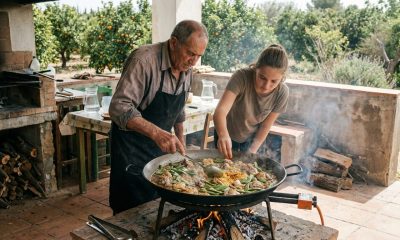
- Take part in the activities: sign up for the paella contest, the fun run or the dance class rather than standing at the edge.
- Go back every year: the second and third time you attend the same fiesta, people will remember you.
- Learn a few phrases: a simple “¿Es la primera vez que vienes?” or “¿Qué se celebra hoy?” starts conversations easily.
Practical tips for big celebrations
- Expect late hours: concerts and verbenas often start after 10 pm and run past midnight.
- Plan transport: streets close for processions and parades, and parking is hard. Check the town hall’s traffic notices and use public transport where possible.
- Carry some cash for small stalls, and keep phones and wallets secure in crowds.
- Mind the heat: summer fiestas can be very hot during the day. Drink water and find shade.
- Be ready for noise: fireworks, firecrackers and music are part of the fun. If you live in the centre, it helps to know the programme in advance, especially if you have pets.
- Respect religious moments: during processions, stay quiet, do not cross through the procession and follow the lead of locals.
Events are one piece of a wider social life. Read our guide on how to build a social life in Spain, or see how to volunteer in your local community.
Useful links
- Spain.info events calendar – official tourism calendar of festivals and events
- Spanish festivals for expats
- Feria de los Pueblos in Fuengirola
- How to build a social life in Spain
FAQ: community events in Spain
Are local fiestas open to foreigners?
Yes. Street events, concerts and public casetas are open to everyone, and locals generally like seeing newcomers take part. Only some casetas and club events are private.
Where do I find the programme for my town’s fiesta?
On the town hall website or social media, usually under “fiestas” or “agenda”, a few weeks before the celebration. Printed programmes are often available at the tourist office.
Do I need to speak Spanish to take part?
No, but a few phrases help a lot. Food, music and dancing need no translation, and many people are happy to explain traditions if you ask.
Are these events suitable for children?
Most fiestas include daytime activities for children, such as parades, games and fairground rides. Evening concerts and verbenas tend to be more adult and run late.
Disclaimer: This article is general information only. Event dates, programmes and access rules change every year – always check the official programme from your town hall before you go.