






















































Tourist Info
Nerja in winter: caves, Balcón de Europa and day-trip tips
Plan a winter day in Nerja: the caves, Balcón de Europa, Burriana, the Maro cliffs, Río Chíllar and Frigiliana, by bus or car.























Nerja is busy in summer, but winter is when many people living on the Costa del Sol rediscover it. The town sits about 50 km east of Málaga, at the eastern end of the province, with cliffs, small coves and the mountains of the Axarquía behind it. The famous cave is underground, so the weather doesn’t matter, and the coastal viewpoints and walks are far more pleasant without the summer heat. Here is how to plan a winter day trip.
If you are thinking about living in the area rather than visiting, start with our East Málaga guide to Nerja, Torrox and the Axarquía. This article focuses on a winter visit.
Getting to Nerja without stress
- By bus: Alsa runs buses between Málaga and Nerja. In Nerja, long-distance buses stop at the top of the town near the Alsa ticket office, a short walk from the centre. There is no train to Nerja.
- By car: the A-7 motorway runs along the coast. Parking in the old centre is limited, so many visitors use the public car parks near the edge of the centre and walk in.
- Combining stops: buses also link Nerja with Maro and Frigiliana, so you can visit more than one place without a car.
Bus times change between seasons, so check the current timetable on the Alsa website before you go. Our guide to public transport on the Costa del Sol explains travel cards and connections along the coast.


 Vivid BusinessA business account for freelancers and companies in SpainOpen your account online, with sub-accounts and cards for your team.Learn more →(ad)

 Buying a home in Spain? Simulate your mortgageSee your monthly payment with Banco Sabadell’s mortgage simulator.Try the simulator →(ad)

 A bank account for autónomos in SpainCuenta Clara Autónomos: no commissions, free debit and credit cards, opened online.See the account →(ad)


 A European bank you open from your phonebunq: an EU-licensed bank with debit cards, managed fully in the app. Sign up in about five minutes.Get started →(ad)


 A mobile bank account with no commissionsB100, the mobile bank from Abanca: everyday account and free debit card, all in the app.Get the app →(ad)
 Online pharmacy & parapharmacySkincare, vitamins, baby care and more – delivered in SpainShop now

















Cueva de Nerja: the caves
The Nerja Cave (Cueva de Nerja) is a few kilometres east of the town, next to the village of Maro. It was discovered in 1959 and is one of the most visited caves in Spain, with huge chambers and stalactite and stalagmite formations. Remains from the Upper Palaeolithic have been found inside, and the cave is still studied by researchers.
- Tickets: buy online on the official Cueva de Nerja website. Visits run on timed slots, and winter weekends and holidays can still sell out.
- Opening times: they differ between summer and winter and on some holidays. Check the official website for the dates you have in mind.
- What to wear: the route includes many steps and can be damp, so wear shoes with a good grip. A light layer is useful.
- Accessibility: the route has stairs, so contact the cave before your visit if you have mobility needs or plan to bring a pushchair.
Balcón de Europa and the old town
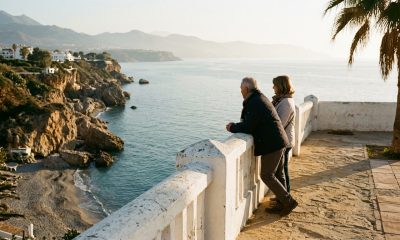
The Balcón de Europa is a viewpoint on a rocky headland in the middle of town, free and open at all hours. A fortress was built here in the early 1500s to defend the coast from pirates. The area was later known as La Batería, after its gun battery. Local tradition says King Alfonso XII gave it its present name when he visited in 1885, after the Andalusian earthquake, although local historians say the name may be older.
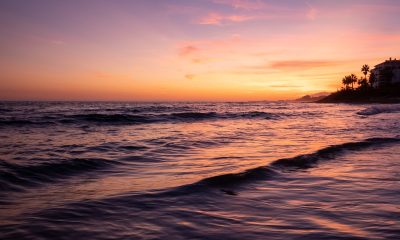
- Best time: winter light is low and clear in the late afternoon, which is good for photos along the coast.
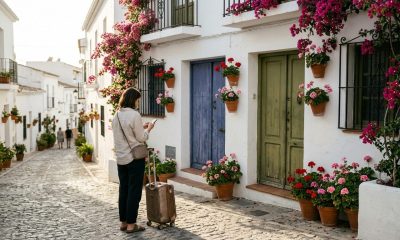
- Nearby: the white church of El Salvador stands on the square by the Balcón, and narrow streets with cafés and shops lead back into the old town.
- Beaches below: steps and paths lead down to small coves. On calm winter days you can walk along the sand, but take care on wet rocks.
Burriana, Maro and the cliffs
Burriana is one of Nerja’s main beaches, with a promenade and beach restaurants. It has received the Blue Flag several times. In winter, some restaurants keep shorter hours, but it is a pleasant place for a walk and lunch on a sunny day.
East of the town, the coast becomes the protected natural area of the Acantilados de Maro-Cerro Gordo, with cliffs, coves and old watchtowers such as the 16th-century Torre de Maro. The village of Maro itself is small and quiet, with views over the sea and farmland.










- Paths down to the coves can be steep and slippery after rain.
- Access rules for some coves and parking areas change during the year. Check with the Nerja tourist office before you go.
- Take water and sun protection. The winter sun on the coast is still strong.
Río Chíllar and walks in winter
The Río Chíllar walk, where you follow the riverbed into a narrow gorge, is one of the best-known walks near Nerja and is popular with families. In winter, think twice before you go:
- The water is cold, and you walk in it for much of the route, so wear shoes that can get wet and bring dry clothes.
- Don’t go after heavy rain or when a weather warning is in force. River levels in gorges can rise quickly.
- Days are short in winter. Start early so you are back before dark.
If you prefer an easier option, the coastal paths around the Balcón and Burriana are flat and quick to reach from the centre.
Frigiliana and other ideas for the same day
Frigiliana, the white village on the hillside above Nerja, combines well with a morning at the cave or the Balcón. The village is known for its steep whitewashed streets and its sugar cane honey (miel de caña), made at a local factory. Buses run from Nerja, and the drive takes only a few minutes.
A simple plan for a winter day:
- Morning: the cave, with a timed ticket booked in advance.
- Lunch: Burriana beach or the old town.
- Afternoon: Frigiliana or a short walk, then the Balcón de Europa before sunset.
For more places in the same style, see our guide to day trips from Málaga.
FAQ: Nerja in winter
Is the Nerja Cave open in winter?
Yes, the cave is open all year, but opening times differ by season and it may close on certain holidays. Check the official website and book a timed ticket in advance.
Can I visit Nerja from Málaga without a car?
Yes. Alsa buses run between Málaga and Nerja, and local buses connect Nerja with Maro and Frigiliana. Check the current timetable before you travel, especially for the last bus back.
Is it worth going to Nerja in winter if I can’t swim?
Yes. The cave, the Balcón de Europa, the old town and Frigiliana are all good winter visits, and the coastal walks are more comfortable than in summer.
Is the Río Chíllar walk safe in winter?
It can be done on dry, settled days, but the water is cold. Avoid it after heavy rain or during weather warnings, and check local information before you go.
Useful links
- Cueva de Nerja, official tickets and opening times
- Nerja on the official Andalucía tourism site
- Alsa, bus timetables and tickets
Disclaimer: This article is general information, not legal or financial advice. Rules and prices change, so check with the official source before you decide.


 A European bank you open from your phoneSign up with bunq in about five minutes.Get started →(ad)








 Ad
 A sea-view escape in MallorcaThe Donna Portals – stay by the sea with views over the Mediterranean.See prices →
Vivid BusinessA business account for freelancers and companies in SpainOpen your account online, with sub-accounts and cards for your team.✓ For autónomos and companies
✓ Sub-accounts for budgets and taxes
✓ Cards for your teamLearn more →(ad)













Nerja in winter: caves, Balcón de Europa and day-trip tips

Olive oil harvest season: visiting an almazara in Andalucía

Train travel in Spain: AVE, Avlo, Ouigo and Iryo explained

Andalucía guide: cities, culture and life in southern Spain

How the Spanish government works: state, regions, provinces and town halls

Living on a small salary in Spain in 2026











-

 Tourist Info2 years ago
Andalucía guide: cities, culture and life in southern Spain
-
Spanish System2 years ago
How the Spanish government works: state, regions, provinces and town halls
-
Cost of Living2 years ago
Living on a small salary in Spain in 2026
-
Tourist Info2 years ago
Marbella guide: areas, beaches and everyday life
-
Banking & Finances2 years ago
Understanding the tax system in Spain
-
Cost of Living2 years ago
Family living costs in Spain in 2026: monthly budget and moving-in money
-
Tourist Info2 years ago
Benalmádena explained: Pueblo, Arroyo de la Miel and the coast
-
Insurance2 years ago
Understanding insurance in Spain: a 2026 guide for expats