

























































Cultural
What to wear to a Spanish wedding
Day or evening, colours to avoid, suits, shoes and the bank-transfer gift: a guest’s guide to dressing for a wedding in Spain.

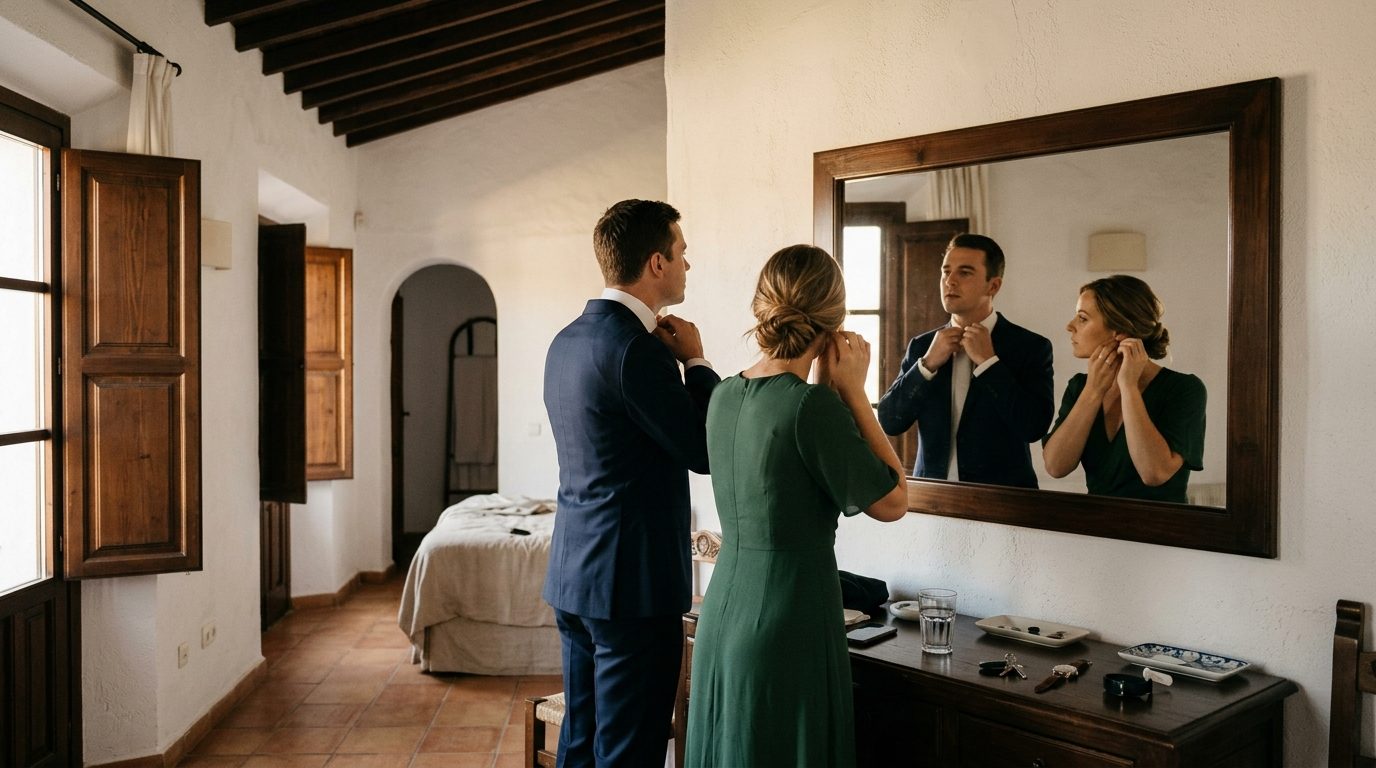







Being invited to a Spanish wedding is a sign that you have really arrived. It is also a long day: the ceremony, a drinks reception, a big meal and dancing that often goes on well past midnight. Spanish guests dress up more than many newcomers expect, and there are a few unwritten rules about colours, hats and gifts. This guide helps you get it right.
Start with the invitation
The couple sets the tone, and the invitation is your first clue. Look at:
- The time: a ceremony at midday with a lunch is a day wedding. A ceremony in the late afternoon or evening with dinner is an evening wedding. The dress rules are different.
- The place: a church, a country estate (finca or cortijo), a hotel or the beach all suggest a different level of formality.
- A dress code: if the invitation says chaqué (morning coat) or etiqueta (black tie), follow it. If there is no dress code, smart and elegant is the safe choice.
If in doubt, ask the couple or a Spanish friend who is also going. Nobody minds the question.








Day wedding or evening wedding
Spanish wedding guides make a clear difference between day and evening.
- Day weddings: lighter colours and fabrics. Traditionally, women wear short or midi dresses, and long dresses are kept for the evening. Smart jumpsuits and trouser suits also work. Large hats (pamelas) are a day accessory.
- Evening weddings: darker colours and more formal outfits. Long dresses are common, and a little sparkle is fine. The later the event, the smaller the headpiece.
- Midi dresses: a mid-calf or ankle-length dress works for both, which is useful if you are not sure.
Keep in mind that the celebration usually lasts many hours. In summer, outdoor receptions in Andalusia can be hot until late in the evening, while winter weddings in a country estate can turn cold after dark. A wrap or jacket is useful.
Colours to avoid
- White and close shades: ivory, cream, beige and champagne are for the bride, unless the couple has asked guests to wear white. Small white details in a print are usually fine.
- All black: many Spaniards still link black with mourning, especially at a day wedding or a traditional church wedding. At an evening wedding it is more accepted.
- Anything that steals the show: very deep necklines, high slits or neon colours.
What men wear
For men, a well-fitted suit is the standard. Shorts, polo shirts and trainers are not appropriate unless the couple says so.
- Day: light or medium tones such as mid blue, grey or soft brown. Linen or lightweight wool in summer.
- Evening: darker suits, such as navy, charcoal or dark grey.
- Chaqué or esmoquin: only if the invitation asks for it. The morning coat is for very formal day weddings, and the dinner jacket for black-tie events.
- Tie: a plain or discreetly patterned tie is the safe choice for traditional and church weddings. A bow tie goes with a dinner jacket. At informal summer weddings the tie can sometimes be dropped.
- Avoid: an all-white or cream suit unless the couple asks for it, and very loud colours.
A crisp shirt makes a big difference to a suit. If you need a new one, specialists such as The Shirt Company (ad) sell shirts and dresses online.






Shoes, hats and bags
- Women’s shoes: closed shoes are the most formal, but elegant sandals are fine, especially in summer. Choose heels you can walk and dance in for many hours. Gravel paths and lawns at country estates are hard on thin heels, so a block heel can be a smart choice.
- Men’s shoes: polished dark leather shoes, such as Oxfords or Derbies, in black or brown to match the suit.
- Hats and headpieces: pamelas (wide-brimmed hats) are for day weddings and are usually taken off later in the celebration. Smaller headpieces (tocados) suit both day and evening.
- Bag: a small clutch. The more formal the event, the smaller the bag.
Online shops such as Spartoo (ad) have a wide range of shoes and bags if you cannot find what you need locally. Order in good time so you can return or exchange it if it does not fit.
The gift: “la cuenta” and the bank transfer
In Spain, the usual wedding gift is money. Envelopes have largely given way to bank transfers: many couples give their guests a bank account number, and guests send the money there. Gift lists in shops still exist, but money is now the main gift.
- When: it is common to transfer the money before the wedding, as the couple often pays many costs in advance.
- How much: there is no fixed amount. The old unwritten rule was that your gift should at least “cover your place” (cubrir el cubierto), meaning the cost of your meal. Today guests also consider how close they are to the couple and whether they have to pay for travel and a hotel.
- Add your name: write your name in the transfer reference so the couple knows who it is from.
- Envelope: if you prefer, you can still give cash in an envelope with a card on the day.
Weddings are also a great way to see Spanish social life up close. The meal starts later than many newcomers expect, see our guide to opening hours, siesta and mealtimes in Spain. For more on local customs, read Spanish culture: what newcomers should know about daily life and why social life matters for expats in Spain.
FAQ: what to wear to a Spanish wedding
Can I wear black to a wedding in Spain?
At an evening wedding, black is increasingly accepted. At a day wedding or a traditional church wedding, it is better to choose a colour, as many people still link black with mourning.
Can women wear a long dress to a day wedding?
Traditionally, long dresses are for evening weddings, and short or midi dresses for day weddings. A midi dress is a safe choice for both.
Do men have to wear a morning coat?
Only if the invitation asks for chaqué. Otherwise a well-fitted suit, a shirt and a tie is the standard.
How do I give the wedding gift?
Most guests transfer money to the account number the couple shares, usually before the wedding, with their name in the reference. Cash in an envelope with a card is also fine.
Useful links
- Bodas.net: how male guests should dress (in Spanish)
- ¡Hola!: guest protocol for evening weddings (in Spanish)
- Marie Claire Spain: how wedding guests should dress (in Spanish)
Disclaimer: This article is general information, not legal or financial advice. Rules and prices change, so check with the official source before you decide. Links marked “(ad)” are affiliate links – NewInSpain may earn a commission at no extra cost to you.
Cost of Living
Rebajas: when the sales start in Spain and your rights
When the January and summer sales start in Spain, how discounts must be shown, and your rights on returns and warranties.
Updated: October 2026
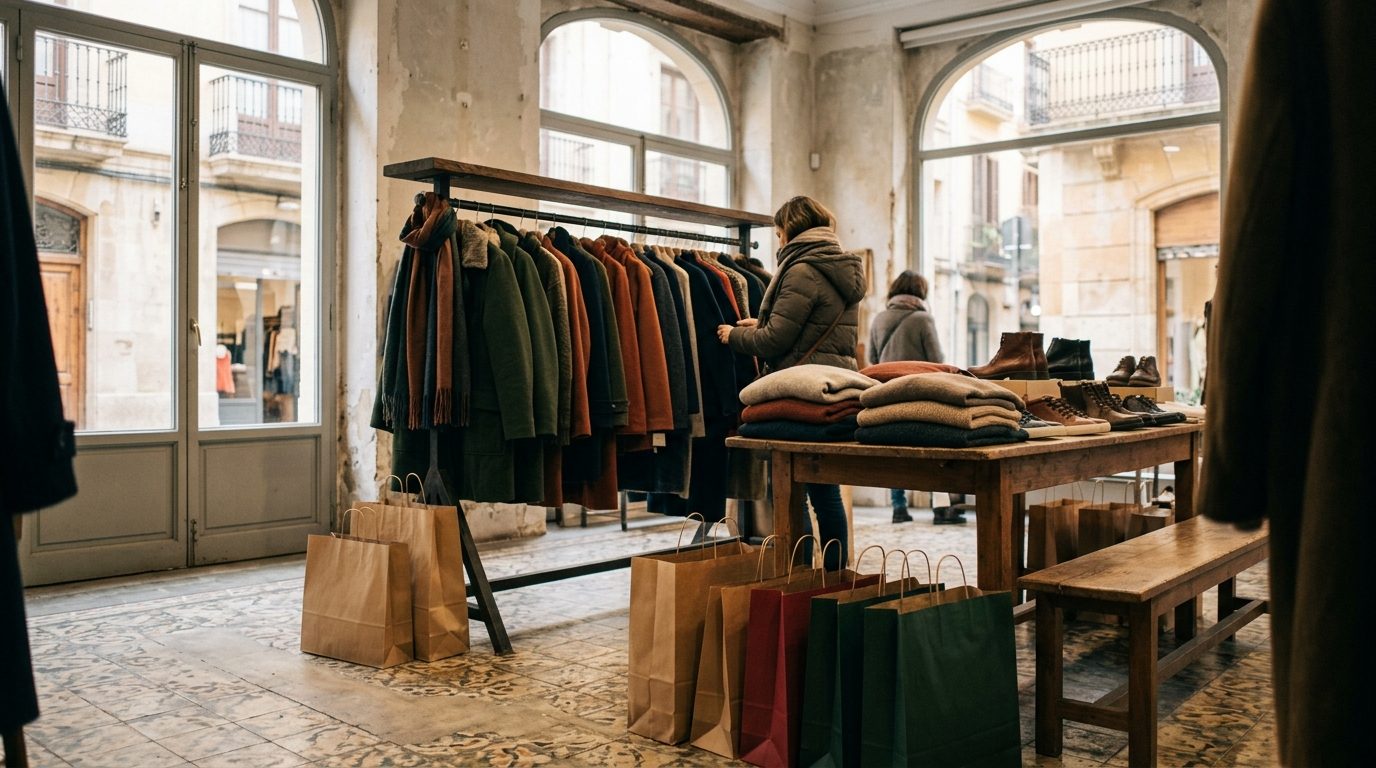
Spain’s sales – las rebajas – are a national event. Shops are packed on the first day, discounts grow week by week, and many people plan big purchases around them. Here is when the sales happen, how they work and what your rights are.
When are the sales in Spain?
Since 2012, shops in Spain have been free to decide when and for how long they hold sales. In practice, most still follow the traditional calendar:
- Winter sales: start around 7 January, the day after Three Kings (Reyes), and run into February or early March. Some chains start online on 6 January or even earlier.
- Summer sales: start around 1 July and run through August.
- Black Friday (the last Friday of November) and Cyber Monday have become big too, often stretched over a whole week.
- Mid-season sales (mid-season or “segundas rebajas”) with extra discounts come towards the end of each sales period.
Your rights when you buy on sale
- Real discounts: when a shop shows a price reduction, the “before” price must be the lowest price it charged in the previous 30 days. This rule comes from EU law and stops fake discounts.
- Same warranty: sale items have the same three-year legal guarantee as full-price items. A shop cannot refuse to deal with a faulty item because it was on sale.
- Returns: in a physical shop, returning an item you simply do not want is a goodwill policy, and shops may have different rules during sales – ask before paying. Online purchases always have 14 days to withdraw.
- Card payments: a shop that normally accepts cards must also accept them during sales.
- Keep the receipt (ticket or factura) – you need it for returns and warranty claims.
If something goes wrong, you can complain with an official complaint form (hoja de reclamaciones), which every shop must have. See also our guide to your rights when buying electronics.
Tips for the rebajas
- Make a list before you go – the first days are crowded and it is easy to overspend.
- Check prices a few weeks before so you can spot real bargains.
- Shop online from the evening before: many retailers open their sales online first. Online shops such as Spartoo (ad) and adidas (ad) run their own sales on shoes, fashion and sportswear.
- Look at the final weeks for the deepest discounts, if you do not mind smaller choice of sizes.
Not sure what to buy for the season? Read what to wear in Spain, season by season.
FAQ: sales in Spain
When do the January sales start in Spain?
Traditionally on 7 January, right after Three Kings. Shops are free to start earlier, and many begin online a day before.
Can I return sale items?
Faulty items, always. For items you just do not want, it depends on the shop’s policy – ask before you pay. Online purchases have a 14-day withdrawal right.
Are sale prices really lower?
They should be: the reference price shown must be the lowest price of the last 30 days.
Disclaimer: This article is general information, not legal advice. Shop policies vary. Links marked “(ad)” are affiliate links – NewInSpain may earn a commission at no extra cost to you.
Cost of Living
What to wear in Spain: a season-by-season guide
What to wear on the Costa del Sol through the year, local dress customs and where to shop for clothes and shoes in Spain.

Updated: October 2026
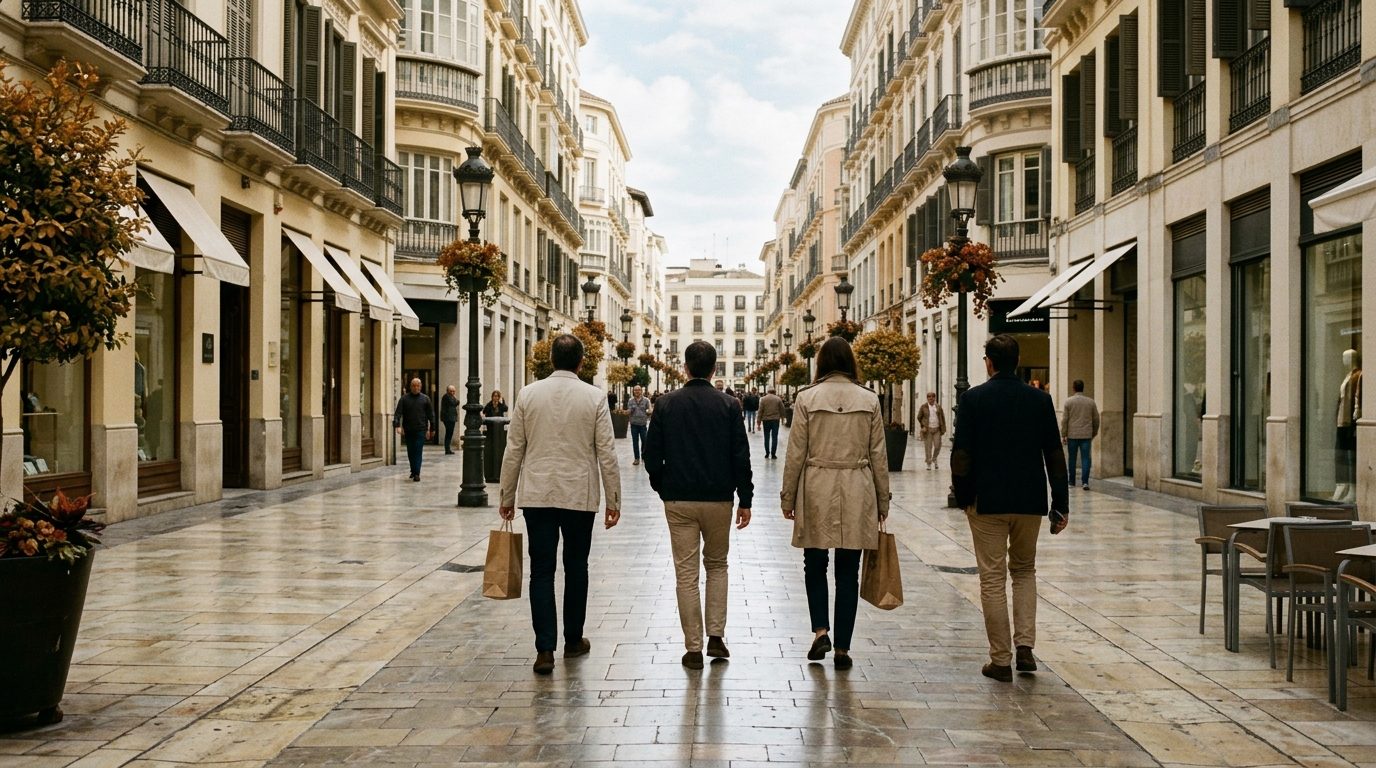
“It’s always sunny in Spain” is only half true. Newcomers on the Costa del Sol are often surprised by chilly winter evenings, cold tiled floors and how smartly Spaniards dress in town. This guide covers what to wear through the year in southern Spain, a few local dress customs and where to shop.
Winter (December to February)
Days on the coast are often mild and sunny, but evenings and nights are cool, and inland towns and the mountains can be properly cold. The real surprise is indoors: many Spanish homes have no central heating, tiled floors and thin walls, so houses can feel colder than outside.
- A warm jacket or padded coat for evenings
- Jumpers and layers you can take off at lunchtime
- Closed shoes or boots – and warm slippers for tiled floors at home
- A light raincoat or umbrella: winter is the rainy season, and storms can be heavy
Spring (March to May)
The best season for many: warm days and cool nights. Semana Santa (Easter week) brings processions to every town, and Spaniards dress up for them.
- Light layers, a denim or light jacket for evenings
- Comfortable walking shoes for ferias, processions and hiking
- Sunglasses and a hat – the sun is already strong
Summer (June to September)
Hot on the coast and very hot inland. Light, breathable fabrics like linen and cotton make the difference.
- Linen shirts, light dresses, shorts and sandals
- A sun hat, high-factor sunscreen and a refillable water bottle
- Something smarter for evenings out – shorts and flip-flops are not welcome everywhere
- Swimwear only for the beach and pool (see below)
Autumn (October to November)
Often still warm enough for the beach in October, with the first rains and cooler evenings arriving in November. Keep summer clothes handy but bring out a light jacket.
Local dress customs
- Swimwear is for the beach. Walking through town in swimwear or bare-chested is frowned upon, and several Spanish towns fine it under local bylaws. Put on a T-shirt and shorts when you leave the promenade.
- Churches and cathedrals: cover shoulders and avoid very short shorts.
- Going out: Spaniards tend to dress smart-casual in the evening, even for a simple dinner.
- Shoes: old town streets are often cobbled, and polished marble pavements – like on Málaga’s Calle Larios – get slippery when wet. Choose soles with grip.
- Ferias: at local fairs many women wear flamenco dresses and men smart shirts – you do not have to, but it is fun to join in.
Where to shop
- Spanish high-street brands are everywhere: Zara, Mango, Massimo Dutti, Pull&Bear, Bershka and more, in every large shopping centre.
- El Corte Inglés department stores cover everything from basics to designer labels.
- Online: Spartoo (ad) has a big range of shoes and fashion with delivery in Spain; adidas (ad) and Foot-Store (ad) for trainers and sportswear.
- Sales: the big ones are in January and July – see our guide to the Spanish sales.
Moving here? Our checklist for your first 30 days covers the rest.
FAQ: what to wear in Spain
Do I need a winter coat on the Costa del Sol?
Yes, for evenings and nights from December to February, and especially if you travel inland or to the mountains.
Can I wear shorts in Spain?
Of course – in summer most people do. Avoid them in churches and in smarter restaurants in the evening.
Is it rude to walk around in swimwear?
Away from the beach, yes, and in some towns it can lead to a fine. Cover up when you leave the beach.
Disclaimer: This article is general information. Links marked “(ad)” are affiliate links – NewInSpain may earn a commission at no extra cost to you.
Cultural
Christmas gift ideas from Spanish shops, and when to give them
When Spaniards give presents, from Nochebuena to Three Kings, plus gift ideas from Spanish shops and tips for ordering in time.

Updated: October 2026
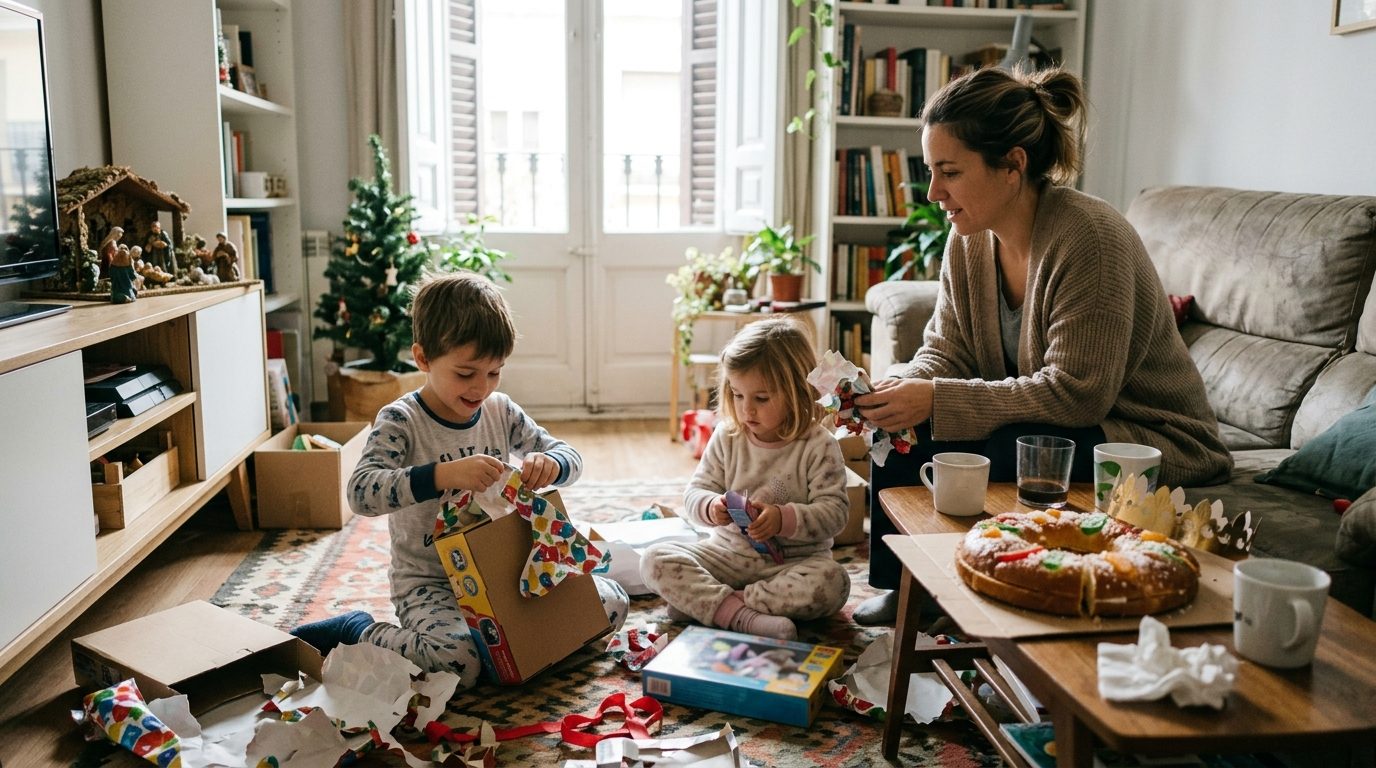
Your first Christmas in Spain comes with a few surprises: the big present day for children is often 6 January, not 25 December, offices hold a Secret Santa called amigo invisible, and a hamper of ham, cheese and turrón is a classic gift. This guide explains when Spaniards give presents and suggests gift ideas from Spanish shops, so your parcels arrive on time and feel local.
When people give presents in Spain
- Nochebuena and Christmas Day (24–25 December): more and more families give presents now, often brought by Papá Noel.
- Three Kings’ Day (6 January): the traditional day for children’s presents. The Kings arrive with parades (cabalgatas) on the evening of 5 January, and children wake up to gifts the next morning.
- Amigo invisible: the Spanish Secret Santa, common at work and among friends, usually with a price limit.
- Cesta de Navidad: many employers still give staff a Christmas hamper with wine, ham, cheese and sweets.
Read more about El Gordo, the Three Kings and other customs in our guide to Christmas in Spain.
Gift ideas from Spanish shops
Experiences instead of things. Gift boxes with a spa visit, a dinner, a wine tasting or an adventure activity are popular in Spain and easy to send by email. Disfrutabox (ad) has boxes for couples, families and friends, which also work well as a last-minute present.
Spanish wine. A bottle from Rioja, Ribera del Duero or a smaller region is a safe gift for hosts and colleagues. Online wine shops such as Petit Celler (ad) deliver mixed cases and gift packs across Spain.
Personalised gifts. Handmade items with a name or date feel personal and are good for grandparents and godchildren. Ohana Details (ad) is a Spanish brand making personalised, handmade gifts.
For the new home. If friends have just moved, quality bed linen, towels or a throw are always useful. La Mallorquina (ad), a Barcelona home textile company founded in 1947, sells linen and textiles online.
Shoes and clothes. Winter boots, slippers and trainers are classic Three Kings presents. Spartoo (ad) has a large range of shoes and fashion brands with delivery in Spain.
For the sporty ones. A new padel racket, balls or a court booking makes a great gift in Spain. See our padel guide for beginners for what to choose, and compare rackets at Padel ProShop (ad).
Ordering in time
- Order early in December. Couriers in Spain are very busy between Black Friday and Three Kings, and delivery times grow.
- For presents for 6 January, aim to order by mid-December. Many shops publish last order dates for Reyes.
- Check whether the shop delivers to the Canary Islands, Ceuta or Melilla if you are sending gifts there – extra customs paperwork and costs can apply.
- Keep receipts: when you buy online from a shop in the EU, you normally have 14 days to withdraw from the purchase, and many shops extend returns over Christmas.
FAQ: Christmas gifts in Spain
When do children get presents in Spain?
Traditionally on 6 January, Three Kings’ Day. Many families now also give some presents on 24 or 25 December.
What is amigo invisible?
The Spanish version of Secret Santa. Each person draws a name and buys one present for that person, usually within a set budget.
What is a typical gift for a host in Spain?
A good bottle of wine, cava, turrón or a box of pastries from a local bakery is always welcome.
Can I return presents bought online?
When you buy online from a shop in the EU, you normally have 14 days from delivery to withdraw from the purchase. Check each shop’s Christmas returns policy, as many give longer.
Disclaimer: This article contains affiliate links marked (ad). If you buy through them, NewInSpain may earn a small commission at no extra cost to you. Prices, ranges and delivery times are set by each shop.




 Ad

✓ Sub-accounts for budgets and taxes
✓ Cards for your teamLearn more →(ad)

What to wear to a Spanish wedding

Power cuts in Spain: how to be prepared at home

Visa and residency options in Spain: which one fits you?

Andalucía guide: cities, culture and life in southern Spain

Understanding the tax system in Spain

Marbella guide: areas, beaches and everyday life






-
 Tourist Info2 years ago
Andalucía guide: cities, culture and life in southern Spain
-
 Banking & Finances2 years ago
Understanding the tax system in Spain
-
 Tourist Info2 years ago
Marbella guide: areas, beaches and everyday life
-

 Cost of Living2 years ago
Living on a small salary in Spain in 2026
-

 Spanish System2 years ago
How the Spanish government works: state, regions, provinces and town halls
-

 Cost of Living2 years ago
Family living costs in Spain in 2026: monthly budget and moving-in money
-

 Tourist Info2 years ago
Benalmádena explained: Pueblo, Arroyo de la Miel and the coast
-

 Insurance2 years ago
Understanding insurance in Spain: a 2026 guide for expats