


















































Tourist Info
Frigiliana guide: visiting and living in the white village
What to see in Frigiliana, how to get there, winter visits, walks in the hills and what to consider before living in the white village.























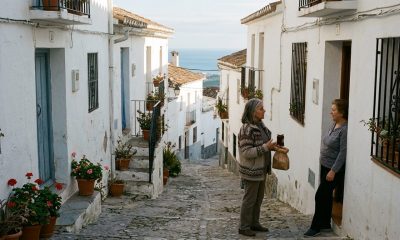
Frigiliana is the white village most people picture when they think of the Axarquía: steep cobbled lanes, blue doors, flower pots on every wall and the sea glinting below. It sits just inland from Nerja on the eastern edge of Málaga province, and in winter it is quieter, greener and easier to enjoy than in the summer rush. This guide covers what to see, how to get there, and what everyday life is like if you are thinking of living in or near the village.
Frigiliana at a glance
Frigiliana is a small municipality of around 3,400 registered residents (2025 figure), at roughly 300 metres above sea level on the slopes of the Sierra de Almijara. The land just behind the village belongs to the Sierras de Tejeda, Almijara y Alhama Natural Park, so mountains and hiking trails start almost at the edge of town.
- Recognition: the village has been a member of the association Los Pueblos Más Bonitos de España since 2015, and its historic centre was declared a protected historic site in 2014.
- History: the old quarter grew up in Moorish times, and the village was the scene of fighting during the Morisco uprising of 1569. Ceramic panels on the house walls tell that story street by street.
- Location: a short, winding drive up from Nerja and the coast, and further east along the coast from Málaga city.
If you want the bigger picture of the area, our East Málaga guide to Nerja, Torrox and the Axarquía covers the neighbouring towns.


 Vivid BusinessA business account for freelancers and companies in SpainOpen your account online, with sub-accounts and cards for your team.Learn more →(ad)

 Buying a home in Spain? Simulate your mortgageSee your monthly payment with Banco Sabadell’s mortgage simulator.Try the simulator →(ad)

 A bank account for autónomos in SpainCuenta Clara Autónomos: no commissions, free debit and credit cards, opened online.See the account →(ad)


 A European bank you open from your phonebunq: an EU-licensed bank with debit cards, managed fully in the app. Sign up in about five minutes.Get started →(ad)


 A mobile bank account with no commissionsB100, the mobile bank from Abanca: everyday account and free debit card, all in the app.Get the app →(ad)
 Online pharmacy & parapharmacySkincare, vitamins, baby care and more – delivered in SpainShop now

















What to see in the old village
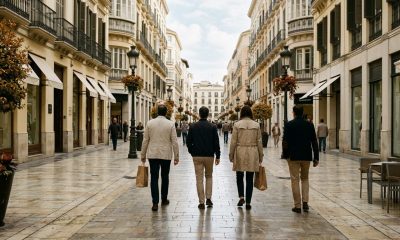
The best way to see Frigiliana is simply to walk uphill and get a little lost. Comfortable shoes matter: most lanes are steep and some are stepped.
- El Barribarto: the Mudéjar quarter, the oldest and most photographed part of the village, with narrow whitewashed alleys and the ceramic plaques about the 1569 uprising.
- El Ingenio: a Renaissance palace of the Counts of Frigiliana that houses the Nuestra Señora del Carmen cane honey factory, described as the only one of its kind in Europe. It is usually closed to visitors, but the tourist office can tell you if guided visits are planned.
- Church of San Antonio de Padua: a Renaissance church on Calle Real, built in the 17th century.
- Casa del Apero: a 17th-century building that now holds the archaeological museum, a cultural centre and the tourist office.
- Fountains and details: the Fuente Vieja from 1640, the Fountain of the Three Cultures with Christian, Jewish and Muslim symbols, and a small coin-operated puppet kiosk that tells local stories.
- Viewpoints and Lízar Castle: the lookouts in the upper village give wide views to the sea, and the remains of Lízar Castle sit on the hill above for those who want a short climb.
Cane honey (miel de caña) is the local speciality. You will find it in shops along Calle Real, and it is often served drizzled over fried aubergines in the village bars.
Getting there and parking
- By car: the easiest option. The historic centre is mostly closed to traffic, so plan to park on the edge of the village and walk up. On weekends and holidays, arrive in the morning, as parking fills quickly.
- By bus: there is a regular bus between Nerja and Frigiliana, and long-distance buses connect Nerja with Málaga. Timetables change by season, so check them with the operator or the tourist office before you travel.
- Combine it: many visitors pair Frigiliana with Nerja in one day. Our guide to day trips from Málaga has more ideas for planning a day out.
Visiting in winter
From November to February the village is calm on weekdays, the light is clear and walking uphill is far more pleasant than in August. Evenings get cool at this height, so bring a layer even on a sunny day. Some bars and shops reduce their hours out of season.
- Tourist office hours: outside summer, Andalucía’s official tourism site lists Monday to Friday 10:00–18:00, Saturday 10:00–14:00 and 16:00–20:00, and Sunday 10:00–14:00. Hours can change, so check before a special trip.
- 5 January: like most Spanish towns, Frigiliana holds a Three Kings procession on the evening before Epiphany.
- 20 January: the feast of San Sebastián, the village’s patron saint.
- Later in the year: the Festival de las Tres Culturas, celebrating the village’s Christian, Muslim and Jewish heritage, is usually held at the end of August, and the summer fair is centred on San Antonio’s day, 13 June.
Walking in the hills around Frigiliana
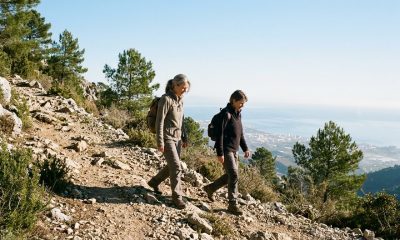
Frigiliana is a popular starting point for walks into the natural park. A well-known route follows the Río Higuerón riverbed up from the village, and some walkers continue over the hills towards Nerja and the Río Chillar.










- River walks can involve wading, so wear shoes that can get wet.
- Do not walk in riverbeds when heavy rain is forecast, as water levels can rise fast.
- Access to parts of the natural park can be restricted, especially in the fire-risk season. Check current rules with the Junta de Andalucía or the tourist office before you go.
Living in Frigiliana: what to consider
Frigiliana has a long-standing international community, and many foreign residents live in the village itself or in houses scattered across the surrounding hillsides. It is a beautiful place to live, but it suits some lifestyles better than others.
- Village house or campo: houses in the old centre are charming but often have no car access, steep steps and limited outdoor space. Country houses give views and privacy but mean longer drives on narrow roads.
- A car is close to essential: buses exist, but for bigger shopping, hospital visits or work on the coast, most residents drive.
- Services: the village has everyday shops, bars and a health centre, while larger supermarkets, schools with more options and hospital services are found down on the coast and in Vélez-Málaga.
- Tourism: day visitors fill the lanes on summer weekends and during festivals. If you live in the centre, expect noise and crowds at those times.
- Paperwork: once you move, register on the town hall’s padrón. Our step-by-step guide to the padrón (empadronamiento) explains how.
If you are thinking of buying a country property, ask a lawyer to check that the house is legally registered and has the right licences, as building rules on rural land in Andalucía are strict.
FAQ: Frigiliana
Can I visit Frigiliana without a car?
Yes. Take a bus to Nerja and then the local bus up to Frigiliana. Check the timetable in advance, especially for the return trip in the evening and on Sundays.
How much time do I need in Frigiliana?
Half a day is enough to walk the old quarter, see the viewpoints and have lunch. Add a full day if you want to hike in the hills or combine the visit with Nerja.
Can I visit the cane honey factory?
El Ingenio is usually closed to the public. Guided visits are sometimes arranged, so ask at the tourist office in the Casa del Apero. You can buy cane honey in shops around the village.
Is Frigiliana a good place to live all year?
Many people live there all year and enjoy the quiet winters. It works best if you are happy to drive, do not mind steep streets and like village life rather than city services on your doorstep.
Useful links
- Frigiliana tourist office – Andalucía official tourism site
- Frigiliana and its three cultures – Andalucía official tourism site
- Frigiliana – Los Pueblos Más Bonitos de España
Disclaimer: This article is general information, not legal or financial advice. Rules and prices change, so check with the official source before you decide.


 A European bank you open from your phoneSign up with bunq in about five minutes.Get started →(ad)






 Ad
 A sea-view escape in MallorcaThe Donna Portals – stay by the sea with views over the Mediterranean.See prices →
Vivid BusinessA business account for freelancers and companies in SpainOpen your account online, with sub-accounts and cards for your team.✓ For autónomos and companies
✓ Sub-accounts for budgets and taxes
✓ Cards for your teamLearn more →(ad)













Frigiliana guide: visiting and living in the white village

Changing electricity or gas supplier in Spain: step by step

Apostilles and sworn translations in Spain: when you need them and how to get them

Andalucía guide: cities, culture and life in southern Spain

How the Spanish government works: state, regions, provinces and town halls

Living on a small salary in Spain in 2026









-

 Tourist Info2 years ago
Andalucía guide: cities, culture and life in southern Spain
-
Spanish System2 years ago
How the Spanish government works: state, regions, provinces and town halls
-
Cost of Living2 years ago
Living on a small salary in Spain in 2026
-
Tourist Info2 years ago
Marbella guide: areas, beaches and everyday life
-
Banking & Finances2 years ago
Understanding the tax system in Spain
-
Cost of Living2 years ago
Family living costs in Spain in 2026: monthly budget and moving-in money
-
Tourist Info2 years ago
Benalmádena explained: Pueblo, Arroyo de la Miel and the coast
-
Insurance2 years ago
Understanding insurance in Spain: a 2026 guide for expats