





















































Housing & Utilities
Heating your home in a Spanish winter
Why Spanish homes feel cold, which heaters to choose, how to work out running costs, tariff periods, butane safety and cheap insulation fixes.









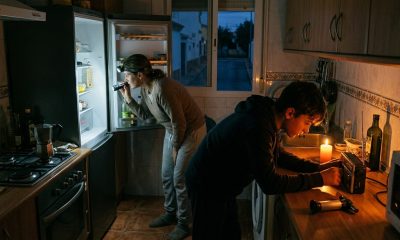
Many newcomers are surprised by how cold a Spanish home can feel in winter, even on the sunny Costa del Sol. The air outside may be mild at midday, but indoors it can feel damp and chilly from November to March. This guide explains why, compares the common heater types, shows how to work out running costs and covers safety and simple insulation fixes.
Why Spanish homes feel cold
Much of Spain’s housing, especially in the south, was designed to stay cool in summer, not warm in winter. As a result:
- No central heating: many flats and houses on the coast have none. People heat individual rooms when they use them.
- Tiled floors and stone walls: pleasant in July, cold underfoot in January.
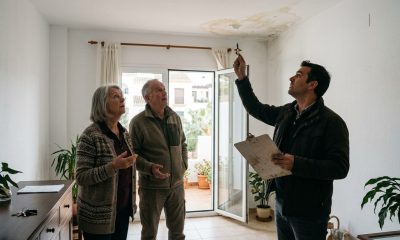
- Limited insulation: older homes often have thin walls, single glazing and gaps around doors and shutters.
- Damp: coastal humidity makes cold rooms feel colder and can cause condensation and mould.
When you look for a home, check the energy performance certificate and ask how it is heated. Our guide to renting in Spain as a foreigner covers what else to check before you sign.










 Online pharmacy & parapharmacySkincare, vitamins, baby care and more – delivered in SpainShop now
Vivid BusinessA business account for freelancers and companies in SpainOpen your account online, with sub-accounts and cards for your team.Learn more →(ad)
 Buying a home in Spain? Simulate your mortgageSee your monthly payment with Banco Sabadell’s mortgage simulator.Try the simulator →(ad)
 A bank account for autónomos in SpainCuenta Clara Autónomos: no commissions, free debit and credit cards, opened online.See the account →(ad)
 A European bank you open from your phonebunq: an EU-licensed bank with debit cards, managed fully in the app. Sign up in about five minutes.Get started →(ad)
 A mobile bank account with no commissionsB100, the mobile bank from Abanca: everyday account and free debit card, all in the app.Get the app →(ad)


Types of heating you will find
- Air conditioning with heat pump (bomba de calor): many split air-conditioning units can also heat. A heat pump moves heat from the outside air into the room instead of making it. Under good conditions it can deliver roughly 3 to 4 kWh of heat for every kWh of electricity it uses. Its performance drops when it is very cold outside, but on the coast it is usually the cheapest electric option to run.
- Oil-filled radiators: portable radiators filled with oil that heat up slowly and keep giving off heat for a while after they switch off. They are quiet and good for bedrooms.
- Convector and panel heaters: they warm the air and work well in small, closed rooms. Wall-mounted “emisores térmicos” are common in Spanish homes.
- Fan and ceramic heaters: cheap to buy and they heat quickly. Best for short bursts, such as a bathroom in the morning.
- Butane gas heaters (estufa de butano): they run on gas cylinders (bombonas) and don’t depend on your electricity contract. They need good ventilation and careful use (see safety below).
- Brasero and mesa camilla: a traditional Spanish solution. A small electric heater sits under a round table covered with a heavy cloth, and people sit with their legs underneath. It warms the people at the table, not the room.
If you need to buy heaters, Spanish online shops such as El Maestro de la Iluminación (ad), which sells electric heaters and home electrics, and Kyoto Electrodomésticos (ad), a home appliance shop, carry a range of models. Look at the wattage and whether the heater has a thermostat and timer.

Working out the running cost
You don’t need exact prices to compare heaters, just a simple formula:
- Power (kW) × hours of use = kWh used. A 2,000 W (2 kW) heater running at full power for 3 hours uses 6 kWh.
- kWh × your price per kWh = cost. Your price per kWh is on your electricity bill or contract.
- Thermostats help: a heater with a thermostat cycles on and off once the room is warm, so it uses less than its full rating.
- Resistance heaters are similar: oil radiators, convectors, fan and ceramic heaters all turn electricity into roughly the same amount of heat. The differences are in how fast they heat, how evenly and how well they hold a temperature. A heat pump is the exception, because it can deliver several times more heat for the same electricity.
Electricity tariff basics
Most homes are on the 2.0TD access tariff, which splits the day into three periods. On the mainland, weekday hours are:
- Punta (peak): 10:00–14:00 and 18:00–22:00.
- Llano (mid): 08:00–10:00, 14:00–18:00 and 22:00–00:00.
- Valle (off-peak): 00:00–08:00, plus all day on weekends and national holidays.
Whether these periods change what you pay depends on your contract. Some contracts charge different prices per period, while others have one fixed price. Two more things matter in winter:








- Contracted power (potencia contratada): if you run several heaters at once with the oven or a kettle, the power limit may trip. Spread the load or ask your supplier about changing the power.
- Bono social: households that qualify can get a discount on the regulated PVPC tariff. You apply through the regulated supplier (comercializadora de referencia).
For a full explanation of your bill, see our guide to electricity, water, gas and internet bills in Spain.
Staying safe
The Junta de Andalucía’s consumer service, Consumo Responde, gives this advice for butane:
- Check the hose: the flexible hoses on gas cylinders have an expiry date printed on them. Replace a hose before it expires.
- Watch the flame: it should be straight and blue. A yellow or flickering flame can mean poor combustion.
- Ventilation: rooms with gas cylinders need proper ventilation, and the vents must stay clear.
- Inspections: if you use butane at home, the installation must be checked by an authorised company every five years. Be wary of people who turn up unannounced claiming to be gas inspectors. Real inspections are booked in advance.
With electric heaters, follow the manufacturer’s instructions. Keep them away from curtains and bedding, don’t dry clothes on them, and plug high-power heaters directly into the wall rather than into extension leads. Never use a barbecue, gas cooker or oven to heat a room. Switch off braseros when you leave the table, and keep the cloth away from the heating element.
Cheap ways to keep the heat in
- Seal draughts: stick-on strips around windows and doors and a draught excluder at the bottom of doors.
- Cover the floor: rugs on tiled floors make rooms feel noticeably warmer.
- Use curtains and shutters: open them to let the sun in during the day, and close them at sunset.
- Heat the room you use: close the doors of unused rooms rather than heating the whole home.
- Control damp: air rooms briefly every day and consider a dehumidifier. Dry air feels warmer and helps prevent mould.
- Talk to your landlord: for bigger issues such as broken windows or a faulty heat pump, ask the owner to repair them. Our cost of living guide helps you budget for winter bills.
FAQ: heating your home in Spain
What is the cheapest way to heat a room in Spain?
If you have air conditioning with a heat pump, it is usually the cheapest electric option to run, because it can deliver several kWh of heat per kWh of electricity. Among plug-in heaters, choose one with a thermostat and only heat the room you are using.
When is electricity cheapest in Spain?
On the 2.0TD tariff, the off-peak (valle) period runs from midnight to 08:00 on weekdays and all day on weekends and national holidays. Whether that saves you money depends on your contract.
Are butane heaters safe?
They can be used safely with good ventilation, a hose that is within its expiry date and an installation inspected every five years. Stop using the heater if the flame is yellow or flickering.
Why does my flat get mould in winter?
Cold walls and humid air cause condensation. Air rooms daily, keep furniture slightly away from outside walls and use a dehumidifier if the problem continues.
Useful links
- Consumo Responde – recommendations on butane gas
- Consumo Responde – the bono social eléctrico
- CNMC – official energy offer comparison tool
Disclaimer: This article is general information, not legal or financial advice. Rules and prices change, so check with the official source before you decide. Links marked “(ad)” are affiliate links – NewInSpain may earn a commission at no extra cost to you.





 Ad
 A sea-view escape in MallorcaThe Donna Portals – stay by the sea with views over the Mediterranean.See prices →

 Vivid BusinessA business account for freelancers and companies in SpainOpen your account online, with sub-accounts and cards for your team.✓ For autónomos and companies
✓ Sub-accounts for budgets and taxes
✓ Cards for your teamLearn more →(ad)
 A European bank you open from your phoneSign up with bunq in about five minutes.Get started →(ad)


How to start playing golf on the Costa del Sol

Setting up a business in Spain: types of company and what you need in 2026

Heating your home in a Spanish winter

Andalucía guide: cities, culture and life in southern Spain

Marbella guide: areas, beaches and everyday life

Living on a small salary in Spain in 2026







-

 Tourist Info2 years ago
Andalucía guide: cities, culture and life in southern Spain
-
Tourist Info2 years ago
Marbella guide: areas, beaches and everyday life
-
Cost of Living2 years ago
Living on a small salary in Spain in 2026
-
Banking & Finances2 years ago
Understanding the tax system in Spain
-
Spanish System2 years ago
How the Spanish government works: state, regions, provinces and town halls
-
Tourist Info2 years ago
Benalmádena explained: Pueblo, Arroyo de la Miel and the coast
-
Cost of Living2 years ago
Family living costs in Spain in 2026: monthly budget and moving-in money
-
Insurance2 years ago
Understanding insurance in Spain: a 2026 guide for expats