













































Tourist Info
Moving to Málaga city: neighbourhoods, transport and everyday life
A practical guide to Málaga city for newcomers: which barrios suit you, the city beaches, airport and train links, schools, healthcare and life after the move.








Updated: October 2026
Málaga is no longer just the airport you land at before heading down the coast. The provincial capital has close to 600,000 inhabitants, a busy tech and university scene and a year-round city life that the resort towns cannot match. This guide is for people planning to live in Málaga or spend a longer stay here: where to look for a home, how the transport fits together, and what daily life is really like.
Choosing a barrio
Málaga is a city of distinct neighbourhoods, and the one you choose will shape your days far more than the city as a whole. A rough way to think about it is east (seafront, older villas, quieter), centre (walkable, lively, touristy) and west (more local, flatter, better value).






- Centro histórico and Soho: everything on your doorstep, but noise, crowds and a high share of holiday flats. Good for a first few months, harder for families.
- La Malagueta and El Limonar: close to the centre and the beach, with some of the most sought-after addresses in the city.
- Pedregalejo and El Palo: former fishing districts in the east with a village feel, small coves and fish restaurants along the promenade.
- Huelin and Carretera de Cádiz: dense, very Spanish neighbourhoods west of the river, near La Misericordia beach.
- Teatinos: newer flats around the university campus and the Clínico hospital, popular with students and young families.
Rents in Málaga have risen sharply over the last few years and the city is now one of the more expensive places to rent in Andalucía. Expect strong competition for long-term flats, especially near the centre and the beach. Our guide to renting in Spain as a foreigner covers contracts, deposits and what agents may ask for.
City beaches
The city has around 14 km of coastline linked by promenades. Each stretch has its own crowd:
- La Malagueta and La Caleta: a short walk from the old town, busy in summer, with volleyball nets, joggers and cyclists along the paseo.
- Baños del Carmen and Pedregalejo: small sheltered coves, great sunsets and a long row of restaurants serving pescaíto frito.
- El Palo: over a kilometre of beach with fishing boats pulled up on the sand.
- La Misericordia and San Andrés: the western beaches near Huelin, with darker sand and more locals than visitors.
The city’s tourism office has a useful west-to-east tour of Málaga’s beaches if you want to compare them before choosing where to live.
Getting in and getting around
From the airport
Málaga-Costa del Sol airport is only a few kilometres from the centre. The Cercanías C1 train leaves from the airport station and reaches Málaga Centro-Alameda in about 12 minutes, according to Aena. EMT Málaga also runs an Express bus from Arrivals to the centre; Aena lists a single ticket at 4 euros with luggage included.





Daily transport
- Metro: lines 1 and 2 run from the western districts and Teatinos into the centre, now ending at Atarazanas next to the central market. An extension of line 2 towards the Hospital Civil is still under construction.
- EMT buses: the main way to reach the eastern neighbourhoods such as Pedregalejo and El Palo.
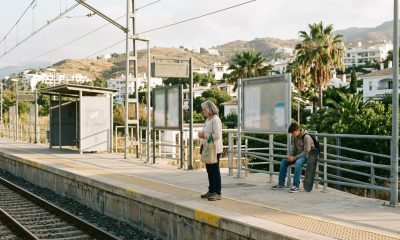
- Cercanías trains: C1 runs west along the coast to Torremolinos, Benalmádena and Fuengirola; C2 runs inland towards Álora.
- High-speed rail: AVE trains from María Zambrano station connect Málaga with Madrid, Córdoba and Seville.
Get the rechargeable Consorcio transport card. It gives reduced fares on EMT buses, interurban buses, the metro and Cercanías trains, and one card can pay for several travellers at once.
Schools and healthcare
Most children of residents attend local public schools, where teaching is in Spanish and places are allocated largely by address. The city also has several private and international schools, including British-curriculum options such as St George’s in the El Palo area and The British College of Málaga. Fees, waiting lists and admission dates vary, so contact schools early. Our overview of types of schools in Spain explains the options.
For public healthcare you are assigned a centro de salud (health centre) based on where you are registered on the padrón. The two big public hospitals are the Hospital Regional Universitario, still widely called Carlos Haya, and the Hospital Clínico Virgen de la Victoria in Teatinos. Read our guide to healthcare for foreign residents before you register.
What to do once you have settled in
Málaga’s old town packs a lot into a small area. The Alcazaba fortress and the Roman theatre sit side by side at the foot of Gibralfaro hill, and the climb up to the castle walls gives you the best view of the port. The art scene has grown a lot: the Picasso Museum, the Centre Pompidou Málaga by the port and the Carmen Thyssen Museum are the headline names, with smaller galleries in Soho.
Locals shop for fish, fruit and olives at the Atarazanas market. When the city gets too warm, the Montes de Málaga natural park just north of town has pine-forest walking routes. In the calendar, Semana Santa and the August Feria de Málaga are the two big moments, and the city’s film festival takes over cinemas each spring.
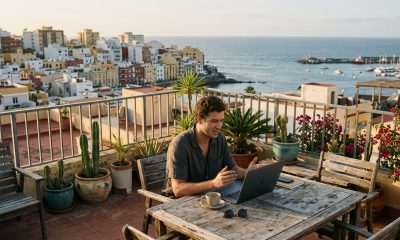
Remote workers will find plenty of coworking spaces and a large international community; see our guide to Málaga for digital nomads.
Practical tips for your first months
- Register on the padrón at the town hall as soon as you have an address. You will need it for healthcare, schools and many other procedures.
- Visit a barrio at night and on a weekend before signing a lease. The centre and the beach districts sound very different after 11 pm.
- A car is optional in the city, and parking near the centre is scarce and expensive.
- August is hot and crowded. If you can, arrive in autumn or spring, when flat hunting is easier.
If you prefer a smaller town with the same train line, look along the coast at Torremolinos, Benalmádena or Fuengirola.
Useful links
- Aena: Málaga airport by train
- Junta de Andalucía: Metro de Málaga
- Consorcio de Transporte: travel card
- Visita Málaga: beaches
- Málaga for digital nomads
- Renting in Spain as a foreigner
FAQ: living in Málaga city
Do I need a car to live in Málaga?
Not usually. The metro, EMT buses and Cercanías trains cover most daily needs, and the centre is easy to walk. A car helps if you live in the hills or want regular trips inland.
How long does it take from the airport to the centre?
About 12 minutes by Cercanías C1 to Centro-Alameda. The EMT Express bus takes longer depending on traffic.
Which areas are quietest for families?
Many families look east towards El Limonar, Pedregalejo and El Palo, or at Teatinos near the university. Visit at different times of day before you decide.
Is Málaga expensive to rent in?
Compared with most of Andalucía, yes. Long-term rentals are in high demand, so start looking early and be ready with your documents.
Disclaimer: This article is general information only. Transport routes, fares, school admissions and opening times can change – always check with the official source before you act.
Pets
Dog beaches on the Costa del Sol: where your dog is allowed
Where dogs are allowed on beaches in Málaga province, the rules on dog beaches and how to keep your dog safe by the sea.

Updated: October 2026
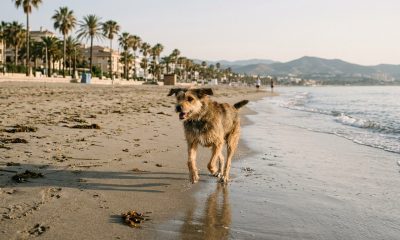
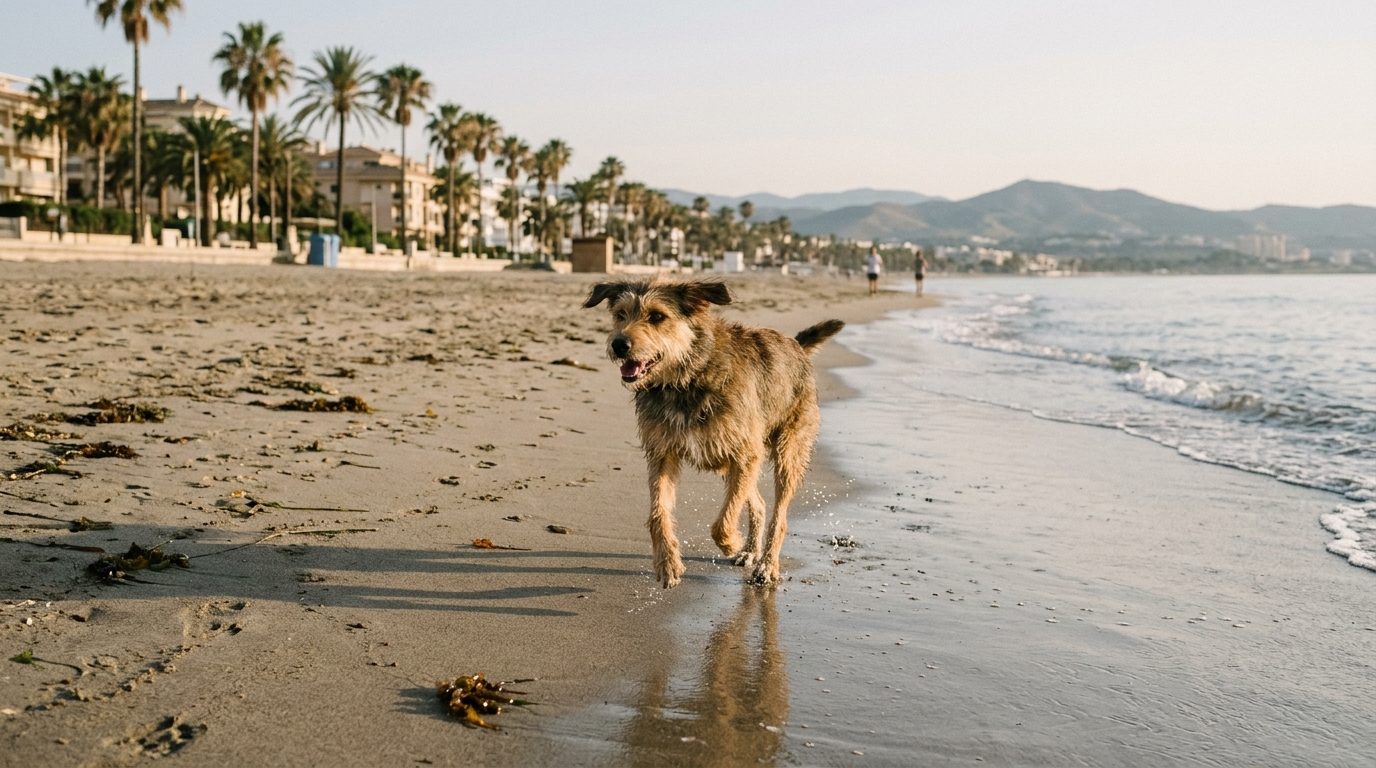
Taking your dog to the beach is one of the joys of living on the Costa del Sol – but on most Spanish beaches dogs are not allowed, at least not in the bathing season. The good news: several towns have designated dog beaches (playas caninas), and outside the summer some local rules are more relaxed. Here is where you can go and what the rules are.
The basic rule: no dogs on normal bathing beaches
Town halls set the beach rules through local bylaws (ordenanzas). On almost every beach in Málaga province, dogs are banned during the bathing season, which usually runs from around June to September, and many towns keep the ban all year. Fines can be issued by the local police. Always check the signs at the beach entrance – they show the local rule.
Dog beaches in Málaga province
These dog beaches were listed as operating in 2026. Rules, opening periods and even locations change from year to year, so check the town hall’s website before you go.
- Málaga / Rincón de la Victoria – Arroyo Totalán, near La Araña, east of Málaga city.
- Vélez-Málaga – dog beach in Torre del Mar.
- Torrox – Torrox dog beach.
- Benalmádena – El Carvajal area. The former Arroyo Hondo dog beach has been closed.
- Fuengirola – next to Sohail Castle.
- Marbella – El Pinillo and Ventura del Mar.
- Casares – Piedra Paloma.
Mijas’ former dog beach has been closed for years, so dog owners in Mijas usually go to Fuengirola or Benalmádena.
Rules on dog beaches
- Your dog must be microchipped, vaccinated and registered – carry the documents or the pet passport.
- Keep the dog under control at all times; some beaches require a lead, and many require a muzzle for dogs over 20 kg or classed as potentially dangerous.
- Pick up after your dog – bags and bins are usually provided.
- Sick, aggressive or female dogs in heat are not allowed.
- Many dog beaches are marked as not suitable for human bathing.
Keeping your dog safe at the beach
- Heat: sand and promenades get very hot in summer. Go early in the morning or in the evening, bring shade and fresh water.
- Salt water: stop your dog drinking sea water and rinse the coat with fresh water afterwards.
- Jellyfish and weever fish: both sting. If your dog yelps after stepping in shallow water or picking something up, rinse with sea water and call a vet.
- Leishmaniasis: sandflies are most active at dusk in the warm months. Ask your vet about a vaccine or a repellent collar.
If your dog causes damage or an accident, third-party liability insurance helps. Providers such as Petplan (ad) offer pet insurance in Spain – see our guide to pet insurance.
Dog-friendly alternatives
- Dog parks (parques caninos) in most towns, often with fenced areas for off-lead play.
- Riverbeds and paths inland, for example in the hills above Mijas, Benalmádena and Marbella.
- Many beach bars (chiringuitos) and terraces welcome well-behaved dogs – ask first.
More pet guides and a list of local shelters: Pets in Spain.
FAQ: dogs on Costa del Sol beaches
Can I take my dog on the beach in winter?
It depends on the town. Some allow dogs outside the bathing season, many ban them all year. Check the sign at the beach entrance or the town hall’s bylaw.
Is there a dog beach in Málaga city?
The nearest is at Arroyo Totalán, on the border between Málaga and Rincón de la Victoria, east of the city.
Do I need a muzzle on a dog beach?
For potentially dangerous breeds, yes. Many dog beaches also require a muzzle for dogs over 20 kg. Follow the rules on the sign.
Disclaimer: Beach rules are set by each town hall and change. This article is general information – check the current rules with the town hall before you go. Links marked “(ad)” are affiliate links – NewInSpain may earn a commission at no extra cost to you.
Tourist Info
The best beaches on the Costa del Sol, from Manilva to Nerja
The best Costa del Sol beaches from west to east: family beaches, dunes, snorkelling coves, train-friendly options and 2026 Blue Flags.
Updated: October 2026
The Costa del Sol stretches along the coast of Málaga province, from Manilva in the west to Nerja in the east. This guide is for newcomers and residents who want to know which beaches are worth the trip, which suit families, and which are quieter. We go from west to east and also explain the Blue Flag awards for 2026.
What to expect from Costa del Sol beaches
Most beaches here have grey or golden sand rather than white, and many are urban beaches with a promenade, beach bars (chiringuitos) and sunbed hire. The water is calmer than on the Atlantic side, but it can be cooler than people expect, especially in the west near the Strait of Gibraltar. East of Málaga the coast becomes rockier, with small coves and clearer water.
Lifeguards, toilets and accessible bathing points are usually in place during the main bathing season. Outside that season, services are reduced. Read our beach and sea safety guide for flags, currents and jellyfish before you swim.
Western Costa del Sol: Manilva to Marbella
- Sabinillas (Manilva): a relaxed town beach with a promenade and a local feel, on the 2026 Blue Flag list.
- El Cristo (Estepona): a small sheltered bay next to the port with calm water, a favourite with families. Estepona also has the long central La Rada beach and quieter dune beaches to the east – see our Estepona guide.
- Nagüeles and El Cable (Marbella): broad beaches close to the Golden Mile and the centre, both Blue Flag in 2026.
- La Fontanilla and El Faro (Marbella): central beaches along the promenade, easy to reach on foot from the old town.
- Cabopino (Marbella): by a small marina east of town, backed by the Artola dunes – one of the more natural-looking beaches on this stretch, with a naturist section.
More on the area in our Marbella guide.
Central Costa del Sol: Mijas to Torremolinos
- La Cala and El Bombo (Mijas): wide beaches in front of the village of La Cala de Mijas, with a long boardwalk connecting the coast. Both are on the 2026 Blue Flag list. See our La Cala de Mijas guide.
- Fuengirola and Castillo (Fuengirola): busy town beaches below the Sohail castle, with everything within walking distance.
- Carvajal (Fuengirola/Benalmádena): a calmer beach on the border between the two towns, popular with families.
- Torrebermeja-Santa Ana and Fuente de la Salud (Benalmádena): smaller beaches near the marina and the coast road.
- La Carihuela (Torremolinos): the old fishing quarter, famous for fried fish and sardine skewers (espetos) in the beach restaurants.
- El Bajondillo and Playamar (Torremolinos): long, lively beaches with plenty of services, close to the train line.
This central stretch is the easiest to reach without a car, because the Cercanías train runs from Málaga through Torremolinos and Benalmádena to Fuengirola. Read more in our guides to Fuengirola and Torremolinos.
Málaga city beaches
Málaga city renewed the Blue Flag in 2026 for seven urban beaches: La Malagueta, La Caleta, Pedregalejo, El Palo, El Dedo, La Misericordia and San Andrés, according to the city council.
- La Malagueta: the city beach a short walk from the centre and the port – convenient rather than quiet.
- Pedregalejo and El Palo: former fishing districts with small sheltered bays, a seafront path and some of the best espeto restaurants in the city.
- La Misericordia: west of the centre, wide and usually less crowded than La Malagueta.
Eastern Costa del Sol: Vélez-Málaga to Nerja
- Torre del Mar (Vélez-Málaga): a long, family-friendly beach with a broad promenade and a strong Spanish holiday atmosphere.
- El Morche and Ferrara (Torrox): relaxed beaches with a village feel, both on the 2026 Blue Flag list.
- Burriana (Nerja): Nerja’s best-known beach, with restaurants along the back and good facilities.
- Torrecilla (Nerja): a town beach close to the centre and the Balcón de Europa viewpoint.
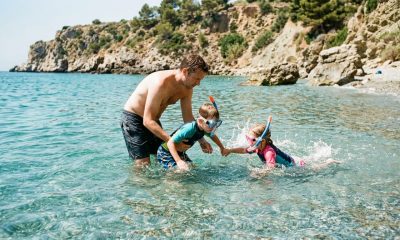
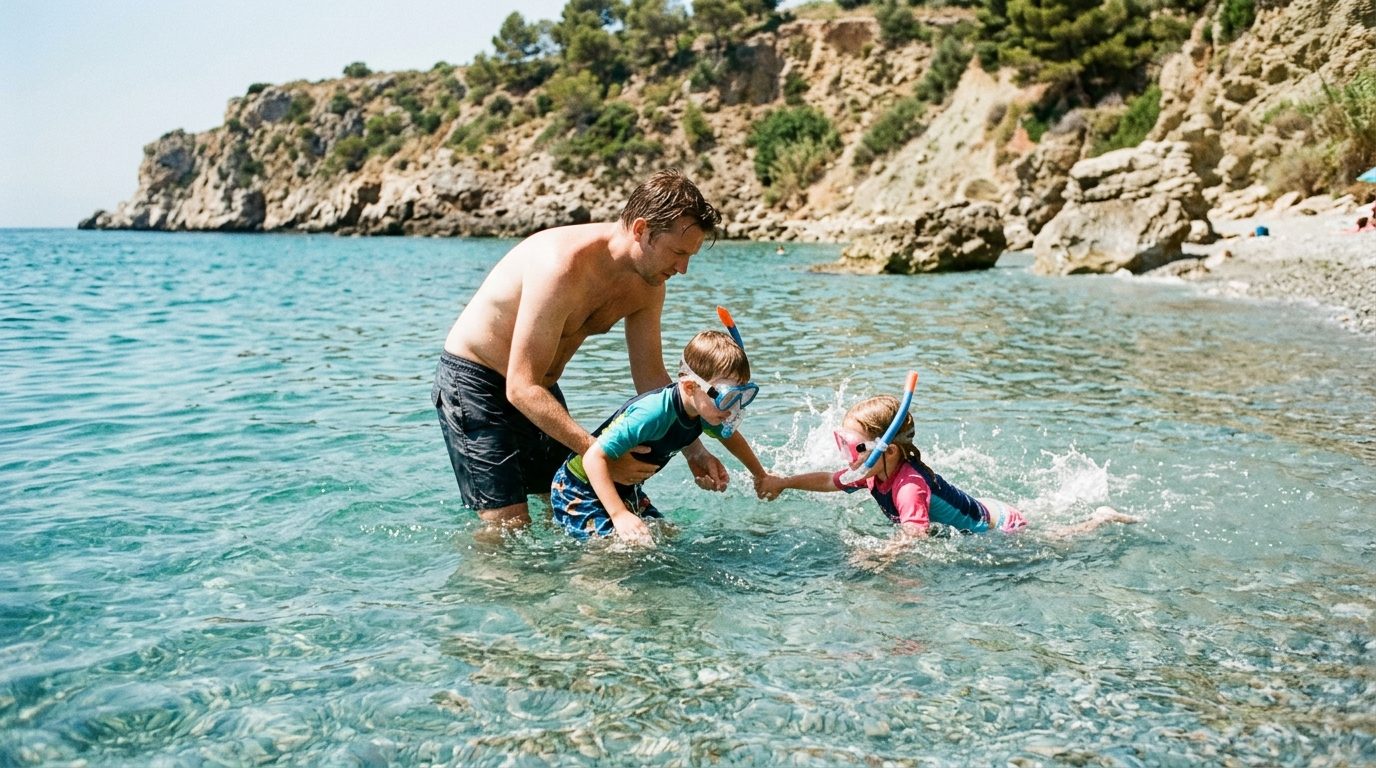
- Maro (Nerja): a small beach below the village of Maro, at the edge of the protected Maro–Cerro Gordo cliffs, with clear water for snorkelling and kayaking. Access is on foot down a steep path.
For life in this part of the province, read our guide to Nerja, Torrox and the Axarquía.
Best beach by what you want
| If you want | Try |
|---|---|
| Calm water for small children | El Cristo (Estepona), Carvajal, Pedregalejo |
| Beach plus easy train access | Torremolinos, Benalmádena, Fuengirola |
| Natural scenery and dunes | Cabopino (Marbella), the dune beaches east of Estepona |
| Snorkelling and clear water | Maro and the coves around Nerja |
| Fish restaurants on the sand | La Carihuela, El Palo, Burriana |
| A city beach after work | La Malagueta, La Misericordia |
About the Blue Flag in 2026
The Blue Flag (Bandera Azul) is an international award for beaches that meet standards on water quality, safety, services and environmental information. In Spain the list is published each spring by ADEAC. According to the 2026 list as reported in May 2026, Málaga province has more than 40 Blue Flag beaches, including those in Málaga city, Marbella, Mijas, Fuengirola, Torremolinos, Benalmádena, Manilva, Torrox, Vélez-Málaga and Nerja.
A beach without a Blue Flag is not automatically worse – some towns choose other quality certificates or do not apply. The award is reviewed every year, so check the current list before you rely on it.
Practical tips
- Go early in July and August: parking near popular beaches fills up by late morning.
- Watch the wind: strong levante (east) or poniente (west) winds can make the sea rough and change the water temperature from one day to the next.
- Respect local rules: many towns have bylaws on dogs, barbecues, camping and smoking on the beach, with fines for breaking them.
- Protect yourself from the heat: the midday sun is strong from May to October – see our heatwave safety guide.
Useful links
- Málaga City Council: Blue Flag 2026 for seven city beaches (Spanish, PDF)
- El Español: Blue Flag beaches in Málaga province 2026 (Spanish)
- Beach and sea safety in Spain
- Benalmádena explained
- East Málaga guide: Nerja, Torrox and the Axarquía
FAQ: Costa del Sol beaches
Which Costa del Sol beach is best for families?
Sheltered beaches with calm water and good services, such as El Cristo in Estepona, Carvajal between Fuengirola and Benalmádena, and Pedregalejo in Málaga, are good choices for small children.
Can I reach the beaches without a car?
Yes, between Málaga and Fuengirola the Cercanías train stops close to many beaches. Further west and east you depend on buses, which are slower.
When is the sea warm enough to swim?
Most people find the water comfortable from around June to October. Temperatures vary from year to year and can drop suddenly when the wind changes.
Where can I check the current Blue Flag list?
The list is published each spring by ADEAC, the Spanish organisation behind the Blue Flag, and town halls usually announce their awards. Check before the summer season, as awards change every year.
Disclaimer: This article is general information only. Beach awards, services and local rules can change – always check with the town hall or the official source before you go.
Tourist Info
Estepona: living in the garden of the Costa del Sol
A newcomer’s guide to Estepona: the flower-filled old town, beaches, areas to live, transport, healthcare and who the town suits.

Updated: October 2026
Estepona sits on the western Costa del Sol, between Marbella and Manilva, and is often called the garden of the Costa del Sol because of its flower-filled old town. This guide is for newcomers thinking of living there or spending a long stay. You will learn what the town is like, which beaches and areas to know, how daily life works and what to check before you move.
Why Estepona is called the garden of the Costa del Sol
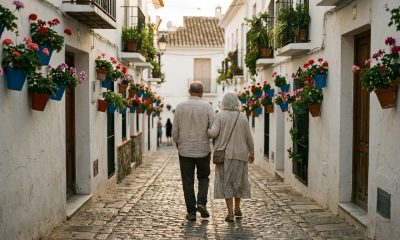
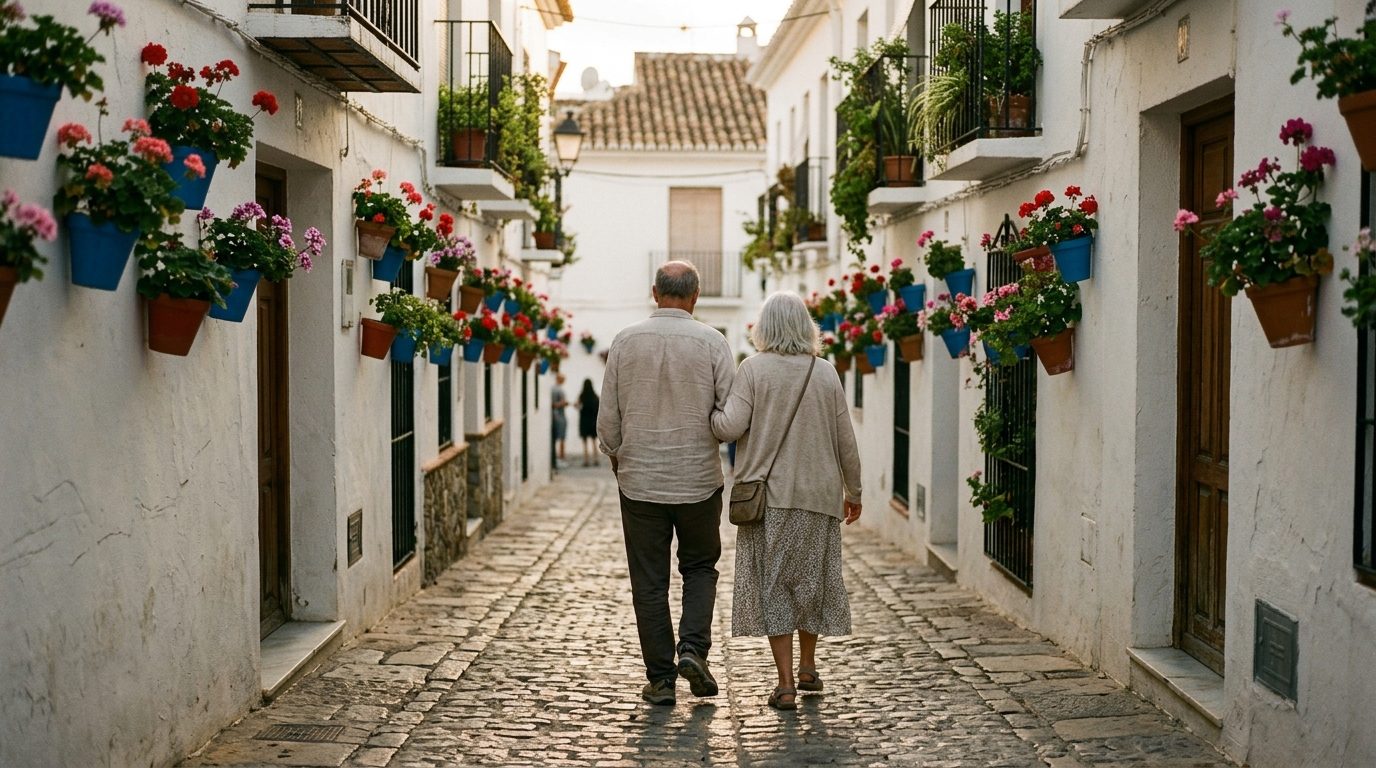
The nickname comes from the casco antiguo, the old town. Its whitewashed streets are lined with thousands of flowerpots hanging on walls and balconies, and the small Plaza de las Flores is the heart of it. The town has invested heavily in planting, street art and pedestrian streets over the last two decades, and it shows.
On top of the flowers, Estepona has three walking routes that make the town feel like an open-air gallery:
- Murals route: more than 40 large wall paintings, many covering whole apartment blocks.
- Sculpture route: more than 30 sculptures by different artists placed around the streets and the seafront.
- Poetry route: poems displayed on walls and tiles across the old town, in several languages.
Close to the centre you also find the Parque Botánico y Orquidario, a botanical park with a large glass orchid house that is a pleasant place to walk on a hot day.
What to see in and around town
Estepona is not a museum town, but it has more history than many visitors expect. Worth knowing:
- Torre del Reloj: the old clock tower, one of the landmarks of the old town.
- Iglesia de los Remedios: an 18th-century church at the edge of the historic centre.
- Castillo de San Luis: the remains of the old castle.
- Casa del Aljibe: home to the town’s archaeological museum.
- Necrópolis Megalítica de Corominas: a prehistoric burial site, a reminder that people lived here long before tourism.
- The port: the Puerto Deportivo has bars and restaurants, and a market with local products and crafts on Sundays.
Inland, the Sierra Bermeja rises steeply behind the town. It is a protected natural area with hiking trails, and from the Pico de los Reales (1,449 m) you can see the western Costa del Sol, the Rock of Gibraltar and, on a clear day, North Africa. Families with children also have the Selwo Aventura animal park in the municipality.
Beaches in Estepona
Estepona has around 21 km of coastline, so you can choose between busy town beaches and quiet stretches with dunes. A few to know:
| Beach | What it is like | Good for |
|---|---|---|
| La Rada | The long central beach (about 2.6 km) along the promenade, with full services | Daily swims, walks, living in town |
| El Cristo | A small sheltered bay by the port with calm, clear water | Families and small children |
| El Padrón | Lively beach west of town with beach bars and restaurants | Weekends and long lunches |
| Guadalmansa and Saladillo | Quieter beaches east of town, Saladillo with dunes and pines | Peace and space |
| Costa Natura | An established naturist beach | Naturists |
Several beaches have adapted access and assisted bathing for people with reduced mobility during the summer season. Before swimming, read up on flags, currents and jellyfish in our beach and sea safety guide.
Areas to live in
Estepona is spread out along the coast, and where you live changes your daily life a lot.
- Old town and centre: walkable, with shops, bars, the market and the beach on your doorstep. Apartments are older and parking can be hard.
- Seafront and port area: newer apartment blocks with sea views and easy access to the promenade.
- East towards Marbella (the “New Golden Mile”): urbanisations, villas and golf, popular with buyers who want space. You will need a car.
- West towards Manilva and Casares: quieter developments, often a little cheaper, with the historic village of Casares a short drive inland.
Prices have risen as more international buyers discover the town, and long-term rentals can be scarce in summer. Read our guide to renting in Spain as a foreigner before you sign anything, and compare with nearby Marbella if you are flexible on location.
Everyday life: transport, health and paperwork
Getting around
There is no train in Estepona – the coastal Cercanías line from Málaga ends in Fuengirola. Most residents drive, using the A-7 or the AP-7 toll motorway. Buses connect Estepona with Marbella, Málaga and Málaga airport, which is roughly an hour away by car depending on traffic. Gibraltar airport is another option for flights to the UK. See our airports guide for transfers.
Healthcare
Estepona has a public hospital, the Hospital de Alta Resolución de Estepona, run by the Andalusian health service, plus public health centres and several private clinics. For more serious cases patients may be referred to larger hospitals on the coast. Our guide to hospitals on the Costa del Sol explains how the system fits together.
First paperwork
- Register on the padrón at the town hall once you have an address – see our padrón guide.
- Sort your residency status and NIE.
- Register with a public health centre or arrange private insurance.
- Open a bank account and set up utilities in your name.
Who Estepona suits
Estepona suits people who want a real Spanish town with a lively centre, good beaches and a slower pace than Marbella. It is popular with families, retirees and remote workers who do not need to be in Málaga every day. Golfers are well served too, with many courses between Estepona and Marbella – see our golf guide.
It is less ideal if you depend on public transport, need a big city job market or want nightlife on the scale of Marbella or Málaga. Summer is busy, while winter is calm and some beach businesses close or reduce hours.
Useful links
- Estepona on Spain.info, the official Spanish tourism portal (Spanish)
- Marbella guide: areas, beaches and everyday life
- Renting in Spain as a foreigner
- How to register on the padrón
- Beach and sea safety in Spain
FAQ: living in Estepona
Why is Estepona called the garden of the Costa del Sol?
Because of the thousands of flowerpots and plants that decorate the whitewashed streets of the old town, together with its parks and the botanical garden with an orchid house.
Can I live in Estepona without a car?
In the old town and along the seafront, yes – shops, the beach and buses are within walking distance. In the urbanisations outside town a car is close to essential, as there is no train and bus routes are limited.
Is Estepona cheaper than Marbella?
In general it has been somewhat cheaper, but prices have risen fast. Compare current listings in both towns for the type of home you want before deciding.
Is there a hospital in Estepona?
Yes. The public Hospital de Alta Resolución de Estepona has an emergency department, and there are public health centres and private clinics in town.
Disclaimer: This article is general information only. Prices, services and opening times can change – always check with the town hall or the official source before you act.




 Ad

✓ Sub-accounts for budgets and taxes
✓ Cards for your teamLearn more →(ad)

Private blood tests and health check-ups in Spain: how they work

Renting a car in Spain: what to check before you sign

Rebajas: when the sales start in Spain and your rights

Andalucía guide: cities, culture and life in southern Spain

Understanding the tax system in Spain

Marbella guide: areas, beaches and everyday life






-
 Tourist Info2 years ago
Andalucía guide: cities, culture and life in southern Spain
-
 Banking & Finances2 years ago
Understanding the tax system in Spain
-
 Tourist Info2 years ago
Marbella guide: areas, beaches and everyday life
-

 Cost of Living2 years ago
Living on a small salary in Spain in 2026
-

 Spanish System2 years ago
How the Spanish government works: state, regions, provinces and town halls
-
 Tourist Info2 years ago
Benalmádena explained: Pueblo, Arroyo de la Miel and the coast
-

 Cost of Living2 years ago
Family living costs in Spain in 2026: monthly budget and moving-in money
-

 Insurance2 years ago
Understanding insurance in Spain: a 2026 guide for expats