





































































Cost of Living
Cutting your food bill in Spain: seasonal produce, meal planning and less waste
Seasonal winter produce, markets, weekly meal plans and Spain’s food waste law: practical ways to spend less on food.




























Choosing the right supermarket is only part of keeping your food bill down in Spain. The bigger savings often come from how you shop and cook: buying what is in season, planning meals for the week and throwing less away. Spain now also has a national law against food waste, which gives you some new rights in restaurants. This guide covers the habits that make the most difference over a Spanish winter.
Buy what is in season
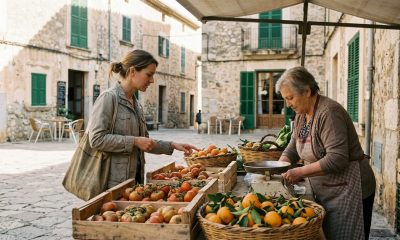
Seasonal fruit and vegetables are usually at their best and cheaper, because they do not travel far or spend months in storage. Spain’s consumer organisation OCU gives the same advice: check what is in season first, rather than buying on looks alone.
In winter, typical Spanish seasonal produce includes:


 Vivid BusinessA business account for freelancers and companies in SpainOpen your account online, with sub-accounts and cards for your team.Learn more →(ad)

 Buying a home in Spain? Simulate your mortgageSee your monthly payment with Banco Sabadell’s mortgage simulator.Try the simulator →(ad)

 A bank account for autónomos in SpainCuenta Clara Autónomos: no commissions, free debit and credit cards, opened online.See the account →(ad)


 A European bank you open from your phonebunq: an EU-licensed bank with debit cards, managed fully in the app. Sign up in about five minutes.Get started →(ad)


 A mobile bank account with no commissionsB100, the mobile bank from Abanca: everyday account and free debit card, all in the app.Get the app →(ad)
 Online pharmacy & parapharmacySkincare, vitamins, baby care and more – delivered in SpainShop now





















- Fruit: oranges, mandarins, lemons, grapefruit, kiwis and avocados. Málaga province is a big avocado-growing area, so local fruit is easy to find on the Costa del Sol.
- Vegetables: chard (acelgas), spinach, cabbage, cauliflower, broccoli, Brussels sprouts, artichokes, leeks, celery, turnips and endives.
The Ministry of Agriculture publishes a calendar showing harvest months by province, and the “Soy de temporada” seasonal calendar is a handy quick check.
Use the market and the mercadillo
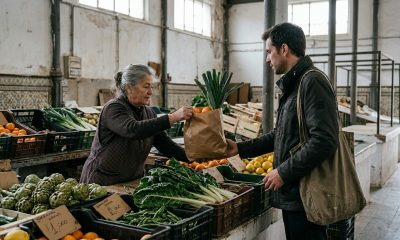
Most towns have a covered municipal market (mercado municipal) and a weekly street market (mercadillo). For fresh produce, fish and meat, they can match or beat supermarket prices, especially for seasonal items.
- Buy the amount you need: stallholders sell loose, so you can buy two leeks or half a kilo of something instead of a pre-packed bag.
- Go late for bargains: near closing time, some stalls lower prices on produce that will not keep. It is never guaranteed, but worth asking.
- Ask for advice: fishmongers and butchers will often suggest cheaper cuts or species and clean or cut them for you.
- Bring cash and bags: card payment is common but not universal at street markets.
For the supermarket side of the shop, including own brands and loyalty apps, see our Spanish supermarkets compared guide.
Plan your meals for the week
A simple weekly plan stops impulse buys and the classic problem of half-used vegetables going off in the fridge.










- Start with what you have: check the fridge and cupboards before writing your list.
- Cook once, eat twice: Spanish winter dishes such as lentejas (lentil stew), cocido or a big pot of vegetable soup are cheap, keep well and taste better the next day.
- Plan for leftovers: roast chicken on Sunday can become croquetas or a rice dish later in the week.
- Use dried pulses and rice: chickpeas, lentils and beans bought loose or in large bags are among the cheapest sources of protein.
On weeks when there is no time to cook, ready-made meals can be cheaper than ordering takeaway every night. Wetaca (ad) is a Spanish service that delivers ready-made meals to your home. Compare the cost per portion with your usual takeaway before deciding.
Throw less away at home
- Know the two dates: “fecha de caducidad” is a use-by date for safety. “Consumir preferentemente antes de” is a best-before date: after it, food may lose quality but is often still fine to eat if stored correctly.
- Store produce correctly: some fruit and vegetables last longer in the fridge drawer, others outside. Eat fruit fairly soon after buying it.
- Use the freezer: bread, cooked stews and portions of fish or meat freeze well. Label them with the date.
- Look for discount stickers: supermarkets often reduce products close to their date with yellow or orange labels.
- Surplus food apps: apps such as Too Good To Go sell “surprise packs” of surplus food from supermarkets, bakeries and restaurants at a lower price, to be collected at set times.
Whatever you do end up throwing away, put it in the right bin. In many towns organic waste now has its own brown bin; see recycling in Spain: which bin is for what.
Your rights under the food waste law
Spain’s Law 1/2025 on preventing food loss and waste (Ley de prevención de las pérdidas y el desperdicio alimentario) was published in the BOE on 2 April 2025. Most of it is aimed at businesses, which must have a waste prevention plan and give priority to donating surplus food. For you as a customer, the most useful part is in restaurants:
- Taking leftovers home: bars and restaurants must let you take home food you have not finished, in a suitable recyclable container. All-you-can-eat buffets are excluded.
- Just ask: establishments should tell customers clearly that this option exists. If you do not see a notice, simply ask for “un táper para llevar, por favor”.
For a wider view of household spending, read our guide to the cost of living in Spain.
FAQ: saving on food in Spain
Is the market always cheaper than the supermarket?
Not always. Markets are often good value for seasonal produce, fish and meat, while supermarkets can be cheaper for packaged basics. Compare prices per kilo for the things you buy most.
Can a restaurant refuse to let me take my leftovers?
Under Law 1/2025, bars and restaurants must allow it, except at all-you-can-eat buffets. If there is a problem, you can ask for the complaints form (hoja de reclamaciones).
Is food past its best-before date safe?
A best-before date is about quality, not safety, so food is often still fine if the packaging is intact and it was stored correctly. Never eat food past its use-by date (fecha de caducidad).
Useful links
- Ministry of Agriculture: the food waste law explained (Spanish, PDF)
- OCU: seasonal fruit and vegetables (Spanish)
Disclaimer: This article is general information, not legal or financial advice. Rules and prices change, so check with the official source before you decide. Links marked “(ad)” are affiliate links – NewInSpain may earn a commission at no extra cost to you.


 A European bank you open from your phoneSign up with bunq in about five minutes.Get started →(ad)







 Ad
 A sea-view escape in MallorcaThe Donna Portals – stay by the sea with views over the Mediterranean.See prices →
Vivid BusinessA business account for freelancers and companies in SpainOpen your account online, with sub-accounts and cards for your team.✓ For autónomos and companies
✓ Sub-accounts for budgets and taxes
✓ Cards for your teamLearn more →(ad)


















Cutting your food bill in Spain: seasonal produce, meal planning and less waste

Buying a new-build or off-plan home in Spain: guarantees and snagging

Life insurance with a Spanish mortgage: is it required?

Andalucía guide: cities, culture and life in southern Spain

How the Spanish government works: state, regions, provinces and town halls

Living on a small salary in Spain in 2026











-

 Tourist Info2 years ago
Andalucía guide: cities, culture and life in southern Spain
-
Spanish System2 years ago
How the Spanish government works: state, regions, provinces and town halls
-
Cost of Living2 years ago
Living on a small salary in Spain in 2026
-
Tourist Info2 years ago
Marbella guide: areas, beaches and everyday life
-
Cost of Living2 years ago
Family living costs in Spain in 2026: monthly budget and moving-in money
-
Banking & Finances2 years ago
Understanding the tax system in Spain
-
Insurance2 years ago
Understanding insurance in Spain: a 2026 guide for expats
-
Tourist Info2 years ago
Benalmádena explained: Pueblo, Arroyo de la Miel and the coast