


























































Cultural
Three Kings in Spain: cabalgatas, gifts and the 6 January holiday
The Reyes days in Spain: enjoying the 5 January parade, the night of the kings, gift receipts and returns, and what 6 January 2027 means.




























In Spain, the Christmas season does not end on 1 January. It ends on 6 January, when the Three Kings (los Reyes Magos) bring children their presents. The evening before, almost every town and city holds a parade, a cabalgata, with floats, music and sweets thrown into the crowd. Our guide to Christmas traditions in Spain covers the whole season. This article zooms in on the Reyes days: how to enjoy the parade, how gift-giving works, and what 6 January means for shops, schools and your plans.
Who are the Three Kings?
The Reyes Magos are the Wise Men from the Bible story who followed a star to Bethlehem: Melchor, Gaspar and Baltasar. In Spain they play the role that Father Christmas plays in many other countries. Children write a letter to the king they like best, listing the presents they hope for and promising that they have been good.
In the weeks before, you will see royal mailboxes in shopping centres and town halls, and “royal pages” (pajes reales) who collect letters from children. Many families today give some presents on 25 December and the main ones on 6 January, but the Reyes are still the big day for most Spanish children.


 Vivid BusinessA business account for freelancers and companies in SpainOpen your account online, with sub-accounts and cards for your team.Learn more →(ad)

 Buying a home in Spain? Simulate your mortgageSee your monthly payment with Banco Sabadell’s mortgage simulator.Try the simulator →(ad)

 A bank account for autónomos in SpainCuenta Clara Autónomos: no commissions, free debit and credit cards, opened online.See the account →(ad)


 A European bank you open from your phonebunq: an EU-licensed bank with debit cards, managed fully in the app. Sign up in about five minutes.Get started →(ad)


 A mobile bank account with no commissionsB100, the mobile bank from Abanca: everyday account and free debit card, all in the app.Get the app →(ad)
 Online pharmacy & parapharmacySkincare, vitamins, baby care and more – delivered in SpainShop now






















Key dates for Reyes 2027
- Tuesday 5 January 2027: the evening of the parades. It is a normal working day, but many people leave work early.
- Wednesday 6 January 2027: Epiphany (Día de Reyes). It is on the official 2027 list of public holidays in Andalucía, published by the Junta de Andalucía, and it is a holiday in most of Spain.
- School: children are still on their Christmas break on 6 January. The exact return date depends on the region and the school, so check your school’s calendar. Our guide to the Spanish school year 2026/27 explains how the calendar works.
The cabalgata: how to enjoy the parade
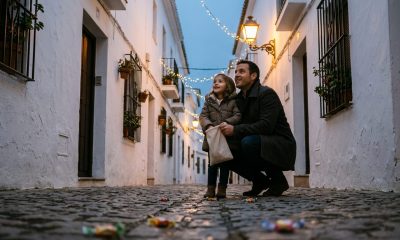
The cabalgata is the highlight for children. The three kings ride on large floats, with themed floats, marching bands and dancers between them. Riders throw sweets (caramelos) to the crowd, and children hold up bags or upturned umbrellas to catch them.
In Málaga city, the parade on 5 January 2026 started at 18:00 and ran through the centre, including the Alameda Principal, before ending at the city hall, according to the Ayuntamiento de Málaga. The city closed several central streets from the afternoon, added extra EMT bus capacity and asked people to leave the car at home. Protección Civil volunteers handed out wristbands with a QR code so that lost children could be reunited with their families quickly. The 2027 route and times are usually announced by the city hall in the days before the parade.
Weather can change the plan. In January 2025, Málaga moved its parade from the afternoon to the morning because rain was forecast. Smaller towns along the coast, such as Fuengirola, Marbella, Nerja or Rincón de la Victoria, hold their own cabalgatas, often with a more relaxed atmosphere.
- Arrive early: the best spots along the route fill up well before the start.
- Bring a bag: a cloth bag or an umbrella for catching sweets. Watch small children near the floats, as sweets land on the road.
- Use public transport: central streets close and parking is hard to find.
- Agree a meeting point: tell older children where to go if you get separated, and accept a wristband if one is offered.
- Check your town hall’s website or social media: this is where routes, times and last-minute changes are posted.
The night of 5 January at home
After the parade, children go to bed early so the kings can come. Before bed they leave their shoes by the door, under the tree or on the balcony, so the kings know where to put the presents. Many families also leave a snack for the kings, often a glass of something and some sweets, and water for the camels.










Children who have not been good are told they will get coal (carbón). In practice this is carbón dulce, a black sugar sweet that looks like coal and is sold in sweet shops and supermarkets around Christmas. It is usually given as a joke, alongside real presents.
On the morning of 6 January, children open their presents, and many families meet for lunch. The day ends with the roscón de Reyes, a ring-shaped sweet bread with a small figure and a dried bean hidden inside.
Gifts: what to give and how to plan
If you have children in a Spanish school, they will talk about the Reyes, so it helps to decide early whether your family will celebrate on 25 December, 6 January or both. Many international families split it: a small gift at Christmas and the main one from the kings.
- Order early: online shops are busy in late December, and delivery on 5 January is not guaranteed. Check each shop’s delivery dates before you order.
- Personal touches: name-printed items are popular for children and grandparents. Shops such as Ohana Details (ad) sell personalised gifts and details online. Allow extra time, as personalised items are made to order.
- Gifts for adults: in many families adults also exchange small presents on 6 January, and some offices and friend groups do an amigo invisible (secret Santa) around Christmas or Reyes.
Gift receipts, returns and the January sales
Ask for a gift receipt (ticket regalo) when you buy in a shop. According to Consumo Responde, the consumer service of the Junta de Andalucía, gift receipts and vouchers for exchanges cannot have an expiry date. But a physical shop is not obliged to take back an item that is in perfect condition. That depends on the shop’s own returns policy, so check it before you buy. Faulty items are a different matter: then the legal guarantee applies.
For purchases made online or by phone, you normally have 14 calendar days from delivery to withdraw from the purchase without giving a reason, with some legal exceptions. The winter sales traditionally start straight after Reyes. Our guide to the rebajas and your rights explains what shops must respect during the sales.
What is open on 6 January?
As on other public holidays, most offices and many shops are closed on 6 January. Bars and restaurants are generally open, and bakeries and cake shops are busy, as many families buy their roscón that day or the day before. Public transport usually runs a holiday timetable. If you need a pharmacy, look for the farmacia de guardia (duty pharmacy) in your area.
FAQ: Three Kings in Spain
Is 6 January a public holiday in 2027?
Yes. Epiphany on Wednesday 6 January 2027 is on the official list of public holidays for Andalucía, and it is a holiday in most of Spain. 5 January is a normal working day.
What time is the cabalgata in Málaga?
In 2026 it started at 18:00 on 5 January. The city hall announces the route and times for 2027 shortly before the parade, and it can change them if bad weather is forecast.
Do Spanish children get presents on Christmas Day too?
Many do. Traditionally the main presents come from the Three Kings on 6 January, but today lots of families give gifts on both days.
Can I return a gift bought in a Spanish shop?
Only if the item is faulty or the shop’s own policy allows returns. Ask for a gift receipt and check the policy. Online purchases normally come with a 14-day right of withdrawal.
Useful links
- Public holidays in Andalucía in 2027 (BOJA, Spanish)
- Ayuntamiento de Málaga: news on the cabalgata and road closures
- Consumo Responde: gift receipts, exchanges and returns (Spanish)
Disclaimer: This article is general information, not legal or financial advice. Rules and prices change, so check with the official source before you decide. Links marked “(ad)” are affiliate links – NewInSpain may earn a commission at no extra cost to you.

✓ Sub-accounts for budgets and taxes
✓ Cards for your teamLearn more →(ad)

 A European bank you open from your phoneSign up with bunq in about five minutes.Get started →(ad)





 Ad
 A sea-view escape in MallorcaThe Donna Portals – stay by the sea with views over the Mediterranean.See prices →


















Millie’s column: why your dog needs off-lead space and how to find a dog park

Three Kings in Spain: cabalgatas, gifts and the 6 January holiday

Audiobooks and podcasts to learn Spanish on the go

Andalucía guide: cities, culture and life in southern Spain

How the Spanish government works: state, regions, provinces and town halls

Living on a small salary in Spain in 2026








-

 Tourist Info2 years ago
Andalucía guide: cities, culture and life in southern Spain
-
Spanish System2 years ago
How the Spanish government works: state, regions, provinces and town halls
-
Cost of Living2 years ago
Living on a small salary in Spain in 2026
-
Tourist Info2 years ago
Marbella guide: areas, beaches and everyday life
-
Cost of Living2 years ago
Family living costs in Spain in 2026: monthly budget and moving-in money
-
Insurance2 years ago
Understanding insurance in Spain: a 2026 guide for expats
-
Banking & Finances2 years ago
Understanding the tax system in Spain
-
Tourist Info2 years ago
Benalmádena explained: Pueblo, Arroyo de la Miel and the coast