

























































Healthcare
Skin care in a Spanish winter: wind, sun and dry heating
Why skin gets dry in a Spanish winter, from heaters to the terral wind, and simple steps to protect face, hands and lips.




























Many newcomers are surprised that their skin feels worse in a Spanish winter than in a grey northern one. The days are still sunny, but nights are cool, many homes rely on heaters and air conditioning units, and on the Costa del Sol a dry wind can blow down from the mountains. The result is often tight, flaky skin, chapped lips and cracked hands. Here is what helps, based on advice from Spanish dermatologists.
Why skin gets dry in a Spanish winter
- Dry indoor air: running heating for many hours lowers the humidity indoors. Signs include dry skin, irritated eyes and throat, and static electricity.
- Big temperature swings: going from a cold street into a warm room, and back again, is hard on skin.
- The terral: in Málaga, the terral is a dry wind that reaches the coast from the north after crossing the mountains. It is best known for summer heat, but it also blows in winter, when it is cooler and still very dry.
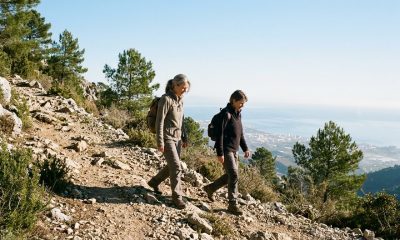
- Winter sun: sunny winter days still mean UV exposure, especially if you walk, hike or play sport outdoors.
Get the indoor climate right
Your skin is affected by the air around you for many hours a day, so this is a good place to start. Small changes at home often help more than an expensive new cream, and several of them also save energy.
- Don’t overheat: very high temperatures dry the air further. Consumer and energy guides suggest around 19–21 °C at home, which is also kinder to your electricity bill.
- Watch the humidity: an indoor relative humidity of roughly 40–60% is generally recommended. A cheap hygrometer shows you where you are.
- Add moisture if needed: a humidifier in the bedroom or living room is the most effective option. A bowl of water near a radiator or a few plants help a little.
- Ventilate briefly: airing rooms for a few minutes a day, ideally in the mildest part of the day, helps without losing too much heat.
Many Spanish homes have damp problems rather than dry air, so check before you add moisture. Our guide to heating your home in a Spanish winter covers heaters, damp and running costs.


 Vivid BusinessA business account for freelancers and companies in SpainOpen your account online, with sub-accounts and cards for your team.Learn more →(ad)

 Buying a home in Spain? Simulate your mortgageSee your monthly payment with Banco Sabadell’s mortgage simulator.Try the simulator →(ad)

 A bank account for autónomos in SpainCuenta Clara Autónomos: no commissions, free debit and credit cards, opened online.See the account →(ad)


 A European bank you open from your phonebunq: an EU-licensed bank with debit cards, managed fully in the app. Sign up in about five minutes.Get started →(ad)


 A mobile bank account with no commissionsB100, the mobile bank from Abanca: everyday account and free debit card, all in the app.Get the app →(ad)
 Online pharmacy & parapharmacySkincare, vitamins, baby care and more – delivered in SpainShop now





















A simple daily routine
- Shorter, warm showers: dermatologists advise lukewarm rather than very hot water, short showers, and mild, unperfumed products.
- Moisturise twice a day: use a richer cream in winter than in summer, applied after washing. Emollient creams with ingredients such as urea or lanolin are often recommended for dry skin.
- Be gentle: avoid harsh scrubs and alcohol-based products on dry or irritated skin. Sensitive skin often does better with calming ingredients such as dexpanthenol.
- Drink and eat well: drink enough water, and include healthy fats such as olive oil, nuts and avocado, plus plenty of fruit and vegetables.
Spanish pharmacies and parapharmacies carry a wide range of dermatological creams, and pharmacists are used to advising on dry skin. You can also order online, for example from Farmaciamarket (ad), an online parapharmacy, or Spanish skincare brand Smuutiskin (ad). Read more about how pharmacies in Spain work.
Hands, lips and face outdoors
- Hands: avoid washing them more than you need to, use a barrier or hand cream afterwards, and wear gloves on cold, windy days.
- Lips: keep them moisturised and use a lip balm with UV protection when you are outside.
- Face: use daily sun protection even in winter, and sunglasses on bright days.
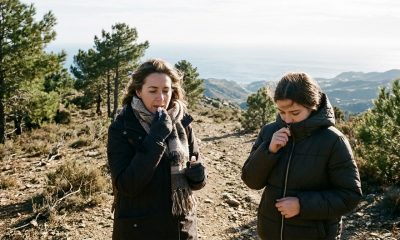
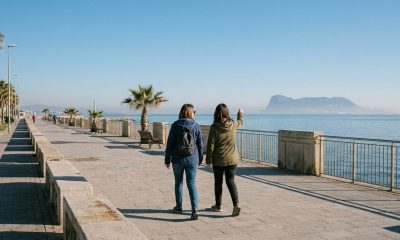
- Dress for the wind: a scarf or buff protects your face and neck on windy walks along the seafront or in the hills.
For the UV index, choosing sunscreen and skin checks, see our guide to sun protection in Spain all year.
When to see a doctor
Ordinary winter dryness often improves with these steps. See your GP (médico de cabecera) at your health centre if:
- itching keeps you awake or the skin cracks and bleeds,
- you see red, weeping or infected-looking patches,
- you have eczema or psoriasis that is flaring up,
- a mole or spot changes shape, colour or size.
In the public system, your GP can refer you to a dermatologist if needed.










FAQ: winter skin care in Spain
Do I really need sunscreen in a Spanish winter?
Dermatologists recommend daily sun protection all year, especially on your face and if you spend time outdoors. On sunny winter days in southern Spain the UV index can still be relevant, so check the forecast.
Is a humidifier worth it?
If your home feels dry and a hygrometer shows humidity below about 40%, a humidifier in the bedroom can make a real difference. In damp homes it can make mould worse, so measure first.
Can a Spanish pharmacist recommend a cream?
Yes. Pharmacists can suggest creams for dry skin and tell you when a problem needs a doctor. Bring the name of products you used at home so they can suggest a similar one.
Does heating with an air conditioning unit dry the air too?
Running any heating for many hours tends to lower indoor humidity, and split air conditioning units in heat mode are the main heating in many Costa del Sol homes. Keep the temperature moderate, air the room briefly each day and check the humidity with a hygrometer.
Useful links
- Consumer (Eroski): keeping skin hydrated in winter (Spanish)
- AEMET: UV index forecast (Spanish)
Disclaimer: This article is general information, not legal or financial advice. Rules and prices change, so check with the official source before you decide. Links marked “(ad)” are affiliate links – NewInSpain may earn a commission at no extra cost to you.


 A European bank you open from your phoneSign up with bunq in about five minutes.Get started →(ad)








 Ad
 A sea-view escape in MallorcaThe Donna Portals – stay by the sea with views over the Mediterranean.See prices →
Vivid BusinessA business account for freelancers and companies in SpainOpen your account online, with sub-accounts and cards for your team.✓ For autónomos and companies
✓ Sub-accounts for budgets and taxes
✓ Cards for your teamLearn more →(ad)


















Skin care in a Spanish winter: wind, sun and dry heating

Cutting your food bill in Spain: seasonal produce, meal planning and less waste

Buying a new-build or off-plan home in Spain: guarantees and snagging

Andalucía guide: cities, culture and life in southern Spain

How the Spanish government works: state, regions, provinces and town halls

Living on a small salary in Spain in 2026











-

 Tourist Info2 years ago
Andalucía guide: cities, culture and life in southern Spain
-
Spanish System2 years ago
How the Spanish government works: state, regions, provinces and town halls
-
Cost of Living2 years ago
Living on a small salary in Spain in 2026
-
Tourist Info2 years ago
Marbella guide: areas, beaches and everyday life
-
Cost of Living2 years ago
Family living costs in Spain in 2026: monthly budget and moving-in money
-
Banking & Finances2 years ago
Understanding the tax system in Spain
-
Insurance2 years ago
Understanding insurance in Spain: a 2026 guide for expats
-
Tourist Info2 years ago
Benalmádena explained: Pueblo, Arroyo de la Miel and the coast